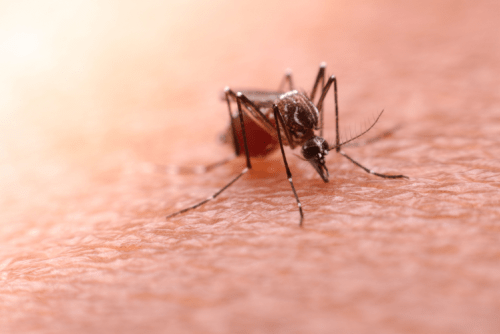
That’s bad news for anyone who passes through the woody, grassy areas ticks call home. But that’s only a problem for hikers, right?
Not anymore.
As deforestation continues and climate change worsens, the animals that carry ticks are showing up in more places, including city parks and neighborhood greenways. So, whether you live downtown or down a gravel road, you’re in tick territory now.
Two ticks cause most of the trouble in the U.S.: black-legged ticks and lone star ticks. Here’s how to tell them apart and why each one matters.
Black-legged ticks (often called deer ticks) are small, flat and dark with black legs — easy to miss unless you’re looking. They’re the main carriers of Lyme disease in the eastern and midwestern U.S. And trust us, you don’t want Lyme disease. Left untreated, it can cause chronic pain, lasting fatigue and cognitive and neurological issues.
Black-legged ticks have flat, teardrop-shaped bodies and black legs.
In the South, especially in places like Florida, the lone star tick gets more attention. Females have a distinct white dot on their back. This tick is linked to alpha-gal syndrome, a condition that can trigger allergic reactions to red meat and dairy after a bite. And these ticks aren’t just a rural problem; they can show up in suburbs and even urban-edge environments.
Lone star ticks are identifiable by the white dot on the female’s reddish-brown back.
How Do You Avoid Tick Bites?
The surest way to avoid tick bites is to stay out of the places ticks live. But what if you go camping, take your dog to the park or do some yard work? What if you just want to “touch grass,” like everyone on the internet keeps telling you to?
You can’t stay inside forever, so take extra care in:
Wooded, shady and humid areas
Tall grass and overgrown fields
Brushy edges where lawns meet woods
Trails covered in leaf litter
Urban parks and green spaces with wildlife
Yes, even city parks. Birds, mice and deer move ticks around more than most people realize.
When Are Ticks Most Active?
Ticks are most active from April through September, though they can bite any time it’s above freezing. With climate change resulting in shorter winters, it’s worth being cautious as early as March.
Early summer is especially risky because of nymphs: immature ticks that are tiny and harder to spot but fully capable of spreading disease.
What Should You Wear to Prevent Tick Bites?
You don’t need a hazmat suit. When venturing into tick territory, wear clothing that makes it harder for ticks to reach your skin:
Long sleeves and long pants
Pants tucked into socks
Light-colored clothing (so ticks stand out)
Practical beats fashionable when it comes to tick prevention.
For extra protection, add repellent:
DEET or picaridin on your skin
Permethrin on your clothing (never directly on your skin)
And when you get home? Shower as soon as you can. It helps wash off ticks that hitched a ride but haven’t latched on yet.
How Do You Check for and Remove Ticks?
Do a tick check every time you come in from tick territory, and remove any tick you find right away.
How to Perform a Tick Check
This is where things get a little personal. Ticks love warm, hidden spots. Check your:
Armpits
Backs of the knees
Groin
Belly button
Scalp and behind the ears
Get someone to help you check the places you can’t see yourself; this isn’t a time to be shy.
How to Safely Remove a Tick
Found one? Don’t panic. Just act quickly. The sooner you remove a tick, the lower your chance of getting sick.
Using fine-tipped tweezers:
Grab the tick as close to the skin as you can.
Pull straight up with steady pressure.
Don’t twist or crush the tick.
After removal, clean the area with soap and water or rubbing alcohol, then wash your hands thoroughly. Don’t forget to do a full-body check for others.
When Should You See a Doctor After a Tick Bite?
Not every tick bite leads to illness, but don’t ignore symptoms. Watch for:
A rash (sometimes, but not always, a bull’s-eye shape with Lyme)
Fever or chills
Fatigue
Muscle or joint aches
If something feels off, don’t wait. Tell your medical provider you’ve had a tick bite. Early treatment is usually straightforward and effective.
The Bigger Picture
Ticks aren’t villains; they’re part of the ecosystem. They feed birds, reptiles and amphibians and help keep wildlife populations in balance. Most ticks are harmless.
The issue isn’t that ticks exist, it’s that our paths are crossing more often. Untangling this mess takes someone with expertise and more than a passing interest in these fascinating creatures.
Learn How Insects Shape Our World
Want to see the big picture? The University of Florida offers online entomology programs, including a medical entomology specialization that examines the true impact ticks and other insects have on society. Entirely online, our graduate programs allow you to study for the career you want without having to leave the one you have.
Interested? Visit our Programs page and see if our offerings fit your graduate goals. No pressure, just the information you need.
Ticks are tiny. The problems they cause? Not so much. These tiny arachnids — about the size of an apple seed — spread more vector-borne diseases than almost any other insect. Lyme disease alone is diagnosed and treated in roughly 476,000 Americans each year, according to the U.S. Centers for Disease Control and Prevention (CDC). And recently, emergency room…
A squirming larva that screws itself deeper into living flesh as it feeds? Yeah, a screwworm sound like something a horror writer invented after a very bad camping trip. Unfortunately, they’re real. Even more unfortunately, they’re flies. The New World Screwworm (NWS) is a parasitic fly whose larvae (maggots) can infest wounds and feed on…
Traveling exposes you to a lot of new experiences, like stumbling upon the best street food you’ve ever had. That’s part of what makes it worthwhile. But some surprises are worth getting ahead of, and vector-borne diseases are at the top of that list. Sure, you can’t avoid bugs entirely, but you can make yourself a much harder target. That takes preparation and a…
Traveling exposes you to a lot of new experiences, like stumbling upon the best street food you’ve ever had. That’s part of what makes it worthwhile. But some surprises are worth getting ahead of, and vector-borne diseases are at the top of that list.
Sure, you can’t avoid bugs entirely, but you can make yourself a much harder target. That takes preparation and a few consistent habits — nothing that should slow down your plans to track down the best street tacos in Mexico City.
Vector-borne diseases are infections that reach humans through the bites of infected insects or animals. Mosquitoes get most of the limelight, but ticks, fleas and sand flies can carry disease, too.
Some of the more common vector-borne diseases travelers encounter are:
Malaria
Dengue
Zika
West Nile virus
Lyme disease
Chikungunya
Yellow fever
The good news? Not every disease exists in every part of the world. Where you’re headed determines what you actually need to watch out for.
Why This Actually Matters for Travelers
It only takes one insect bite to ruin your trip … and potentially put your life at risk. We’re not trying to sound dramatic, but if you’re one of the unlucky ones, you could be looking at weeks of recovery, hospitalization or complications that follow you long after you’ve unpacked.
In certain regions, like sub-Saharan Africa and Southeast Asia, local populations have built up some exposure to vector-borne diseases over time, but travelers often don’t arrive with the same immunity. And because symptoms can take days or weeks to appear, plenty of people get home before they even realize they’re sick, which makes diagnosis harder.
Think of disease preparedness the same way you’d think about sunscreen or food safety: not something to obsess over, but definitely something to handle before it becomes a problem.
5 Ways to Prevent Vector-Borne Diseases While Traveling
Most vector-borne disease prevention comes down to habits, not luck. Protect your skin, do your research and don’t ignore symptoms after you land back home. The five steps below cover most of what you need.
#1 Research Health Risks Before You Travel
One of the most important things you can do before you travel is look up the specific health risks where you’re going. Before your trip, find out:
Which insects are most active in that region and when
Whether malaria, dengue or tick-borne illness is a concern there
If any vaccines or preventive medications are recommended
Whether your accommodation has screens, air conditioning or mosquito nets
For instance, a beach trip in Southeast Asia calls for different preparation than a forest hike in the northeastern U.S. Where you’re headed will shape your insect-avoidance strategy.
Prescribe preventive medications such as antimalarials
Ensure your routine vaccinations are up to date
Try to schedule that appointment at least four to six weeks before your trip, as some vaccines require multiple doses or take additional time to become effective.
#2 Take Mosquito Prevention Seriously
Mosquitoes are responsible for more vector-borne illnesses than any other insect, so it pays to focus your efforts here.
Apply insect repellent consistently. The CDC recommends products containing DEET, picaridin, IR3535 or oil of lemon eucalyptus. Reapply according to label instructions, especially after swimming or sweating.
Cover up when you’re outside in high-risk areas: long sleeves, long pants, closed-toe shoes. And light-colored clothing makes it easier to spot insects before they land.
You can also treat your clothing, shoes and gear with permethrin, an insecticide that kills or repels insects on contact and holds up through multiple washes. Pre-treated clothing is widely available, or you can treat your own.
If you’re staying somewhere without reliable screens or AC — think open-air guesthouses in rural Southeast Asia or jungle lodges in Central America — a bed net is worth every penny. They look a little dramatic in the movies, but when you’re trying to sleep through the night without the buzzing and the bites, dramatic starts to feel pretty reasonable.
#3 Avoid High-Risk Spots and Peak Mosquito Hours
Standing water is where mosquitoes breed, so be aware of ponds, puddles and uncovered containers. That means the flowerpot outside your Airbnb, the cooler on the patio or that tarp that’s been collecting rain.
On hikes or in wooded areas, stick to cleared paths and avoid brushing through tall vegetation, since that’s where ticks tend to wait.
Timing helps too. Mosquitoes that carry malaria and other diseases are often most active at dawn and dusk, so planning outdoor activities around those windows reduces your exposure without much sacrifice. If you can’t avoid being outside during peak hours, make sure you’re covered and protected.
#4 Check for Ticks and Bites After Time Outside
Whether you’re hiking, camping or just taking a long walk through a grassy area, take a few minutes to look yourself over afterward. Check your arms, legs, ankles, scalp and behind your knees. Go through your clothing and bag, too.
For ticks in particular, early removal matters. The sooner you find one, the lower your risk of infection. Showering after outdoor time is a simple habit worth building in. It helps you spot bites and removes insects you might have missed.
#5 Don’t Ignore Symptoms After You Get Home
Fever, rash, fatigue, muscle aches or anything flu-like after travel deserves attention. This is especially true if you were in an area known for vector-borne illness or you remember getting bitten.
When you see a doctor, mention where you traveled and when. That context can make the difference between a fast, accurate diagnosis and a long, confusing process. Providers can’t always connect the dots without it.
Take Your Interest in Entomology Further
Avoiding bites is one thing. Understanding the science behind why certain insects carry certain diseases, and why some parts of the world are hit harder than others, is another. If you’re drawn to that bigger picture, there’s an ideal place for your curiosity to take hold.
The University of Florida offers entirely online graduate programs in entomology, built for people who want to move from awareness to expertise. You’ll dig into the science behind insects, disease transmission and pest management through flexible coursework designed around your life.
Whether you’re in public health, environmental services or just someone who wants to understand how it all connects, UF’s programs give you the tools to make a real difference in the field.
Ticks are tiny. The problems they cause? Not so much. These tiny arachnids — about the size of an apple seed — spread more vector-borne diseases than almost any other insect. Lyme disease alone is diagnosed and treated in roughly 476,000 Americans each year, according to the U.S. Centers for Disease Control and Prevention (CDC). And recently, emergency room…
A squirming larva that screws itself deeper into living flesh as it feeds? Yeah, a screwworm sound like something a horror writer invented after a very bad camping trip. Unfortunately, they’re real. Even more unfortunately, they’re flies. The New World Screwworm (NWS) is a parasitic fly whose larvae (maggots) can infest wounds and feed on…
Traveling exposes you to a lot of new experiences, like stumbling upon the best street food you’ve ever had. That’s part of what makes it worthwhile. But some surprises are worth getting ahead of, and vector-borne diseases are at the top of that list. Sure, you can’t avoid bugs entirely, but you can make yourself a much harder target. That takes preparation and a…
What if the insects we’ve been trying to kill could actually save our lives?
Mosquitoes, ticks and fleas spread diseases to hundreds of millions of people worldwide each year. But scientists are turning some of these pests into lifesaving tools, using them to detect cancer, stop disease transmission and improve human health in ways that might surprise you.
In this article, we’ll explore the role of insects in medicine and other ways they can help us fight disease. We’ll also introduce medical entomology: the study of how insects transmit disease to humans and animals. If you’re fascinated by insects and want to make a real impact on public health, medical entomology can provide some unique opportunities.
Social Insects Are Disease Control Experts
Ants, termites and bees are surprisingly good at public health management. They live in tight quarters, yet they’re constantly keeping disease in check. And they offer real-world insight that can inform the use of insects in medicine research.
Take, for example, how ants prevent disease in their colonies:
Grooming
Ants clean each other constantly. That small exposure to germs can act like a natural vaccine, helping the colony build immunity. Food sharing can also have the same collective immunization effect.
Social Distancing
Ants seem to know instinctively that sick and healthy colony members should stay apart. They practice social distancing by:
Are you the friend that’s always carrying a bottle of hand sanitizer? If so, you’ve got more in common with ants than you think.
Ants secrete antimicrobial compounds from their metapleural glands (MGs): a fascinating feature.But what’s even more interesting is that when researchers exposed ants to fungal spores, the ants ramped up their MG secretions, meaning they actually control this defense mechanism.
Frequent cleaning? Social distancing? Antimicrobial use? These sound a lot like best practices from the COVID-19 pandemic … but insects were doing them first. Who knows what other disease prevention lessons we can learn from the insect world?
Bees Can Smell Disease
Yes, bees can smell fear — or at least the pheromones we release when we experience it. But that’s not the only thing they can detect.
Researchers attached electrodes to the odor-processing area of the bees’ brains. They then sprayed aerosolized mixtures simulating the breath of a healthy subject and a lung cancer patient on the bees’ antennae. The bees could tell the difference more than 90% of the time.
Not only that, they could distinguish between types of lung cancer: non-small cell versus the more aggressive small cell variety.
But bees have been providing benefits beyond pollination for years. They can also detect high acetone levels linked to diabetes. Bees’ sense of smell could be a valuable diagnostic tool in medicine.
Edible Insects Provide Nutritional Benefits
Insects are plentiful, high in protein and other nutrients, and appetizing. (Okay, there may be some differences of opinion on that last one.)
Bioactive compounds like antioxidants, anti-inflammatories and antimicrobials that protect against diseases like cancer and heart conditions
Omega-3 and Omega-6 fatty acids, which support heart health
A prebiotic that promotes beneficial gut microbes like Lactobacillus and Bifidobacterium, improving digestive health
Insect-based diets also have a much smaller environmental footprint and could help reduce food insecurity. Around the world, some cultures already eat:
Crickets, grasshoppers and locusts
Beetles
Mealworms
Caterpillars
Cicadas
Termites
Laboratory-Modified Insects Will Bite, But Won’t Make You Sick
When a mosquito sticks its mouthparts into our skin to feed, it can leave behind a variety of nasty diseases. But what if it wasn’t carrying that disease in the first place?
One research team infected female mosquitoes — the ones that bite — with Wolbachia bacteria, preventing them from carrying the dengue virus. Scientists are now working to spread this disease-preventing bacteria to larger mosquito populations.
The same approach is being tested on sandflies to combat leishmaniasis, a disease that:
Can be fatal if not treated promptly
Comes from Leishmania parasites transmitted in sandfly bites
Researchers are altering the sandfly’s gut microbiome so the parasite can’t grow within it. No Leishmania, no disease.
Both pests will still live up to their reputation as bloodsuckers, but their potential as disease vectors can be greatly reduced.
Parasitic wasps lay their eggs inside a variety of insects. Later, the wasp larvae eat the host insect from inside.
If you’re intrigued by these insect discoveries, medical entomology credentials may be your next step.
Advance Human Health With UF’s Online Entomology Program
Insects have the potential to be much more than pests. They can be tools, teachers and even allies.
Understanding how insects function helps us improve human and animal health, both by managing disease-causing insect populations and recognizing the ways some insects benefit human communities.
Sound like something you want to be part of? UF’s online master’s degree in medical entomology is what you’re looking for. It’s your chance to lead the next wave of discovery with insects in medicine.
Ticks are tiny. The problems they cause? Not so much. These tiny arachnids — about the size of an apple seed — spread more vector-borne diseases than almost any other insect. Lyme disease alone is diagnosed and treated in roughly 476,000 Americans each year, according to the U.S. Centers for Disease Control and Prevention (CDC). And recently, emergency room…
A squirming larva that screws itself deeper into living flesh as it feeds? Yeah, a screwworm sound like something a horror writer invented after a very bad camping trip. Unfortunately, they’re real. Even more unfortunately, they’re flies. The New World Screwworm (NWS) is a parasitic fly whose larvae (maggots) can infest wounds and feed on…
Traveling exposes you to a lot of new experiences, like stumbling upon the best street food you’ve ever had. That’s part of what makes it worthwhile. But some surprises are worth getting ahead of, and vector-borne diseases are at the top of that list. Sure, you can’t avoid bugs entirely, but you can make yourself a much harder target. That takes preparation and a…
Pests account for 20 to 40% of global crop losses each year, according to the U.S. Department of Agriculture. That’s not just an economic issue — it’s a food security crisis that affects millions of people worldwide. Even on a smaller scale, backyard gardeners know the frustration of watching aphids destroy their carefully tended tomatoes and tulips.
Insecticides play a critical role in controlling pest populations so that we can grow the food and flowers we love — but at what cost? These chemicals don’t differentiate between destructive pests and the pollinators that keep ecosystems thriving.
So, how can we manage pests without putting pollinators at risk?
The answer lies in integrated pest management (IPM), a strategic approach that minimizes harm to beneficial insects while keeping pest populations in check. By being selective and intentional with insecticide use, we can protect pollinators and maintain healthy ecosystems.
Key Players in Pollination
Bees likely come to mind when you think of pollinators: buzzing from flower to flower, effortlessly spreading pollen. But they’re not the only ones doing the work. Many other pollinators help plants produce fruits and vegetables, maintain biodiversity, and sustain the multi-billion-dollar agricultural industry.
Some of our planet’s most important pollinators include:
Butterflies
Moths
Hummingbirds
Beetles
Wasps
How Do Insecticides Affect Pollinators?
Insecticides work by disrupting an insect’s ability to grow, reproduce or even survive. Unfortunately, these chemicals don’t distinguish between pests and pollinators. While your goal may be to reduce the number of aphids or caterpillars, any pollinators present during or after insecticide application could suffer harmful effects.
One of the biggest threats to pollinators is neonicotinoids. These neurotoxic chemicals, commonly applied to crops, gardens and lawns, work by binding to an insect’s nerve cells. This overstimulation leads to paralysis and, ultimately, death.
Are Neonicotinoids Harmful to Pollinators?
Neonicotinoids are highly effective at pest control, making them one of the most commonly used insecticides in the U.S. However, their widespread use has been linked to sharp declines in pollinator populations. From bees to hummingbirds, even low levels of exposure can impair their ability to navigate, forage or reproduce. This disruption can affect entire ecosystems and reduce the number of plants capable of successfully reproducing each year.
The result? Fewer crops available for consumption and commerce.
Protecting Pollinators: Safer Pest Control Methods
Insecticides may be one of the quickest ways to rid an area of pests, but there are steps we can take to minimize their impact on pollinators. Whether you’re tackling a large-scale pest problem or simply dealing with a few unwanted guests in your backyard garden, you can effectively manage pests while safeguarding the pollinators that help our ecosystems thrive.
Integrated Pest Management (IPM): A Safer Approach to Pest Control
Rather than turning to insecticides as a first resort, IPM focuses on preventing pest problems before they arise. This proactive approach reduces the need for insecticides, ultimately protecting pollinators in the process.
Consider these preventative strategies for more sustainable pest management:
Monitor pest populations Identify the types and numbers of pests early to catch infestations before they grow. This allows you to use targeted, non-chemical control methods for effective management.
Try natural control methods If you catch pests early enough, you can often use natural methods to control their numbers. Introducing natural predators, like wasps or ladybugs, can be a highly effective solution.
Choose insecticides carefully Not all insecticides have the same negative impact on pollinators. Look for options like insecticidal soaps or products made with fatty acids. They’re effective against pests but less harmful to beneficial insects.
Smart Pest Control Methods
You’ve tried preventative measures and natural solutions — with little success. If you’re ready to reach for stronger pest control options, make sure you do so responsibly.
Ultimately, sustainable pest control comes down to strategy. Below, we offer some helpful hints so you can effectively remove pests while ensuring the safety of pollinators:
Time it right Bees and other pollinators are less active in the evening, so apply insecticides after they’ve returned to their hives.
Avoid blooming flowers Pollinators are most active when flowers are in bloom. Spraying directly onto blossoms increases the risk of exposure. Instead, target non-flowering areas or wait until blooms have faded.
Mow first If you must spray while flowers are present, mow them down beforehand. This discourages pollinators from lingering in the area.
Choose granules Granular insecticides settle into targeted areas more effectively, while dust-based products can drift and harm unintended habitats.
Explore IPM Strategies With the World’s #1 Entomology and Nematology Program
Whether you’re passionate about protecting pollinators through sustainable pest management or aspiring to become an entomologist, the University of Florida offers four specialized paths to help you launch or advance your career:
Medical Entomology
Landscape Pest Management
Urban Pest Management
Beekeeping
Within each specialization, you can choose between a 15-credit online graduate certificate or a 30-credit master’s degree. Each graduate certificate provides focused expertise in your chosen field, while a master’s degree includes 15 credits in your specialization alongside a broader foundation in entomology.
Explore each program to find the best fit for your goals. Then, submit your application and take the next step toward a career in the growing field of entomology.
Vector-borne diseases (VBDs) account for more than 17% of all infectious diseases worldwide, and their presence in Europe is growing. Climate change, global travel and urbanization are creating ideal conditions for disease-carrying vectors like mosquitoes, ticks and sandflies to spread.
Across Europe, vector-borne illnesses such as Lyme disease, West Nile virus, chikungunya and dengue fever are becoming more common and widespread. This rising risk has led to a coordinated push toward vector-borne disease preparedness, a public health strategy that combines surveillance, prevention, education and emergency planning to stop outbreaks before they start.
In this article, we’ll explore the main causes driving the spread of VBDs in Europe and examine how governments and communities are working together to monitor vectors and prevent future outbreaks.
What’s Driving the Spread of Vector-Borne Diseases in Europe?
Vector-borne diseases don’t spread in a vacuum: They’re shaped by our environment and how we behave within it. In Europe, several key factors are fueling the increased presence and persistence of vectors:
Climate change Warmer temperatures, heavy rainfall and even droughts are all changing familiar weather patterns. These shifts create ideal conditions for vectors to thrive. Milder winters allow more vectors to overwinter, and longer, warmer summers extend the breeding and transmission seasons.
Globalization With people flying between countries and cargo ships moving goods across continents, today’s interconnected world makes it easier for vectors — and the pathogens they carry — to travel. For example, a mosquito can hitch a ride on a plane or ship and end up in an entirely different country.
Urbanization As more people move into densely populated cities, the demand for housing and infrastructure grows. Unfortunately, many urban areas have poor drainage and water management systems, creating ideal mosquito breeding grounds. Crowded living conditions can also make it easier for diseases to spread once introduced.
Ecological disruption Deforestation and land development bring humans closer to natural vector habitats. Changes in land use, such as new farming practices or loss of biodiversity, can upset ecosystems and allow vectors to thrive and expand into new areas.
How Europe Monitors Vector-Borne Diseases
Getting ahead of vector-borne diseases starts with surveillance. Health authorities must know where vectors are and how they’re behaving. By tracking where vectors are found and how their populations change, officials can predict and prevent outbreaks.
Here are some of the teams making it happen:
European Centre for Disease Prevention and Control (ECDC)
The ECDC is an agency of the European Union dedicated to strengthening Europe’s defenses against infectious diseases. When it comes to vector-borne disease surveillance, it:
Conducts risk assessments to evaluate the potential for disease spread across the EU
Collects and analyzes vector data from member states to track patterns and emerging threats in near real time
Manages the European Early Warning and Response System (EWRS), which alerts public health officials when immediate action is needed
VectorNet: A Cross-Border Collaboration
VectorNet is a joint project between the ECDC and the European Food Safety Authority (EFSA). It takes vector surveillance to the next level by combining entomological expertise with data-driven tools.
Specifically, VectorNet:
Maps the presence and activity of key vector species across Europe and neighboring regions
Maintains aninteractive map that shows up-to-date vector distribution, accessible to researchers, public health agencies and the public
Promotes cross-border cooperation by standardizing how vector data is collected and shared, helping countries respond quickly to new risks
This integrated surveillance system keeps Europe alert and prepared as environmental and ecological conditions shift.
What Are Europe’s Vector Preparedness Strategies?
With climate patterns shifting and global travel on the rise, European countries are ramping up their efforts to prevent and manage vector-borne disease outbreaks. Preparedness means building systems that anticipate and respond to threats early, both nationally and across borders.
Here’s how that work is unfolding:
Collaboration with the World Health Organization (WHO)
European countries partner with the World Health Organization to align their vector preparedness strategies with global standards. The WHO offers technical guidance, training and risk assessment tools that support vector control programs and outbreak response. This partnership ensures Europe’s efforts are part of a global push to reduce vector-borne diseases.
National Action Plans
Each EU member state develops its own vector preparedness plan tailored to local ecology, climate conditions and public health infrastructure. These plans typically include:
Routine vector surveillance and early detection systems
Emergency protocols for outbreak response
Public awareness and education efforts
Cross-Border Coordination
Mosquitoes certainly don’t need tiny passports to fly from one country to another, which is why cross-border preparedness is essential. Countries work closely with one another through EU-level frameworks like the Health Emergency Preparedness and Response Authority (HERA).
HERA helps by:
Coordinating joint purchases of medical supplies like vaccines and diagnostic tests
Sharing data on outbreaks and vector trends
Running simulations and drills to test emergency response systems
How Europeans Learn About and Prevent VBDs
VBD preparedness doesn’t end with labs, legislation and logistics. It trickles down into everyday life, and that’s where public awareness comes in. Educating people about how vectors spread and what symptoms to watch for is key to prevention. When people are informed, they’re more likely to protect themselves and less likely to contribute to local disease spread.
EU member states use both classic public health outreach and digital tools to engage people where they are. Effective efforts include:
Public education campaigns, like travel advisories and school programs
Community engagement, such as volunteer vector monitoring and neighborhood vector control programs
Digital tools, like mobile apps that alert users to breeding sites and social media campaigns that deliver facts and infographics about vector risks
Protect Communities From Vector-Borne Threats: Start Your Journey at UF
If you’re passionate about public health, vector ecology or disease prevention, the right education can help you make a difference. At the University of Florida, we don’t just study the spread of vector-borne diseases: We help stop them.
UF is home to the world’s #1 entomology and nematology program and offers two fully online credentials in medical entomology designed to fit your goals and schedule:
Graduate Certificate
In just 15 credit hours, build a solid foundation in the science behind disease transmission. With courses like Ecology of Vector-Borne Diseases, Advanced Mosquito Biology and Arthropod Vector Identification, you’ll gain the skills to support vector control programs, public health initiatives and research efforts around the globe.
Master’s Degree
This 30-credit program combines a deep dive into medical entomology with a broader exploration of entomology. You’ll earn both a master’s degree and a graduate certificate upon completion, enhancing your credentials and career prospects in one powerful program.
Worried about balancing work and school? Our flexible, fully online format lets you study on your terms—no matter where you’re based. Whether you’re on the ground responding to health threats in Europe or working in a research lab halfway across the world, you’ll learn from leading experts in the field and gain credentials from a top-ranked university.
Traveling exposes you to a lot of new experiences, like stumbling upon the best street food you’ve ever had. That’s part of what makes it worthwhile. But some surprises are worth getting ahead of, and vector-borne diseases are at the top of that list. Sure, you can’t avoid bugs entirely, but you can make yourself a much harder target. That takes preparation and a…
Ticks are tiny. The problems they cause? Not so much. These tiny arachnids — about the size of an apple seed — spread more vector-borne diseases than almost any other insect. Lyme disease alone is diagnosed and treated in roughly 476,000 Americans each year, according to the U.S. Centers for Disease Control and Prevention (CDC). And recently, emergency room…
If you find yourself adding an extra layer of bug spray before your evening walks or instinctively swatting at every passing mosquito, your heightened vigilance is justified. Cases of vector-borne diseases have surged in recent years. There were over one million cases between 2001 and 2023 in the United States alone—and that number only includes…
If you find yourself adding an extra layer of bug spray before your evening walks or instinctively swatting at every passing mosquito, your heightened vigilance is justified. Cases of vector-borne diseases have surged in recent years. There were over one million cases between 2001 and 2023 in the United States alone—and that number only includes reported cases.
The CDC estimates that only one in ten West Nile virus cases is reported, and the true number of Lyme disease cases could be ten times higher than those officially documented. This potential underreporting suggests an even larger and more concerning spread of vector-borne diseases within the United States, not to mention other countries around the world.
What Are Vector-Borne Diseases — and Why Are They Increasing?
Vector-borne diseases are infections transmitted to humans and other animals through insects, known as vectors, that carry pathogens. Vectors such as mosquitoes, ticks and fleas become infected when they feed on a host carrying a virus, bacteria or parasite. As they continue feeding on other animals or humans, they can transfer the pathogen, potentially causing illness in the newly infected host.
The question remains: Why are vector-borne disease rates increasing?
Several factors affect the number of recent cases.
Climate Change
When it comes to climate change and vector-borne diseases, rising temperatures and changing precipitation patterns are reshaping ecosystems to favor disease-carrying insect populations. For instance, the record-breaking heat of 2023, which was 2.12°F above the 20th-century average, is a perfect example of how rising global temperatures can boost the populations of disease-carrying insects. Insects like mosquitoes thrive in warm environments, and climate change is enabling them to expand their habitats, possibly even into regions that were once too cold for them to survive.
In addition to temperature shifts, climate change intensifies the total rainfall in certain areas. Frequent rain creates more standing water, an essential component for mosquito breeding. With more precipitation, mosquitoes are given the ideal conditions for increasing their numbers, therefore boosting the likelihood of outbreaks in these regions.
Globalization
The affordability and accessibility of modern transportation have transformed global travel. Planes, trains and automobiles have made it increasingly easy for people to explore new destinations and reconnect with distant family members. However, this ease of travel also inadvertently helps pathogens reach new regions.
Unknowing travelers can carry vector-borne diseases to places that may lack the public health infrastructure or immunity levels to effectively manage and contain outbreaks. When they arrive at their destination, a mosquito or other vector might bite them and transmit the pathogen to other humans, possibly triggering an unwanted outbreak in that region.
Air travel, specifically, offers a quick means for vectors hitchhiking in cargo and infected individuals to reach new areas. This ease of global movement makes it much easier to rapidly spread diseases like malaria and dengue.
Potential Solutions to Reduce Infection Rates
As awareness of increasing infection rates grows, developing effective solutions to this problem becomes increasingly crucial. Below, we explore some potential strategies.
Creating climate change improvement efforts
To lower temperatures and mitigate the effects of climate change, it’s essential to reduce greenhouse gas emissions. Although this is a significant undertaking, transitioning to renewable energy sources and enforcing regulations like carbon pricing could help slow climate change. On a smaller scale, communities affected by increased precipitation could lead initiatives focused on neighborhood cleanups to reduce standing water and promote the use of insect repellent.
Enhanced public health strategies
While some vector-borne diseases are resistant to drugs and lack vaccines, others do have available vaccines, such as the one for malaria. Providing at-risk communities with these vaccines and other resources, like insect repellents and mosquito nets, can help limit exposure and decrease infection rates.
Other public health initiatives to consider include:
Providing community education Many communities lack an understanding of the basics regarding vector-borne illnesses. Awareness campaigns via social media and local workshops could teach individuals about how these diseases are transmitted, preventative strategies and symptoms to watch for.
Surveilling vectors Professionals, such as entomologists or public health officials, can monitor vector species and track the presence of pathogens to help predict and respond to outbreaks more quickly. Surveillance data also helps communities prepare for high-risk seasons.
Be Part of the Solution: Become a Medical Entomology Professional
As the need for effective control of vector-borne diseases grows, so does the demand for medical entomologists to study vector behavior, disease transmission and control methods. With the right training, you can transform your passion into a rewarding, life-saving career. The University of Florida’s specialization in medical entomology emphasizes vector ecology and disease dynamics, featuring courses like Advanced Mosquito Biology and Arthropod Vector Identification.
If you’re interested in managing disease-spreading vectors, we also offer specializations in Landscape Pest Management and Urban Pest Management. You can choose to earn a 15-credit graduate certificate or a 30-credit master’s degree with any of our specializations. Our master’s program combines the coursework from the graduate certificate with additional general entomology courses, giving you a well-rounded education while allowing you to focus on your chosen area of expertise.
When you hear the prefix “zoo,” it probably takes you back to childhood trips, eagerly watching some of your favorite four-legged creatures. You might not be familiar with the term zoonotic diseases, but you’ve likely guessed it has something to do with animals — and you’d be right!
What Are Zoonotic Diseases?
Zoonotic diseases are illnesses caused by viruses, bacteria, parasites or fungi that spread between animals and humans. A well-known example is rabies, which can be transmitted to humans through animals like raccoons or bats.
But what about diseases like West Nile Virus? It begins in wild birds, but since birds aren’t flying out of the sky to bite us, how do humans get infected? This is where insect vectors come in.
The Role of Insect Vectors in Disease Transmission
Insect vectors, like mosquitoes, ticks, flies and fleas, play a crucial role in transmitting numerous zoonotic diseases to millions of people worldwide. While they don’t cause the diseases themselves, they carry and transfer the pathogens from infected animals to new hosts.
The process starts when an insect bites an infected animal, picking up the pathogen. When the insect bites another host, it transfers the pathogen, potentially infecting the new animal or human.
One common example is West Nile Virus. Without insect vectors, the virus would likely remain confined to wild bird populations. However, mosquitoes feed on a variety of animals and can spread the virus to humans, who otherwise wouldn’t be exposed.
How Insect Vectors Transmit Zoonotic Diseases
Insects transmit pathogens through a variety of methods, including:
Bites When insects bite their hosts, they often introduce pathogens directly into the bloodstream. This is the most common type of transmission.
Regurgitation Occasionally, insects like tsetse flies regurgitate partially digested food that transfers disease-causing pathogens onto the host. If this material comes into contact with the insect’s bite or an open wound, the host may become infected.
Defecation If an insect defecates on or near a human or animal’s wound, it may also introduce pathogens into the host’s bloodstream, potentially leading to infection.
Types of Pathogens Transmitted by Insect Vectors
Different types of pathogens cause different types of diseases. Here are some categories of pathogens that insect vectors can transmit from host to host, along with some common zoonotic diseases associated with each.
Viral Pathogens
A virus is the smallest and simplest of all infectious agents. Composed of genetic material encased in protein, it must enter a living being to replicate. As the virus begins to take over our cells, it starts to rapidly reproduce, often outpacing the immune system’s ability to respond. As the virus multiplies, it begins to harm the body, causing symptoms specific to the type of virus the host has contracted.
Common viruses that are often transmitted by different types of mosquitoes include:
Dengue virus
West Nile virus
Zika virus
Bacterial Pathogens
There are healthy bacteria, like the microbiome in your gut that help with digestion. Then, there are the harmful kinds that cause conditions like food poisoning and urinary tract infections. Larger and more complex than viruses, bacteria infiltrate their hosts by multiplying quickly, damaging nearby tissue and occasionally creating toxins that block normal cell function.
Bacterial zoonotic diseases that insect vectors spread from host to host include:
Typhus This rare bacterial disease is spread by lice, fleas and chiggers. Although it is not commonly seen today, outbreaks can occur in areas with overcrowding, where it can be transmitted easily from person to person.
Plague The bubonic plague may evoke images of the fearsome bird-faced doctor masks worn during the 17th century, but it still exists today, albeit on a smaller scale. Surprisingly, the plague is primarily spread by fleas (not birds) that have bitten infected rodents and other small animals.
How to Prevent the Spread of Zoonotic Diseases
While it’s challenging to eradicate vector-spread zoonotic diseases, we can work to slow their spread by implementing the following prevention strategies:
Reducing insect habitats Remove any standing water around your home, such as water in buckets, birdbaths or plant saucers. This can help eliminate potential breeding grounds for mosquitoes.
Using insecticides and repellents Apply personal insect repellents when going for walks, especially during early mornings or around dusk, to protect against mosquito bites. Additionally, use insecticides around your home to manage insect vector populations.
Vaccinating pets Ensure that your pets, particularly those that spend time outdoors, are up to date on their rabies vaccinations and any other vaccines recommended for your area.
Play Your Part in Slowing the Spread of Zoonotic Diseases
At the University of Florida, we offer four unique specializations that allow you to earn an entomology master’s degree or graduate certificate in the field of your choice:
Medical Entomology
Landscape Pest Management
Urban Pest Management
Beekeeping
If you’re interested in playing a larger role in slowing the spread of zoonotic diseases, a career in entomology might be right for you. Our online specialization in Medical Entomology focuses on topics like mosquito biology and advanced medical and veterinary entomology while allowing you to choose from a diverse array of electives that can be tailored to your specific interests and future ambitions.
If you’ve ever lived or vacationed in a mosquito-friendly environment, you’re probably all too familiar with the itchy frustration that comes with always being on the lookout for those pesky insects. With the unexpected reappearance of malaria in the United States, the need to spray ourselves with mosquito repellant and continually pour out any stagnant water in our backyards has become even more of a necessity.
There were just nine reported cases of malaria in the U.S. in 2023. But should we be concerned about a possible resurgence? Today, we’re delving into the reemergence of malaria to discern whether a widespread return of this ancient disease is possible.
What Is Malaria?
Malaria is a disease caused by a parasite. It’s not transmitted directly from person to person but rather through infected mosquitoes that transmit the parasite to the host when they bite. The disease can cause several severe symptoms, including:
Fever
Headaches
Nausea and vomiting
Fatigue
Body aches
According to the World Health Organization, there were approximately 249 million cases of malaria globally in 2022, with around 608,000 resulting in death. The disease is most prevalent in warmer climates, particularly in parts of Africa south of the Sahara, where transmission rates are highest. Within that area, children under five years old account for approximately 80% of deaths related to malaria.
How Society Eradicated Malaria in North America
Cases of malaria within the United States persisted until the 1950s, when it was finally eradicated from the country. Before that, however, it was believed that a malaria-causing parasite was brought to North America by people from Africa who had been enslaved and brought by force, as well as by travelers from nations such as Spain and Portugal.
Upon their arrival in North America, Anopheles mosquitoes were already present, ready to greet the newcomers by feeding on their infected blood. From there, mosquitoes carrying the disease would transmit the malaria-causing parasite to new hosts as they continued to feed.
It wasn’t until hundreds of years later, when scientists better understood how malaria was transmitted, that they could begin the difficult work of reducing the spread of the disease. Prevention efforts began during World War I and consisted of:
Building improved housing that included window screens.
Implementing malaria-preventing drugs.
Crafting better diagnostics for malaria.
Reducing the mosquito population using several strategies, including:
Fumigating mosquito-prone areas with insecticides.
Eliminating breeding grounds for mosquitoes by draining standing bodies of water.
The Comeback Kid: Potential for a Malarial Resurgence in North America
The United States remained free of locally acquired malaria for 20 years. In August of 2023, however, the U.S. reported nine new cases: one in Texas, one in Maryland and seven in Florida.
While the U.S. typically sees approximately 2,000 cases of imported malaria (where individuals become infected in other countries and bring the infection back) annually, these nine new cases were reported to be locally acquired. This indicates that individuals contracted the disease from mosquitoes local to the area that were already infected by the parasite.
Fortunately, no additional cases were noted in the following weeks, and there is no serious concern from the perspective of the medical entomology community. Here’s why experts aren’t ready to sound the alarm just yet:
Winter temperatures decrease mosquito populations. As temperatures drop during the winter months, mosquito populations across the country decline until temperatures begin to rise again in the spring.
Mosquitoes in the U.S. don’t bite humans as often. The Anopheles mosquitoes responsible for most malaria cases in sub-Saharan Africa typically feed on humans 98% of the time. In contrast, the type of Anopheles mosquito found in the U.S. only feeds on humans 30% to 50% of the time, resulting in significantly fewer opportunities to infect potential hosts.
Investigate the World of Arthropod-Borne Diseases at UF
While a new malaria endemic isn’t a current cause of panic in the States, that doesn’t make it any less of a concern in many other areas around the world — and malaria isn’t the only disease that mosquitoes carry and transmit to innocent, unsuspecting hosts. If helping to eradicate this and other arthropod-borne diseases ignites a flame that can’t be put out, consider steering your path toward a career in entomology by earning a graduate credential in medical entomology.
UF offers two entirely online medical entomology programs tailored to suit your interests and future career, including:
Master’s Degree in Medical Entomology
This 30-credit program combines the courses from our graduate certificate in medical entomology with a broad selection of courses that provide foundational knowledge of entomology, insect classification and ecological concepts. When you complete this program, you’ll have earned not one, but two career-advancing credentials you can add to your resume:
Master of Science in Entomology and Nematology
Graduate Certificate in Medical Entomology
Graduate Certificate in Medical Entomology
Our online graduate certificate comprises 15 credits of engaging courses that dive into advanced medical and veterinary entomology and mosquito biology. You can complete your certificate in as little as one year but have up to seven years to finish your coursework, giving you the ultimate flexibility to earn your certificate on your timeline.
We’re proud to be the world’s number-one ranked entomology and nematology program, and we’re thrilled to have you join us as you prepare to advance your career in entomology.
Mosquitoes are more than annoying pests. Around the world, they spread diseases that can cause serious illness and death. Through their bites, mosquitoes can transmit viruses and parasites from one host to another, making them one of the most dangerous animals on the planet.
So, what diseases do mosquitoes carry? Below, we’ll look at three serious mosquito-borne illnesses — West Nile virus, malaria and Zika — and explain how to prevent mosquito bites in the first place.
What Diseases Do Mosquitoes Carry?
As female mosquitoes move from host to blood-filled host, they sometimes pick up disease-causing microorganisms from infected victims. Once ingested, they can then transmit those pathogens to other innocent people or animals. Some of the most common and deadly diseases they spread include:
#1 West Nile Virus
West Nile virus (WNV) is transmitted to humans through mosquitoes that have bitten an infected bird with the disease. Approximately 80% of people who get WNV experience no symptoms, and those who do usually notice symptoms such as fever, headache, stiffness in the neck, tremors and muscle weakness. This disease is most dangerous to those who are immunocompromised, have certain medical conditions or are 60 and older.
#2 Malaria
Malaria is spread by female Anopheles mosquitoes (one of more than 3,000 species). Symptoms usually begin about 10 to 15 days after a mosquito has bitten a victim and include fever, headache and chills. While malaria is treatable, some of the parasites that cause the disease have adapted against anti-malarial medications, which has left some strains of the disease completely drug resistant.
#3 Zika
The Zika virus is often passed through the bite of Aedes mosquitoes. Once a person is infected, there’s a large chance they’ll be asymptomatic. Those with symptoms often experience muscle and joint pain, fever, rash and conjunctivitis (pink eye). Surprisingly, mosquitoes aren’t the only culprits of spreading Zika. Infected humans can also spread the disease through sexual contact as the virus can survive in sexual organs, often with the transmitter not experiencing any symptoms.
In addition, pregnant mothers with Zika can also transmit the disease to their unborn babies. An Zika infection during pregnancy can cause the baby to be born with microcephaly, a birth defect that causes the baby’s head to be smaller than normal. The disease also can lead to other severe birth defects.
Why Do Mosquitoes Bite?
Mosquitoes bite because female mosquitoes need the nutrients in blood to produce their eggs. Male mosquitoes do not bite people and instead feed on flower nectar.
Think of female mosquitoes as tiny vampires. Once they’ve found a host, they use a needle-like mouthpart called a proboscis to pierce the skin and draw blood. While feeding, they release saliva into the skin, which is what often causes the itching or stinging sensation that follows a bite.
How to Prevent Mosquito Bites
While mosquito bites are often just an annoying nuisance, some mosquitoes can carry serious illnesses. To better protect yourself and your family, try these prevention tips: Use an Environmental Protection Agency (EPA)-registered insect repellent with an active ingredient, such as DEET, picaridin or oil of lemon eucalyptus (OLE).
Cover your little one’s stroller or baby carrier with mosquito netting.
Wear long shirts and pants if you plan on being in an environment with a mosquito-dense population.
Don’t allow any accumulation of water in areas near your home, as mosquitoes breed in humid environments like stagnant puddles and buckets of water.
If you have a small child pool or birdbath in your yard, drain it and change the water frequently.
Keep your windows closed (unless you have a window screen) to avoid letting any unwanted mosquitoes into your home.
Take a Bite out of the Competition with a Graduate Credential
Our programs feature entirely online courses, where you’ll learn how to identify biting arthropods, discuss the biology of mosquitoes and arthropod-borne diseases and develop management options for mosquitoes and their diseases.
Students are accepted year-round, and there’s no GRE requirement. You can complete your online coursework at a pace you’re comfortable with. Learn more about UF’s online entomology graduate certificate programs today.
Ticks are tiny. The problems they cause? Not so much. These tiny arachnids — about the size of an apple seed — spread more vector-borne diseases than almost any other insect. Lyme disease alone is diagnosed and treated in roughly 476,000 Americans each year, according to the U.S. Centers for Disease Control and Prevention (CDC). And recently, emergency room…
A squirming larva that screws itself deeper into living flesh as it feeds? Yeah, a screwworm sound like something a horror writer invented after a very bad camping trip. Unfortunately, they’re real. Even more unfortunately, they’re flies. The New World Screwworm (NWS) is a parasitic fly whose larvae (maggots) can infest wounds and feed on…
Traveling exposes you to a lot of new experiences, like stumbling upon the best street food you’ve ever had. That’s part of what makes it worthwhile. But some surprises are worth getting ahead of, and vector-borne diseases are at the top of that list. Sure, you can’t avoid bugs entirely, but you can make yourself a much harder target. That takes preparation and a…
Public health initiatives include efforts to warn people of the dangers of smoking, heart disease and obesity. In many cases, simply informing the public of a problem is enough to mitigate it. However, not all problems can be solved with a persuasive pamphlet. Transmitted by insects, some of the world’s most infectious diseases can spread rapidly from one person to another. It’s only when cases start trickling in that the first signs of an outbreak emerge. Who do local, state and federal governments rely on when playing a game of catch-up against a vector-borne disease infecting hundreds, if not thousands, of people?
Medical entomologists may not be medical doctors, but their work in public health can nonetheless save lives. As we look at the overlap between entomology and public health, consider that the world is in desperate need of pest management professionals able to survey and prevent vector-borne diseases. Without expertly trained, passionately curious entomologists, the public health field would be unequipped to handle some of the greatest threats to our nation’s health.
Entomology and Public Health
Charles-Edward Amory Winslow, a key figure in the development of modern public health, defined public health as “the science and art of preventing disease, prolonging life, and promoting health through the organized efforts and informed choices of society, organizations, public and private communities, and individuals.” Considering that 17% of all infectious diseases are caused by insects and other arthropods, it’s no wonder entomologists are called upon to uphold these defining aspects of public health.
Understanding people’s exposure to vector-borne diseases;
Developing tools for diagnosis and detection of vector-borne diseases;
Developing tools for prevention and control of vector-borne diseases;
Developing drugs and treatments for vector-borne diseases;
Disseminating public health initiatives addressing vector-borne disease threats.
Preventing and controlling vector-borne diseases like West Nile virus isn’t the job of a single medical entomologist — or even a single government agency, for that matter. Surveying threats and preventing outbreaks takes a coordinated effort on the part of a multidisciplinary set of stakeholders, including governments, health departments, vector control agencies, healthcare providers, academic partners, nonprofit organizations, and entomological professionals. Every part of this network plays a specific and crucial role in tackling the complex problems that mosquitoes, ticks, fleas and other blood-feeding insects present, especially since the number of disease cases from these insects has tripled since the early 2000s.
How Entomologists are Addressing the Most Pressing Public Health Concerns
Vector-borne threats are unique among public health threats; however, public health professionals employ the same approach when addressing vector-borne threats as they do other public health concerns. The public health approach entails recognizing and responding to a problem and is comprised of four steps. Let’s see how the public health approach was used to predict and mitigate an outbreak of West Nile virus, the leading cause of mosquito-borne disease in the continental United States and Canada.
1. What Is the Problem?
In August 2017, when researchers noticed signs of an impending West Nile virus epidemic in Ontario, Canada, the problem was only identified because mosquito surveillance programs were already in place. By studying climate data, past human cases, and trapped West Nile-positive mosquitoes, researchers were able to predict that hundreds of people were at risk of contracting this disease, which results in meningitis, encephalitis and acute flaccid paralysis, in rare cases.
2. What Is the Cause?
With the problem known, the next step was to identify its cause as well as those who are most at risk. Out of the 67 species of mosquitoes in Ontario, Culex mosquitoes are most likely to spread West Nile virus. These mosquitoes thrive in urban environments where standing water is widespread, so researchers knew exactly where groups of Culex mosquitoes were most likely to be and who they were most likely to target. Moreover, Culex mosquitoes feed primarily on birds, including crows, magpies and ravens. With these birds flying south for the winter, mosquitoes switching to humans for a bite to eat, and warm and humid weather contributing to mosquito and virus development, researchers had their cause.
3. What Works?
When solving a problem, public health professionals often look to what’s worked in the past. By staying indoors, applying bug repellent, wearing long-sleeved shirts and long pants and clearing standing water, Ontario residents could lower their risk of being bitten by a West-Nile-virus-positive mosquito. Unfortunately, it can be difficult to get people to care about mosquito-borne illnesses late in the summer when mosquitoes are less of a problem. Nevertheless, researchers knew they had to persuade the public to protect themselves against the dangers of West Nile virus.
4. How Do You Do It?
Many public health problems can only be solved by large-scale initiatives, such as the widespread use of aerial insecticides here in the U.S. In this case, however, all researchers had to do was publish their findings. Local news picked up on “one of the largest West Nile virus outbreaks in fifteen years,” and the public was adequately notified of the impending epidemic. Ultimately, reported cases of West Nile virus ended up being half that of predicted cases, thanks in part to the surveillance efforts of medical entomologists.
Save Lives as an Entomologist
Entomologists are essential for ensuring the health of the public. You may not find them in an operating room, and they may study insect biology instead of human anatomy, but medical entomologists are as dedicated to preventing disease and saving lives as anyone in public health. Without their expertise, our nation would be ill-equipped to combat diseases like West Nile virus, dengue, Zika, Lyme and plague — diseases that affect tens of thousands of Americans every year.
The University of Florida offers an online entomology and nematology master’s degree and graduate certificate, each with three specialization options, one of which is medical entomology. Courses like Principles of Urban Pest Management, Ecology of Vector-Borne Diseases and Advanced Medical and Veterinary Entomology can prepare you for a fulfilling career researching, preventing and controlling vector-borne diseases. Become a medical entomologist and turn your love of insects into a lifesaving career in public health.