The Future of Beekeeping: Five Sustainable Breakthroughs Leading the Hive
75% of crops producing fruits or seeds for human food depend on pollinators. But commercial beekeepers in the U.S. lost 62% of their colonies between 2024 and 2025.
Poor pollination is shrinking yields for key crops like blueberries, coffee and apples by up to 60%. And as our hard-working pollinators decline, fewer crops can thrive.
So, what’s guiding the future of beekeeping? Sustainability.
What Is Sustainable Beekeeping?
Sustainable beekeeping means managing beesin a way that supports long-term colony health, local ecosystems and responsible resource use — without relying on harmful chemicals or overexploitation. It’s becoming the backbone of modern apiculture, and it’s changing how beekeepers will handle their daily work.
Five Beekeeping Innovations Changing the Industry
Let’s explore five sustainable breakthroughs reshaping the beekeeping industry.
#1 Smart Hives Send Real-Time Updates
Imagine your phone buzzing: “Hive 4 is overheating: fix it now.”
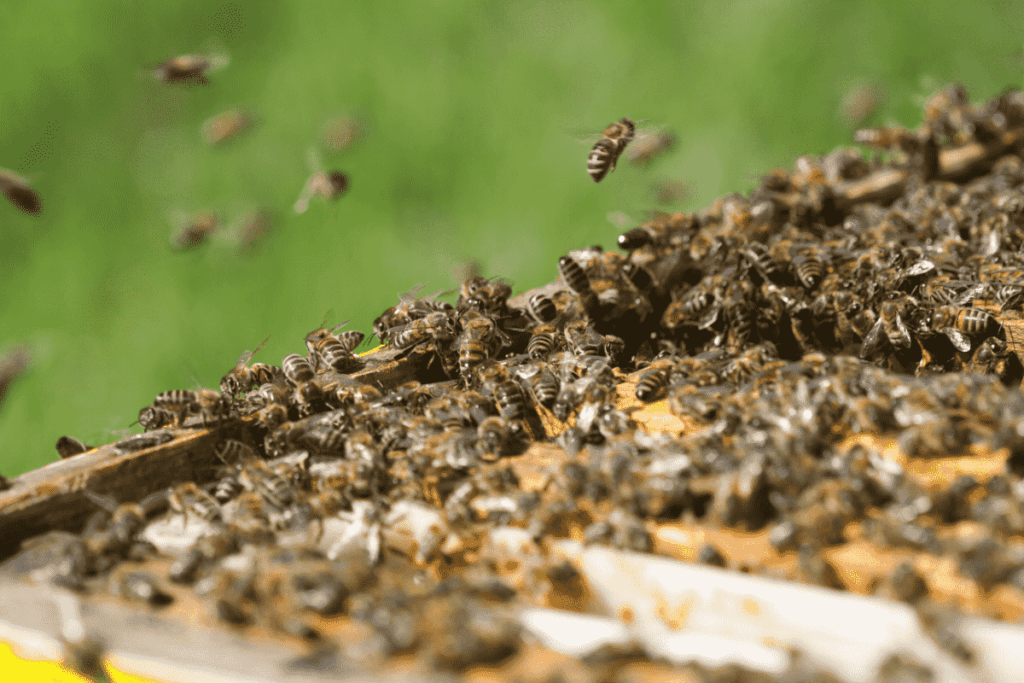
Smart hives use IoT sensors and AI to monitor temperature, humidity, pests, feeding needs and colony activity in real time. If there’s a drastic change in any of these levels, the beekeeper gets an alert. Some systems even automate feeding.
And it’s working: BeeHero’s 2023 Healthy Hive Score found 33% fewer colony losses in IoT-enabled hives compared to the national average. Smart hives mean less stress for bees and less guesswork for the beekeepers.
All of this happens through apps and digital networks, so even small-scale beekeepers can access research-backed insights.
#2 Farming Practices Are Becoming Bee-Friendly
Farmers are also creating healthier, more sustainable habitats for bees by:
Reducing pesticide use
Increasing crop diversity
Planting wildflower strips (“pollinator strips”)
These practices are part of a movement called regenerative agriculture, which has shown benefits both for bee health and overall environmental stability.
#3 Solar Energy Powers Hive Equipment
To reduce carbon emissions and operational costs, beekeepers now use:
Solar-powered extractors
Clean-energy-powered smokers
These options are better for the planet, cut long-term costs and are healthier for our ecosystems — not just bees!
Some startups also build hives using eco-friendly, insulated materials (like sheep’s wool) to regulate temperature and moisture. This greatly reduces stress on bees, especially in the winter.
#4 Urban Beekeeping Brings Hives Into the City
Listen. Hear a light buzz in the background? It might not be the fluorescent lighting. Bees may be living on your office rooftop — or on top of your apartment building.
Urban corporate beekeeping brings bee hives into major cities, placing them on office buildings, apartment complexes — even tucking them away in parking structures.
Workshops make it easy for anyone to learn about bees and pollinator protection. These projects help reconnect people with nature while boosting local pollinator numbers. Urban beekeeping merges citizen science with professional entomology — a win-win for everyone.
#5 Bee Health Takes Priority
Instead of just focusing on honey production, breeders are now prioritizing bees that resist disease and can survive increasing climate swings. This shift is vital for maintaining a stronger, more adaptable bee population as climate and disease pressures grow.
Another important factor? Ensuring bees have adequate food stores, like sugar syrup, candy boards or fondant. Protein supplements also help where pollen is scarce.
Whether you’re just starting or ready to lead your hives into a sustainable future, UF’s science-based training connects you to the latest research, crucial innovations and a network of like-minded experts driving beekeeping forward.
Move from hive hobbyist to pollinator protector. There’s a place for you (and your bees) in Gator Nation.
Every neighborhood has that one yard: lush lawn, trimmed hedges, wraparound porch. It’s the envy of everyone who drives past, but you know something? Pollinators hate it. Bees, butterflies, birds and other pollinators are essential for biodiversity and pollinating the crops that feed us. But to do their job, they need shelter and reliable food sources. Your yard could…
“Conservation isn’t just a business of a few people, it’s a matter that concerns all of us.” —Walt Disney The link between The Walt Disney Company and the natural world runs deep. From Disney’s Animal Kingdom to its acclaimed “Disneynature” documentaries, the company has long worked to inspire a love of nature through storytelling and entertainment. What may…
You lift the lid of the hive slowly. The sound changes immediately. A low, steady hum rises as thousands of honey bees adjust to the sudden light. You watch their movement before you touch anything: How they cluster. How they fan their wings. Whether the colony feels calm or off. This is what an apiary…
Gene-editing tools. Pest-fighting flies. Insect behavior breakthroughs. 2025 kept entomologists on their toes.
But 2025 also brought serious setbacks. Insect decline continued, especially for pollinators like honey bees. The stinging Asian needle ant has now spread to at least 20 states, and the spotted lanternfly has invaded Virginia.
On the bright side, AI and drones are changing how scientists study insects, helping them map outbreaks, track migrations and flag pest threats at record speed.
So, what’s next for entomology? Let’s break down seven trends making headlines in 2026.
#1 Advancements in Gene Drives
Gene-editing tools like CRISPR-Cas9 are becoming powerful weapons in the fight against insect-borne diseases. Researchers in Africa are developing gene-drive mosquitoes that can spread anti-malarial genes through wild populations (though they faced pushback in 2025 due to ethical concerns).
Despite these challenges, researchers are advancing gene-drive technology on multiple fronts.
A UK-Tanzanian program called Transmission Zerohas created mosquitoes that can resist the malaria parasite. The team plans to have a gene-drive field trial application ready by late 2026, which could pave the way for controlled releases by early 2027.
Robots and drones are literally taking flight across the world’s farms.
In 2025, researchers in Pakistan launched solar-powered smart traps that lure insects, photograph them and use onboard AI to identify pests with up to 94% accuracy. The system even sends farmers real-time SMSalerts with species breakdowns and weather-based predictions for outbreaks.
As costs drop and connectivity improves, expect wider deployment in 2026. AI and drones are now being used for:
The line between entomology and biotechnology keeps blurring. In early 2023, the U.S. approved the world’s first vaccine for honey bees to protect colonies from American foulbrood — a disease that once forced beekeepers to burn entire hives. By 2025, field trials expanded worldwide, marking a turning point in beneficial insect health management.
If successful, this breakthrough could pave the way for future vaccines and immune-priming tools for other vulnerable pollinators and agricultural species.
Meanwhile, on the frontier of human medicine, biotech firms are exploring how to use insect cells to develop vaccines and gene therapies for humans. The future of medicine may just have six legs.
#4 Inside the Insect Mind
Understanding how insects think could impact everything from pest control to robotics. This year, scientists are getting closer thanks to the growing field of insect neuroethology.
In 2026, scientists are using new tools that let them monitor insect heart rates and stress levels on video without touching them. Whether they’re studying honey bee anxiety or spider temperature responses, researchers are learning how insects process and react to their environment in real time. This research will have major implications for:
Maggots are eating trash to fight climate change … and supply is high.
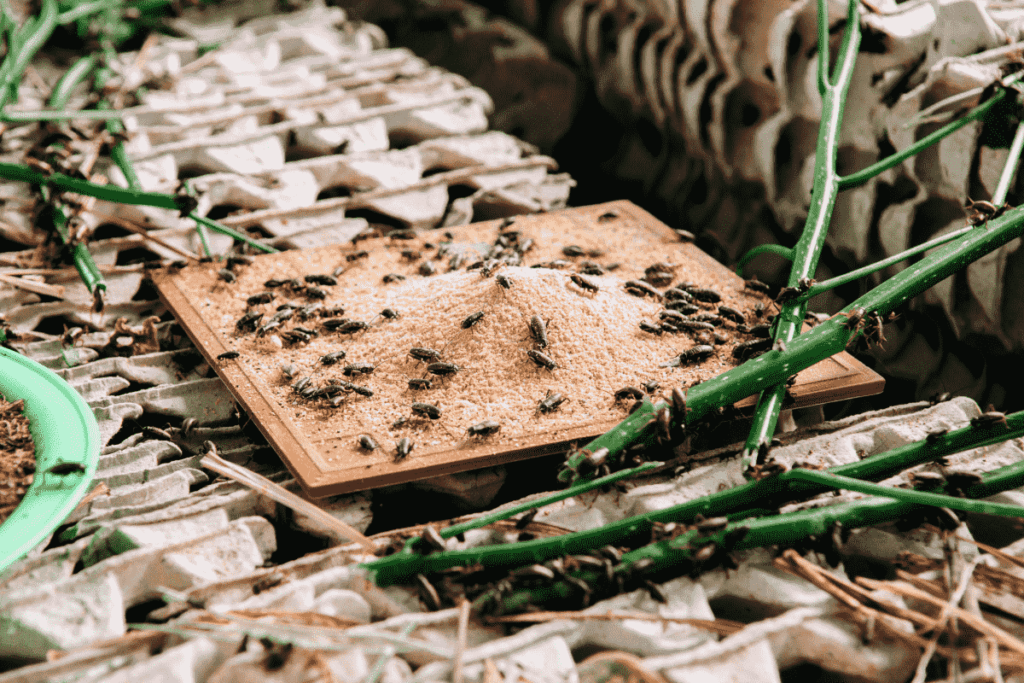
In France, the world’s largest black soldier fly facility now raises 10 billion larvae at a time, converting food waste into animal feed using AI, robotics and waste heat from a nearby factory.
#6 One Health Links Insect Conservation to Human Health
The One Health movement recognizes that human health is inseparable from the health of animals, plants and ecosystems. As insect populations decline by an average of 6.6% per year — even without human interference — insect conservation is becoming essential to maintaining that balance. The framework unites:
Medical and veterinary sciences
Environmental sciences and insect ecology
Public health and education
Beneficial insects pollinate our crops and ensure soil stability. Protecting insect biodiversity is essential to safeguarding global health systems.
#7 Insects Reveal Climate Change Impacts in Real Time
Insects are nature’s early warning system for climate shifts. A 2025 study found that insects are highly sensitive to even the slightest temperature changes, which is a major driver in their decline.
In 2026, scientists will start using insect DNA and movement as real-time indicators: radar tracking of migrating moths, DNA sampling from air and soil and behavior-based climate stress models.
Recap: Key Points
Entomology is becoming an interdisciplinary field, blending insect ecology with biotechnology, climate science and AI.
Here’s what to look out for in 2026:
Gene editing and reversal drives are transforming pest control.
Behavioral research is revealing how insects think and adapt.
Vaccines and biofactories will boost insect health and sustainability.
The One Health movement links insect ecology with public health.
AI and drones will power everything from smart traps to swarm robotics.
Lead the Next Revolution in Entomology
Whether you’re drawn to gene-editing, pollinator conservation or decoding insect intelligence, your future in entomology starts here.
The University of Florida offers the nation’s top-ranked, 100% online entomology graduate programs, placing you right in the center of discovery. Study anytime, from anywhere — even if you’re raising bee hives or chasing butterflies on another continent.
Sound like your kind of journey? Make 2026 the year you begin. Explore UF’s online graduate programs in entomology and apply to join the next generation of scientists shaping the planet’s future.
Agriculture has a workforce most people never see (and no, it’s not just agronomists or agricultural engineers). It’s insects. Quietly and consistently — without paychecks or benefits — insects pollinate crops, control pest populations and help food systems function. Understanding their role goes beyond appreciation. It’s a reminder that biodiversity in agriculture depends on more than what we plant in the field. …
Insects can’t be trained — at least not in the way you’re thinking of. No pats on the head for fetching a tiny ball or flying to a certain spot on command. But research on hoverflies is challenging what entomologists thought they knew about insect learning. These small, bee-mimicking insects are helping researchers understand how visual information shapes decision-making…
Disaster preparedness planning usually focuses on evacuation routes, emergency supply kits and shelter plans. Insects rarely make the list. But after a hurricane or flood, insect populations aren’t waiting for communities to catch up. Mosquito numbers spike. New breeding sites appear overnight. Disease risks increase. That’s why entomology plays a crucial role in emergency management planning. By monitoring insect populations and identifying potential disease…
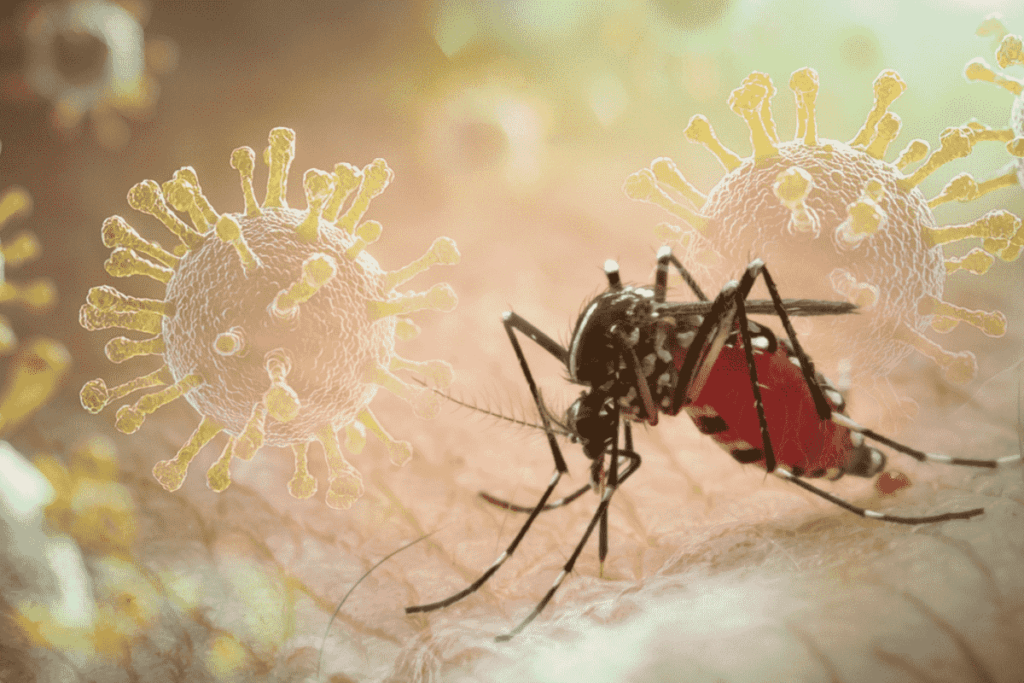
Imagine a killer slipping through a cracked window and landing on your arm without you noticing. By the time you swat, it’s already vanished. Some species will strike again quickly if disturbed, while others pause before their next bite.
Now imagine that this tiny assassin has a million similarly sneaky relatives that cause more than 700,000 deaths each year.
Mosquitoes, ticks, blackflies and other vectors (disease-carrying insects) may be small, but in public health, they’re a massive problem — and their reach extends far beyond your backyard.
In this article, we’ll take a deep dive into the new technologies transforming medical entomology and the fight against vector-borne diseases.
What Do Medical Entomologists Do?
Medical entomologistsare the detectives, scientists and strategists (sometimes all in one day) who study how insect vectors spread disease, and, most importantly, how to stop them.
How Are They Using New Technology in Medical Entomology?
Insect nets, jars and microscopes are traditional go-to tools for medical entomologists, but new technology has made their job a whole lot easier. Medical entomologists are now using:
Drones
AI-powered traps
Genetic engineering
Portable diagnostics
GIS mapping
For example, mosquitoes spread diseases like malaria and Zika. Ticks are a big concern for Lyme disease. Blackflies can transmit river blindness in Africa, and tsetse flies are known for spreading sleeping sickness. These are only some of the vectors out there — each with its own challenges, and researchers are finding new ways to tackle them.
#1 Drone Technology
Imagine slogging through water or high grass in remote, sometimes dangerous places to collect specimens or deploy treatments. Drones today can do many of the same tasks (while avoiding the mud-soaked boots and insect bites). Drones help fight pests that destroy crops, ecosystems and insects that carry disease by:
Releasing genetically engineered insects for sterile mating or population suppression
The University of Florida, for example, uses drones to find mosquito breeding sites in Florida wetlands for targeted control.
#2 AI-Powered Smart Traps
In the past, catching and identifying insects meant lugging traps back to a lab, sifting through piles of specimens … and hoping none escaped before identification.
Smart insect traps — powered by artificial intelligence and in development for future use — could do much of the heavy work soon. Vectors will have a harder time remaining undercover when these traps can:
Identify insects instantly
Send data straight to the cloud
Continuously log activity
Trigger an alert if a dangerous species shows up
Need a real-world example? This new smart trap automatically counts mosquitoes in the field and transmits live updates.
#3 CRISPR: Genetic Engineering
What if we could create a superbug to fight other bugs … and save lives in the process? This isn’t science fiction: Scientists can now use CRISPR-Cas gene editing to change an insect’s genes.
For example, scientists can deploy modified male mosquitoes whose offspring never reach adulthood. Another method allows them to introduce genes (or bacteria like Wolbachia) that prevent mosquitoes from carrying viruses like dengue or Zika.
Researchers are also testing CRISPR on kissing bugs to curb the spread of Chagas disease and on ticks to reduce Lyme disease transmission. Some engineered insects are designed with self-limiting traits, so the changes fade out after a few generations.
Still, real-world deployment has seen uneven results. Concerns about ecological impacts, regulation and variable field results mean that CRISPR-based approaches are still undergoing careful testing.
#4 Portable Diagnostics
If an outbreak is already brewing, however, every second counts. Medical entomology field teams can now get answers through portable tests that are small enough to carry around, including:
LAMP (Loop-Mediated Isothermal Amplification)technology, a fast way to detect DNA and RNA, often with a simple color change on a test strip
LAMP assays (developed for rapid detection of the dengue virus) let field teams identify infections in under an hour. It’s like having a mini lab in your backpack!
#5 GIS Mapping and Machine Learning
Think of GIS (Geographical Information Systems) as a detailed forecast. This technology layers satellite images, breeding site surveys, climate data and human movement patterns into a real-time map. Machine learning then scours that picture for patterns people can’t see—such as blackfly surges after a rainstorm or a tick outbreak.
UF’s Florida Medical Entomology Lab is already using this technology. Our field teams can predict where vectors will appear next and stop potential outbreaks before they spread.
Research published in PNAS shows that deep learning and computer vision are pushing medical entomology even further, using sensor-based monitoring, image recognition and automated trait detection to speed up decision-making. These advances are launching new opportunities for entomology enthusiasts with a special interest in mathematics, programming and AI.
#6 Radioactive Tracking
Radioactive materials work like invisible GPS tags to track insects. This technology can trace every part of an insect’s journey and its lifespan. The International Atomic Energy Agency, for example, uses radioisotopes to mark and track tsetse flies in Africa.
New Technologies in Medical Entomology: What You Need to Know
Medical entomology is evolving fast, and medical entomologists are constantly upgrading technology to stop diseases before they spread. Let’s recap a few key points:
Drones, AI traps and CRISPR can target vectors precisely.
Portable tests can deliver results in under an hour.
GIS and machine learning predict outbreaks before they happen.
Radioisotopes track insect movement.
Shape the Future of Vector Control at UF
Does the thought of tackling vector-borne diseases with the newest technology excite you?
The University of Florida is a leader in entomology research and home to the nation’s top-ranked entomology programs, with specializations in:
Learn the science, apply it to real outbreaks and join a global community that’s passionate and committed to stopping vector-borne diseases. No lab coat or GRE required — just curiosity, commitment and the drive to make a difference.
Ticks are tiny. The problems they cause? Not so much. These tiny arachnids — about the size of an apple seed — spread more vector-borne diseases than almost any other insect. Lyme disease alone is diagnosed and treated in roughly 476,000 Americans each year, according to the U.S. Centers for Disease Control and Prevention (CDC). And recently, emergency room…
A squirming larva that screws itself deeper into living flesh as it feeds? Yeah, a screwworm sound like something a horror writer invented after a very bad camping trip. Unfortunately, they’re real. Even more unfortunately, they’re flies. The New World Screwworm (NWS) is a parasitic fly whose larvae (maggots) can infest wounds and feed on…
Traveling exposes you to a lot of new experiences, like stumbling upon the best street food you’ve ever had. That’s part of what makes it worthwhile. But some surprises are worth getting ahead of, and vector-borne diseases are at the top of that list. Sure, you can’t avoid bugs entirely, but you can make yourself a much harder target. That takes preparation and a…
If you’ve ever battled a pest that refuses to leave your home, you already know the value of effective pest control. Insect pests are difficult enough to manage in your home, so imagine trying to control pests across entire farms, warehouses or parks—without harming the environment.
This is exactly the challenge precision pest management aims to solve.
What Is Precision Pest Management?
Precision pest management(PPM) is unlike traditional pest control methods, where pesticides are sprayed across large areas whether pests are there or not. This ‘area-wide treatment’ involves the use of long-lasting residual chemicals to kill insect pests that travel through a treated area. More strategic and targeted, PPM applies pesticides exactly where and when they’re needed. It’s safer, greener and a whole lot more effective.
Let’s break down the details.
Smart Monitoring: Using AI for Precise Real-Time Tracking
Modern technology has fundamentally changed how experts find and manage pests. Today, AI-powered tools allow farmers and pest specialists to pinpoint where pests are actually causing problems, without compromising healthy crops or ecosystems.
Here’s what that looks like in practice:
Drones Autonomous drones with advanced sensors can fly over fields and dense or remote vegetation and pick up on signs of plant stress (release of Volatile Organic Compounds), like how a canopy reflects light. This helps identify pest hotspots.
IoT sensors While drones are out in the fields, AI-driven IoT sensors are placed in key areas like crops, warehouses or restaurants—even inside walls! They can detect movement, trap triggers and temperature and humidity changes (higher temperatures can indicate pest breeding grounds).
Smart trap cameras These cameras are powered by IoT sensors and help detect subtle changes—like temperature shifts or sudden movement—and flag them in real-time.
In tandem, these tools create a highly detailed, real-time pest map. Think of it like an interactive map to spot illegal activity (but with pests instead of burglars or robbers) with continuous communication and feedback.
Alongside smart monitoring tools, pest control teams also tap into a technology that many of us use every day: GPS.
GPS (Global Positioning System) is used to find precise problem zones, not just blanket-spray fields. GPS-powered tools allow professionals to map exact infestation patterns and then tie each pesticide treatment to precise coordinates.
This brings real-time efficiency: less downtime driving around, less chemicals wasted and more targeted pest control.
What Tools Are Used in Precision Pest Management Treatment?
Your hotspots are mapped. So, what happens next?
It’s time for targeted treatments. For this step, PPM specialists are using a range of smart technologies, including:
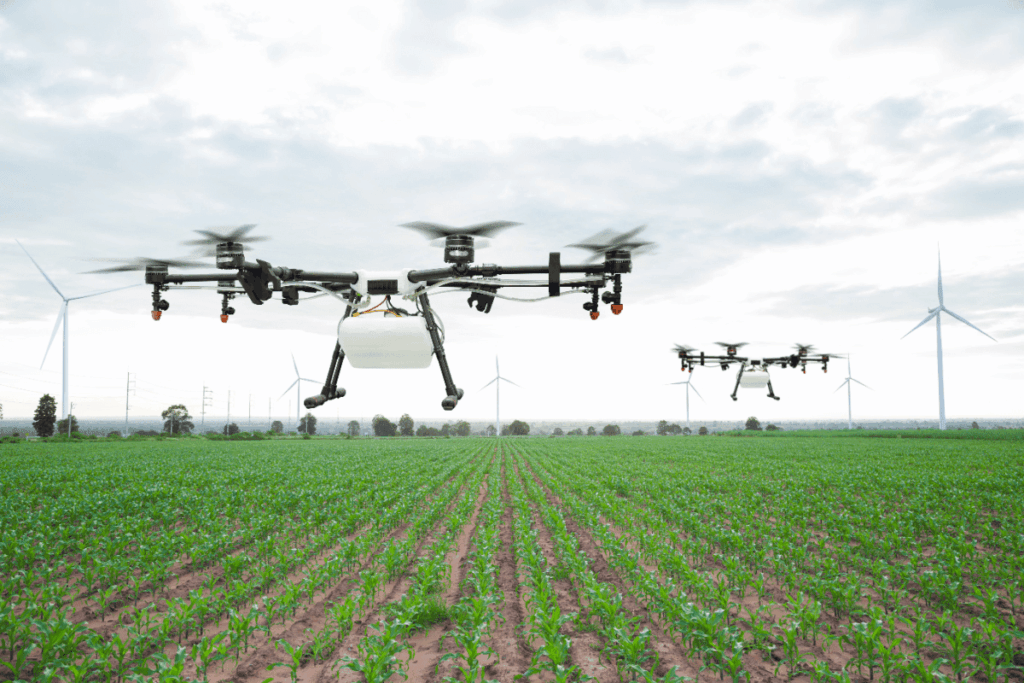
Actuation drones These drones are sent out to precisely release pesticides, beneficial insects or even biocontrol agents into specified zones. Some of them use backpack sprays. Companies like UAV-IQ have developed drones that disperse predator insects to fight pest outbreaks naturally.
GPS-guided tractors and sprayers These smart machines use variable-rate technology to apply pesticides only where needed, which cuts chemical use, fuel and overall costs.
Robots and field robots Who says only drones have all the fun? Robots and field robots—like this agricultural bot—can move through orchards or vineyards and deploy targeted sprays or release biocontrol agents, which reduces reliance on human labor while increasing accuracy.
Feedback Loops: Making Pest Control Smarter and Safer
Feedback loops are processes that use data and technology to continuously monitor and improve pest control efforts. Unlike traditional ‘spray and walk away’ methods, PPM uses sensors and AI to constantly check results and fine-tune treatments. This is done with:
Sensors Sensors are used to monitor how pests and plants react after treatment.
Artificial intelligence AI reviews the data to pinpoint what’s going on (and what’s not).
Real-time adjustments Systems can adjust in real-time, so no area is over- or undertreated.
This real-time feedback allows for constant improvement in treatments and prevention.
What’s Next for PPM?
The global precision pest management market is expected to grow by almost 17% by 2027, and North America is poised to be the largest region of implementation. An increasing demand in pesticide-free food and advancing technology is pushing PPM to replace traditional pest control methods.
Key Takeaways
Let’s recap some of this article’s key points:
Precision pest management (PPM) uses smart technology to treat exactly the right spot at the right time.
Drones, sensors and satellites help spot pest trouble, even before it spreads.
With GPS-guided tools and robots, treatments hit targets without wasting chemicals.
PPM systems learn as they go, adjusting in real time.
PPM is a growing strategy globally, as people push for cleaner, more efficient pest control.
Turn Your Passion for Pest Control Into a Career
Imagine being the person responsible for protecting an entire citrus grove from invasive pests, maneuvering drone technology and field robots. If this kind of work fascinates you, UF’s online entomology programs might just be your next step.
Whether your passion lies in urban pest control, sustainable agriculture or environmental science, you’ll find flexible, fully online options that fit your life — even if you’re already in an established career. There’s no GRE required, and you can start in the spring, summer or fall semester.
You’ll tap into the same innovations used by UF’s Precision Agriculture Engineering team, including developing real-world solutions with NDVI mapping, smart monitoring and biological controls.
Choose our 30-credit, non-thesis master’s degree in entomology with a specialization in landscape pest management or urban pest management. Or hone your skills with one of UF’s 15-credit online graduate certificates. All programs are led by UF’s world-renowned faculty and driven by real-world research.
If you’re ready to make an impact in smart technology and pest control, UF gives you the tools and credibility to lead in the field. You’ll join a passionate community of innovators working on the front lines of smarter and safer pest control.
Every neighborhood has that one yard: lush lawn, trimmed hedges, wraparound porch. It’s the envy of everyone who drives past, but you know something? Pollinators hate it. Bees, butterflies, birds and other pollinators are essential for biodiversity and pollinating the crops that feed us. But to do their job, they need shelter and reliable food sources. Your yard could…
Spotted lanternflies are destroying crops across the Eastern U.S. These invasive pests have slashed grape harvests by up to 90% and stunted maple tree growth by half. Since arriving in Pennsylvania in 2014, they’ve spread rapidly — and they’re getting harder to kill. The good news? Scientists are fighting back with promising new weapons: parasitic wasps, bug-killing fungi and strategic habitat removal. These biological control methods could…
Grew up in the South? Then you’ve probably been stung by a fire ant. Maybe you accidentally stepped on a mound or learned the hard way not to stand on the grass for too long. However it happened, you walked away with a sting so itchy, you’d swear fate was testing you. Fire ants may…
Forget lions and sharks: When it comes to global health threats, the mosquito packs the deadliest punch. These tiny insects cause over 700,000 deaths per year.
When you think of mosquito control, you might picture traditional methods like insecticides and larvicides. These techniques have helped safeguard our communities for decades, but today’s scientists are developing smarter, bolder and more sustainable solutions to keep mosquito populations in check (and out of our backyards).
Let’s take a closer look at how modern mosquito control techniques are evolving and why they matter.
New Mosquito Control Techniques: In the Lab
Traditional mosquito control relies on traps, repellents, misting and eliminating breeding sites. But today’s cutting-edge strategies start in the lab, where entomologists and public health scientists are pushing boundaries and investigating the biology, behavior and vulnerabilities of mosquito species.
Some key areas of research are:
#1 The Mosquito Microbiome
The mosquito microbiome is the community of bacteria living inside mosquitoes. While not every mosquito is out to infect us with pathogens, the ones who are can spread deadly diseases like malaria, dengue, Zika and yellow fever.
Research shows that changing a mosquito’s microbiome can reduce its ability to spread disease. Scientists are finding ways to introduce bacteria that block disease transmission, offering a more eco-friendly strategy for protecting human populations.
#2 Gene-Editing Technologies
This is another game-changer: Gene-editing tools like CRISPR-Cas have allowed researchers to create genetically modified mosquitoes that:
are resistant to carrying diseases
can’t reproduce successfully in the wild
These genetic approaches are promising, but it’ll take some extensive real-world testing before we can start sending mutant mosquitoes to battle their disease-laden counterparts.
New Mosquito Control Strategies: In the Real World
Research breakthroughs mean little unless they translate into practical and scalable solutions. That’s why field testing is so important: It bridges the gap between theory and impact.
Here are some of the newest mosquito control trends playing out in communities today:
#1 Sterile Insect Technique (SIT)
Building on a technique that was first used in agriculture, SIT uses radiation or genetic engineering to sterilize male mosquitoes.
Only female mosquitoes bite, but when sterile male mosquitoes are released into the wild, they mate with females, and no offspring are produced. Over time, this naturally lowers mosquito populations — without the widespread use of chemical pesticides.
Wolbachia bacteria are found naturally in about 50% of all insect species, including mosquitoes, fruit flies, moths and dragonflies. These bacteria aren’t harmful to humans, and they block viruses like dengue or West Nile from replicating inside mosquitoes.
Scientists are breeding mosquitoes with Wolbachia and releasing them into the wild. As they breed, they pass Wolbachia to their offspring, gradually lowering disease transmission rates.
This approach is a prime example of how entomologists are using nature to solve a problem while minimizing ecological disruption.
#3 Drone Technology and Smart Surveillance
Finding and controlling mosquito breeding sites is easier with drone technology and remote surveillance systems. These tools help scientists survey wetlands, marshes and urban areas to find mosquito hotspots, enabling faster and more targeted interventions and saving time, money and resources.
Some areas even deploy smart mosquito traps with acoustic sensors that identify mosquito species by their unique wing-beat frequencies. These traps can capture mosquitoes without damage and collect real-time data on mosquito populations, helping experts target control measures more efficiently.
Challenges in Implementing New Mosquito Control Techniques
Of course, even the most exciting new technologies face challenges:
Cost and access: Advanced techniques like gene editing require significant funding and technical expertise, making them less available in low-resource areas.
Public concerns: Releasing genetically modified mosquitoes—i.e., tampering with nature—raises ethical concerns for some communities.
Environmental impact: Even careful releases can behave unpredictably, and influences like climate, predators or human activity can affect the outcome.
This is why ongoing research, education and community involvement remain key to successful mosquito control programs—now and in the future.
Key Takeaways: What’s Next for Mosquito Control?
With continued innovation, mosquito control is becoming more sustainable, precise and impactful for global public health. Let’s recap what we’ve learned in this article:
Lab research is driving new mosquito control techniques, like microbiome manipulation and gene editing.
Wolbachia bacteria are nature’s virus blockers, lowering disease spread without harming ecosystems.
Drones and smart traps make mosquito surveillance faster and more precise.
Challenges remain, including costs, ethical concerns and environmental unpredictability, so careful planning and community support are essential.
Protect Public Health and the Planet: Study Entomology at UF
Today’s mosquito control research blends lab science with real-world fieldwork, and there’s still so much ground to cover. If you’re passionate about disease prevention, public health and environmental protection, consider joining UF’s globally top-ranked, entirely online graduate entomology and nematology program.
The University of Florida is a global leader in vector-borne disease research, with experts at the Emerging Pathogen Institute driving innovation. You’ll explore the latest in vector-borne disease prevention and mosquito control techniques through an online curriculum that you can complete at your own pace, whether you’re pursuing a master’s degree, graduate certificate or just a few courses.
UF offers four tracks to specialize your studies, depending on your goals:
Ticks are tiny. The problems they cause? Not so much. These tiny arachnids — about the size of an apple seed — spread more vector-borne diseases than almost any other insect. Lyme disease alone is diagnosed and treated in roughly 476,000 Americans each year, according to the U.S. Centers for Disease Control and Prevention (CDC). And recently, emergency room…
A squirming larva that screws itself deeper into living flesh as it feeds? Yeah, a screwworm sound like something a horror writer invented after a very bad camping trip. Unfortunately, they’re real. Even more unfortunately, they’re flies. The New World Screwworm (NWS) is a parasitic fly whose larvae (maggots) can infest wounds and feed on…
Traveling exposes you to a lot of new experiences, like stumbling upon the best street food you’ve ever had. That’s part of what makes it worthwhile. But some surprises are worth getting ahead of, and vector-borne diseases are at the top of that list. Sure, you can’t avoid bugs entirely, but you can make yourself a much harder target. That takes preparation and a…
If Marvel made a movie about mosquitoes, the villain would be gene editing—and we’d be rooting for it.
Invasive pests cost the United States up to $21 billion per year in economic damages and healthcare costs, with bed bugs being among the costliest to eradicate. There are only a few insecticides registered for the control of many invasive pests, such as the yellow fever mosquitoes, which in turn has led to widespread insecticide resistance. Development of new control methods is warranted for the continued protection of our interests.
Let’s take a closer look at how gene editing is reshaping pest management.
CRISPR: Precision Gene Editing for Insect Control
CRISPR is a tool that cuts and tweaks DNA with extreme precision. Think of it like a pair of genetic scissors. In pest control, it’s used to:
Target genes that are essential for female fertility
Create insects that only produce male offspring
Remove pesticide-resistant genes
Only female mosquitoes bite and transmit diseases like malaria or dengue. By shifting the gender balance or preventing reproduction, scientists can quickly reduce pest populations.
Gene Drives: Hacking Inheritance to Suppress Pests
While CRISPR is used to cut into genes, gene drives can override natural inheritance. Normally, a gene has a 50% chance of being passed down from each parent. Gene drives “hack” inheritance by forcing nearly 100% transmission of a modified gene. This can collapse entire pest populations in a matter of generations.
For example, a CRISPR-based gene drive in Terni, Italy wiped out caged mosquito populations in eight to 12 generations. While more testing is needed — especially to avoid unexpected effects on ecosystems — large-scale trials are underway in Burkina Faso, Mali and Ghana through projects like Target Malaria.
How Is Gene Editing Used in the Real World?
Scientists use gene editing to control pest populations by releasing modified insects and monitoring their effects on the environment. Before releasing any gene-edited insects, however, they carefully track pest numbers, weather and possible risks like insect resistance. After release, scientists monitor everything from insect reactions to mutations. Some gene-edited insects even glow under light so they’re easier to follow!
A few real-world examples:
Oxitec (a biotech company) has partnered with UF to edit mosquitoes with a self-limiting gene, so their offspring don’t survive to adulthood.
The United States Department of Agriculture (USDA) is targeting Drosophila suzukii, a fruit fly that ruins berry crops.
Pink bollworms—the bane of cotton farmers in the Southern U.S.—have been nearly wiped out with gene editing.
Who’s Involved in Insect Gene Editing?
These breakthroughs don’t happen in isolation. It’s only when researchers, industry partners and community stakeholders collaborate that they can safely develop, test and monitor gene-edited insects and crops. Key players include:
University labs
Biotech companies
Local pest control teams
Government regulators
Global teams like Target Malaria
Risks and Ethics: What Are the Concerns About Gene Manipulation?
Despite its promising potential for public health, gene manipulation raises some concerns. Regulators worry that edited species could jump to non-target species or mutate in unexpected ways. There’s also a risk of pests developing resistance, just like they do with pesticides. (Think monster bug-repelling-and-cage-resistant mosquitoes.)
And then there’s the moral minefield: Should we be editing life forms into extinction, even if they’re pests?
While these questions don’t have easy answers, they highlight the importance of open discussion and debate as gene editing technology advances.
What We’ve Learned (and What’s Next)
To wrap up, let’s quickly review what we’ve learned about gene editing and pest control:
CRISPR and gene drives are transforming insect pest control.
Real-world projects are targeting mosquitoes, fruit flies and crop pests.
Ethical and environmental concerns remain under global review.
New methods like self-limiting gene drives are being developed to minimize risk.
Science Meets Impact With an Entomology Degree From UF
If pest control is starting to feel like more than a random deep-dive, UF’s online entomology programs are worth a closer look.
Florida is synonymous with oranges. It’s the proud home of Orange County, boasts 569,000 acres of orange groves and offers tourists a special treat with its Florida Citrus Center gas stations filled to the brim with mounds of oranges beckoning you to take a five-pound bag home. Floridians have every reason to be proud of…
Don’t let their tiny sizes fool you: Insects are the heavy lifters of our planet. With an estimated five to ten million species worldwide, insects make up more than half of all known life on Earth. They’re also the most diverse animals on the planet, varying widely in shape, behavior and function. This diversity is…
You lift the lid of the hive slowly. The sound changes immediately. A low, steady hum rises as thousands of honey bees adjust to the sudden light. You watch their movement before you touch anything: How they cluster. How they fan their wings. Whether the colony feels calm or off. This is what an apiary…
Ground beetles are beneficial insects that provide natural pest control in gardens and agricultural settings. Most species prey on common garden pests like aphids, caterpillars and slugs, helping reduce the need for chemical pesticides.
And while their shiny outer shells can seem intimidating at first glance, ground beetles aren’t harmful to humans. On the contrary; they play an important ecological role in maintaining balanced ecosystems.
The name “ground beetle” refers to all insects in the Carabidae family, also known as carabids. With approximately 40,000 species worldwide, these hardworking insects play a vital role in maintaining healthy ecosystems: fertilizing soil, preying on pests and keeping nature in balance.
Physically, ground beetles range from 0.28 inches to 2.6 inches in length — about the size of a standard pencil eraser to the length of a lipstick tube. No matter their size, they share several common features:
Long legs for speed
A tough exoskeleton for protection
Powerful mandibles for capturing and devouring pests
Their coloration varies by species, ranging from deep black to striking metallic hues of green, blue, copper or gold.
Why Are Ground Beetles Beneficial?
Many garden enthusiasts, farmers and ecologists consider ground beetles beneficial insects because they offer effective, pesticide-free pest control. Here’s why they’re vital to our ecosystems:
Providing natural pest control What do ground beetles eat? Ground beetles have an insatiable appetite, particularly for common garden pests like aphids, caterpillars and slugs. Armed with powerful mandibles, they feast on these pests, helping keep vegetation healthy and thriving.
Pollinating nearby plants While bees are the most well-known pollinators, ground beetles also play a role in pollination. As they wander through your garden or yard, they carry pollen from one plant to another, aiding plant reproduction and supporting local flora.
Improving soil health Think of ground beetles as tiny gardeners, working behind the scenes to keep soil healthy and thriving. They break down plant debris, which enhances nutrient cycling, and their burrowing improves air and water circulation, benefiting plant roots. Additionally, their waste enriches the soil with organic matter.
How To Attract Ground Beetles to Your Garden
Want to harness the natural pest control power of ground beetles in your garden? Follow these simple steps to create a beetle-friendly haven:
Offer their favorite plants Ground beetles feed on unwanted pests, but they also enjoy flowering plants. To attract them, plant species like asparagus, rhubarb and red clover; they’re all beetle-approved.
Provide shelter No need to build a tiny beetle mansion, but adding mulch, leaves or other organic matter will give them a cozy spot to hide during the day.
Offer water Whether you keep your soil extra moist or provide a shallow bowl to quench their thirst, ground beetles need (and will appreciate) the hydration.
Minimize pesticide use Since you’re inviting beetles in to help with pest control, skip the chemical sprays. Instead, try hand-picking pests or using essential oils or pest-repellent plants.
Ground Beetle FAQs
Are ground beetles harmful to humans? No. Ground beetles are not harmful to humans. While they have strong mandibles for capturing prey, they rarely bite and don’t pose a health risk. Most species are more interested in hunting garden pests than interacting with people.
What do ground beetles eat? Ground beetles primarily feed on common garden pests such as aphids, caterpillars, slugs and other soft-bodied insects. Some species also consume weed seeds, helping support natural pest and plant management.
Are ground beetles good for vegetable gardens? Yes. Ground beetles are considered beneficial insects in vegetable gardens because they help control pest populations naturally. This reduces the need for chemical pesticides.
What attracts ground beetles? Ground beetles are attracted to gardens that provide shelter and food sources. Mulch, leaf litter, moist soil and healthy plant diversity create ideal habitats for these insects.
Deepen Your Knowledge of Beneficial Insects (and Unwanted Pests)
If you’re passionate about entomology, the University of Florida offers several entirely online programs designed to fit your schedule and career goals. With four specializations, you’re sure to find a path that will lead you to a rewarding career in entomology.
Whether you’re interested in medical entomology, beekeeping, urban pest management or landscape pest management, all of our program specializations are offered in two convenient formats:
Graduate Certificate In just 15 credit hours (and as little as one year), you’ll gain a comprehensive understanding of your chosen specialization. This format is perfect for honing the skills and knowledge you need to advance your entomology career.
Master’s Degree The master’s program consists of 30 credit hours: 15 hours to deepen your overall entomology knowledge and 15 hours focusing on your chosen specialization. By the time you graduate, you’ll have earned both a master’s degree in entomology and nematology and a graduate certificate in your area of focus.
As the number one entomology and nematology program in the world, we’re proud to share our expertise through renowned professors, offering the same high-quality education and hands-on learning experiences as our in-person classes.
Entomology is the scientific study of insects, the world’s most abundant and diverse organisms. Although its focus on insects makes entomology unique among other natural sciences, such as ecology, biology and microbiology, its goal of gaining knowledge through observation and experimentation is shared amongst all sciences. Sciences like entomology build upon each other to overcome some of the most challenging obstacles facing the world.
Bees do have favorite flowers. In general, they’re drawn to nectar-rich blooms in shades of blue and yellow, especially flowers with sweet scents and petals that make landing easy. Other pollinators have preferences too, and learning what different species look for can help you better support pollination in your garden or landscape. Let’s take a closer look at the flower traits bees prefer…
Forget lions and sharks: When it comes to global health threats, the mosquito packs the deadliest punch. These tiny insects cause over 700,000 deaths per year. When you think of mosquito control, you might picture traditional methods like insecticides and larvicides. These techniques have helped safeguard our communities for decades, but today’s scientists are developing…
Entomologists are changing the world, one insect at a time. From boosting pollination by increasing bee populations to reducing the number of disease-carrying mosquitoes, entomologists directly impact the health of our ecosystems and communities. Often, these groundbreaking advancements in entomology research start in the lab.
In the Lab: The Role of Entomology in Scientific Discovery
Although most insects — cockroaches and other unwelcome pests aside — reside outdoors, laboratories offer the controlled conditions necessary for entomologists to study them in detail. With regulated temperature, consistent lighting and access to advanced equipment, researchers can conduct precise experiments and gain critical insights into insect behavior and biology.
One of the more remarkable findings from laboratory research is the role of pheromones in insect communication. These chemical signals, used by insects to interact with one another, have been extensively studied in labs, leading to significant breakthroughs in pest management.
For example, scientists have developed traps that utilize specific pheromones to attract and capture harmful pests. This targeted approach can reduce populations of destructive species while sparing beneficial insects, such as our beloved pollinators. By minimizing the need for chemical insecticides, pheromone traps enhance sustainability and offer an eco-friendly solution to managing pests. It’s a win-win.
In the Field: Applying Research Findings in the Real World
A successful experiment in a controlled laboratory setting doesn’t always guarantee success in an insect’s natural habitat. That’s why entomologists take their research into real-world environments, testing their effectiveness in practical applications like agriculture, public health and environmental conservation. Field testing bridges the gap between theoretical discovery and practical implementation, ensuring that scientific advancements deliver meaningful results outside the lab.
Agriculture
The Food and Agriculture Organization of the United Nations estimates that pests reduce global crop yield by 20 to 40% annually. Not only does this diminish global food security, it can also generate serious economic losses due to ruined crops. To mitigate these impacts, scientists have focused on studying the biology and reproductive patterns of pests to develop sustainable, non-chemical methods of population control.
One such innovation is the sterile insect technique (SIT). This method involves sterilizing male pests via radiation, including fruit flies and mosquitoes. These sterile males are then released into areas with heavy infestations, where they compete with fertile males to mate with females. Since these matings produce no offspring, pest populations gradually decline. This technique can be effective in protecting crops while reducing reliance on chemical pesticides.
Public Health
Vector-borne diseases such as malaria, yellow fever and dengue result in over 700,000 global deaths each year. These diseases are transmitted by insect vectors, like mosquitoes and ticks, making population management of these species a critical public health priority.
The sterile insect technique has also been successfully adapted for disease control. The National Institutes of Health reports that SIT has been a valuable tool in suppressing mosquito populations that carry vector-borne diseases. By reducing the number of mosquitoes capable of transmitting diseases, SIT plays an important role in curbing outbreaks and protecting human health.
Conservation
Did you know that bees pollinate one in every three bites of food we eat? In fact, they’re responsible for fertilizing 80% of the world’s flowering plants (a little humble brag for some of our most powerful pollinators). Unfortunately, one in four species of bees is at risk of becoming extinct, due to factors like habitat loss, climate change and pesticide use.
To combat this decline, entomologists have been working both in the lab and field to protect these essential pollinators. Drawing on their research, scientists have developed strategies like planting native wildflowers near large crop areas. These pollinator-friendly landscapes provide welcoming habitats for bees and other species while also improving crop yields: a win for both agriculture and biodiversity.
Challenges in Field Implementation
Of course, implementing new practices in the field comes with its own sets of challenges, including:
Environmental complexity While conditions in the lab are carefully controlled, the unpredictability of natural environments presents significant obstacles. Factors such as weather, habitat diversity and predator-prey relationships can influence the results of field studies, often leading to variations from the findings observed in the lab.
Ethical concerns Releasing genetically modified insects raises concerns about their potential impact on ecosystems and human health. Some individuals question the long-term effects of such interventions, while others debate the morality of altering nature on such a large scale.
Scalability Although SIT has proven effective in smaller-scale trials, applying it on a larger scale poses challenges. Releasing sufficient numbers of sterile insects requires substantial resources and funding, and scaling up operations makes monitoring and evaluating outcomes far more complex.
Become a Pioneer in Entomological Research
Entomology is a field that can take you from cutting-edge laboratory experiments to the heart of vibrant ecosystems. If you’re driven by the idea of blending scientific research with real-world change, advancing your expertise through one of the University of Florida’s online graduate programs in entomology is the perfect next step.
As the number one entomology and nematology program in the world, we proudly offer several specializations tailored to your unique passions and career goals, from beekeeping to landscape pest management. We also understand that every path is different, and that’s why we provide the flexibility to choose between earning a graduate certificate or a master’s degree within any of our specializations.
If 2024 is any indication, 2025 is going to be an even bigger year for entomology. From conservation efforts to pest management, here are seven trends in entomology to keep on your radar.
The numbers are grim. Reports of insect declines, mostly from Europe and North America, show that 40% of insect species in temperate countries may face extinction in the next few decades. While the research doesn’t exactly break new ground, it highlights the importance of conservation efforts like habitat protection, sustainable land management and species-specific initiatives.
2. Protecting Pollinators
It’s not all doom and gloom! Just look at Slovenia, a Central European country with 11,000 passionate beekeepers. Back in 2011, the Slovenian Beekeepers’ Association successfully pushed to ban the use of neonicotinoid pesticides, which are toxic to bees. By 2018, they had started World Bee Day to educate the global public on the important role bees and other pollinators play in ensuring food security and conserving biodiversity.
The Slovenian Beekeepers’ Association proves that small, committed communities can make a difference. Don’t be surprised if more grassroots initiatives to protect pollinators emerge in 2025.
3. Pest Management Powered by AI
Artificial intelligence (AI) is everywhere. (Seriously, it might be a crime to write a “2025 trends” article without mentioning it.) But AI is solving some real problems in entomology. Take crop pests, for example. Pests destroy between 20% and 40% of food crops around the world every year, and they don’t even have the common decency to identify themselves. Rude.
That could all change with AI. For example, an IoT (internet of things) trap can capture pests. AI algorithms can then identify the pest with more accuracy than a human ever could. And that’s only one application for this evolving technology.
4. The Fight Against Disinformation
“Science itself is never partisan, but it’s always political … because knowledge itself is power, and power is political,” said science writer and author Shawn Otto in his keynote speech at the Entomology 2024 conference. Entomology often deals with complex challenges and advanced technologies that can be easily misunderstood by the public or misrepresented by bad actors. Otto urged scientists to communicate more effectively by not only “telling people what we know” but also “explaining how we know it.” In other words, explain how the science works.
5. Cracking the Code of Insect Behavior
How do insects feed, reproduce and interact? Understanding insect behavior is vital for pest management, disease control and insect conservation. And the field is booming. Researchers, looking at data from literature searches, funding databases and Entomological Society of America presentations, confirmed that the field is growing and recognized as an integral part of the entomological field.
That’s not all. Recent advancements in genetic tools and gene editing are letting scientists explore insect behavior at the molecular level. Given the staggering diversity of insects and their impact across numerous fields, expect this field to reveal incredible insights in the years ahead.
6. Plant Resistance Makes a Comeback
The wooly apple aphid loves apples. Like really loves apples — so much so that Reginald Painter pioneered host-plant resistance to combat these critters in the 1950s. Since then, over 500 crop genotypes with resistance to arthropod herbivores have been developed. Now, advancements in areas such as biotechnology, molecular breeding, analytical tools and omics techniques offer new insights into how plants and arthropod herbivores interact. As these tools continue to develop, expect plant resistance to become a key part of integrated pest management (IPM) programs.
7. Taking on Pests and Plant Pathogens
Insects don’t just spread diseases to humans; they’re also responsible for transmitting plant viruses and bacterial and fungal pathogens that devastate crops and threaten global food security. Thankfully, new discoveries are shining a light on these herbivorous pests. One key area of advancement is uncovering the molecular mechanisms at work when insects exploit host plants, and with genomic sequences now available for many species within major groups of vectors, the field is making incredible strides.
Become Part of the Story
We’ve covered everything from a passionate beekeeping community in Slovenia to cutting-edge genomic techniques revolutionizing plant protection. The takeaway? There’s a place for you in the vast world of entomology. Whether you’re planting a pollinator-friendly garden or pursuing a career in this growing field, we’re rooting for you. (But we’re kind of hoping you pick the second option.)
The University of Florida, home to one of the largest entomology and nematology departments in the world, offers online programs designed to help you make a difference in entomology, and in turn, the world. Want to study medical entomology or master the art of beekeeping? We’ve got you covered. Interested in IPM? Our landscape or urban pest management options will teach you everything you need to know.
2025 promises to be another exciting year for entomology. Why not step into this incredible field and add one more thing to look forward to? Take a look at our online graduate entomology programs, and when you’re ready, make it official by applying to UF!
Picture this: You’ve been craving those mouthwatering appetizers at your favorite weekend spot all afternoon. You finally arrive, eager to dig in, only to find the restaurant’s closed. Odd, right? It was open just last week.
Upon closer inspection, you spot a notice slapped on the door—a failed health inspection. The culprit? A significant pest infestation.
Now, who’s more frustrated: you, or the restaurant owner? Hard to say. Either way, this restaurant has clearly missed the mark on one of the key aspects of maintaining a safe and welcoming environment: pest management.
But what if the owner was doing everything right? What if they were taking all the right precautions to keep pests under control, but the unique challenges of urban pest management simply proved too much? Today, we’ll dive into the specific obstacles faced by homeowners, business owners and even municipalities when it comes to managing pests in an urban setting.
Identifying Common Urban Pests
Before diving into the challenges of urban pest management, it’s helpful to know which types of creatures frequently invade city-dwelling spaces. Common urban pests include:
Cockroaches
Ants
Bed bugs
In 2021, of the 124 million housing units nationwide, 14 million households reported seeing cockroaches in their homes over the past year. Meanwhile, 14.8 million households dealt with mice or rats. Pest problems are particularly common in the Southern states, where the warm, humid climate creates an ideal environment for resilient pests like cockroaches, termites and rodents to thrive.
Key Challenges in Urban Pest Management
There are several reasons that almost 9% of households in the U.S. have dealt with pests in their homes — and that doesn’t even account for the 90% of businesses that have experienced at least one pest infestation in the past five years.
Some common denominators that make it challenging to rid urban environments of pests include:
High Population Density
It’s no surprise that cities are more densely populated than rural communities, as they house more people in a limited amount of space. In homes like apartments and high-rise condos, pests don’t have to wait for open windows to spread from property to property. Instead, they travel undetected through shared walls, ventilation systems and utility lines.
Once pests infest multiple units, managing them can become a significant challenge. Traditional extermination efforts that target one unit are often ineffective, as pests can remain in neighboring homes and easily reinvade. The most effective solution is a coordinated pest management strategy applied across entire buildings, ensuring all pests are eradicated simultaneously.
Infrastructure Issues
Projections from the Congressional Budget Office estimate that housing starts will reach approximately 1.6 million each year over the next decade. While this signals growth in new housing, it doesn’t change the reality that much of the existing residential and commercial real estate is decades old. Older buildings are particularly susceptible to infrastructure problems, such as cracks, gaps and crevices, which serve as convenient entry points and nesting areas for pests.
These structural vulnerabilities make pest control an ongoing battle in urban settings. Without addressing these issues at the source — through repairs and preventative maintenance — pests will continue to find ways to thrive, regardless of extermination efforts.
Limited Space and Resources
City living comes with undeniable perks: vibrant culture, endless entertainment options and convenient amenities. However, what urban environments gain in energy and excitement, they often lack in space. This scarcity poses several challenges for pest management:
Limited storage space Urban areas prioritize efficient use of space, leaving little room for storing pest control supplies like traps, sprays and tools. For pest control professionals, this can delay access to the necessary equipment during critical situations.
Zoning constraints Cities often enforce strict regulations on where pesticides can be applied and which chemicals can be used.
Financial constraints Rising costs of living and doing business in urban areas mean many renters and property owners delay investing in pest control services. Unfortunately, this hesitation often leads to worsening infestations, requiring more extensive — and expensive — intervention later.
Urban Pest Control: Solutions for Effective Management
There may not be a one-size-fits-all solution to managing pests in urban areas, but there are practical steps that both pest management professionals and residents can take to minimize infestations:
Keep a clean home Rather than relying solely on chemical treatments, you can prevent pests from spreading by managing waste properly and ensuring your countertops and floors are free of food debris after each meal. With fewer food sources to attract them, pests have less reason to invade your home.
Take preventative measures Seal cracks and gaps to keep pests from sneaking inside your home. Adding mesh screens to windows and vents can also deter pests like roaches and rodents from entering.
Educate the public Apartment managers can help by informing residents about effective cleaning practices and teaching them how to spot the early signs of an infestation.
Take Control of Pest Management with a Credential From UF
From the bustling streets of New York City to the serene cabins of the Blue Ridge Mountains, pests are an inevitable part of life — but that doesn’t mean they can’t be managed. If you’re ready to expand your pest management expertise beyond your own home, the University of Florida has the tools and knowledge to help you succeed.
We offer a range of specializations tailored to your interests and career goals, including:
Urban Pest Management
Medical Entomology
Landscape Pest Management
Beekeeping
Each specialization allows you to earn either an online graduate certificate or an online master’s degree, providing flexible options to match your aspirations.