They show up uninvited, multiply faster than you’d expect and are remarkably good at avoiding detection until there’s already a problem. (Honestly, how rude.)
In some cases, homeowners may not even notice a household pest infestation until it is too late — and by then, the situation is rarely a quick fix. For us to avoid pest problems and manage existing ones, we must understand the pests themselves.
Understanding how common pests develop, reproduce and spread isn’t just useful for homeowners; it’s the foundation of effective pest management. Here’s a look at five of the most common household pests and what their life cycles mean for prevention and control.
What Is a Pest Life Cycle — and Why Does It Matter?
A pest’s life cycle is the sequence of stages it goes through from egg to adult. It matters because different life stages respond differently to treatment. A pesticide that kills adult cockroaches may do nothing to their eggs. A bed bug intervention timed wrong can leave an entire new generation behind.
Knowing where a pest is in its life cycle is the difference between solving a problem and temporarily pausing it.
Cockroach Life Cycle
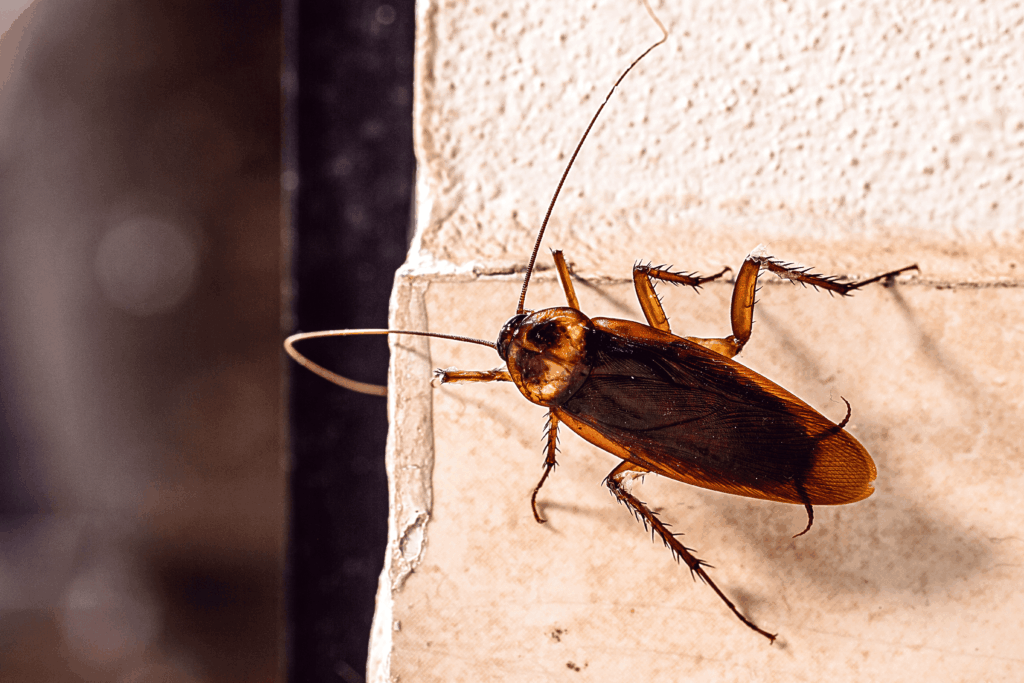
Cockroaches are one of the most resilient pests on the planet … but maybe not for the reasons you’d think. (Despite the rumors, no cockroach could survive a nuclear blast.) Their real edge isn’t toughness — it’s their fast development and cooperation.
A cockroach’s life cycle consists of three stages: egg, nymph and adult. This process is called incomplete metamorphosis:
Egg: A female cockroach produces an egg case called an ootheca, which can contain anywhere from 16 to 50 eggs, depending on the species. She’ll tuck it somewhere warm, dark and out of reach — behind furniture, inside cabinets or deep in wall crevices. Some species even carry the ootheca until the eggs are close to hatching for protection!
Nymph: Once hatched, nymphs are miniature, wingless versions of adults. They go through a series of molts — shedding their exoskeleton and growing larger each time — over the course of several weeks to months. The youngest nymphs will rarely leave their hiding spot. They instead find sustenance in poop and dead bodies of other cockroaches (yuck)!
Adult: Fully developed adult cockroaches are reproductive and mobile. For German cockroaches, the most problematic species, the entire process from egg to reproductive adult can take as little as 36 days under ideal conditions. Just like the youngest nymphs, adult female cockroaches carrying eggs will not leave their hiding spot. Unless we manage the hiding adult females, an infestation will not go away…
Fast life cycle and social behaviors among life stages are what makes cockroach infestations escalate so quickly. A single female and her offspring can produce hundreds of new cockroaches in a matter of months, and these stages remain in their hiding spots.
Bed Bug Life Cycle
Bed bugs are small, flat and exceptionally good at hiding, which is part of why infestations can spread like wildfire when left unaccounted for. The young are especially small and are nearly transparent, so infestations are also hard to catch early. Like cockroaches, they undergo incomplete metamorphosis: egg, five nymph stages and adult.
Egg: The eggs are laid on furniture where people frequently visit. They are only 1mm long and are hard to see. Eggs hatch in about a week.
Nymph: Once hatched, the nymphs will remain in their hiding spot until it is time to feed. For their first meal, they follow a trail left behind by adults to find their host. Nymphs need to feed on blood before each molt
Adult: Adults will reside in the same hiding spots where the eggs and nymphs are found. A female bed bug lays one to five eggs per day and up to 500 over her lifetime.
Unlike mosquitoes, both male and female bed bugs will feed on blood (think vampires, but much smaller and significantly less charming). Under warm conditions with regular access to a host, bed bugs can complete their development in as little as five weeks.
The challenge with bed bug control is that eggs are resistant to most treatments. Effective elimination almost always requires multiple interventions timed to catch newly hatched nymphs before they reach reproductive age. A proper treatment must reach every small crevice where bed bugs are hiding.
Termite Life Cycle
Termites aren’t your average household pest. They’re highly social insects that live in complex, structured colonies with life cycles to match. Subterranean termites are the most destructive among termites, and their life cycle is closely tied to their role in the colony.
Egg: Termites lay ovular and surprisingly sturdy eggs. They are very tiny and hard to see. During the right season, a termite queen will lay thousands of eggs per day.
“Larva”: The term ‘larvae’ for termites is used unconventionally because termites to through incomplete metamorphosis. The larvae is the youngest and undifferentiated life stage that can later molt into any of the following stages.
Worker: Most larvae will molt into workers. This is the most destructive life stage — the ones doing damage to your home. Because they are not adult insects, they molt once around every 35 days. Workers can live for about one to two years.
Soldier: Some larvae or workers will molt into soldiers. This stage has hardened head and large mandibles. They are the defenders and make up to about 5% of the colony.
“Nymph”: The term ‘nymph’ is also used unconventionally for termites. During the right season, some workers molt into nymphs. This is the intermediate stage between workers and reproductives. Fun fact- when environmental conditions are bad, some nymphs will ‘molt back’ into the worker stage!
Reproductive: There are two types of reproductives in a termite colony. The primary reproductives are winged individuals (wings are later shed away) that fly, pair up and found a colony. A termite king and queen can live for a couple decades. The secondary reproductives develop directly from workers or nymphs and never develop wings.
Complex cooperation within a colony is what makes termite the most destructive pests of structures. Termite management seeks to take advantage of their social behaviors. Infestations are also hard to detect by an untrained eye. Homeowners most commonly detect infestations when winged termites emerge- this means a colony has been established in the building for years.
Ant Life Cycle
Ants are highly social insects and arguably the most dominant group of insects. Ants undergo complete metamorphosis: egg, larva, pupa and adult. The timeline varies by species, but most ants develop from egg to adult in about six to ten weeks.
Egg: Only queens will lay eggs in an ant colony. Eggs are kept in a chamber close to the queen and are tended by the workers.
Larva: During this stage, ants depend on workers to be fed. This is the only life stage that ants can digest solid food. Therefore, workers will feed solids to their larvae, and the larvae partially regurgitate their meal to share.
Pupa: Ants are immobile and helpless during this stage. They depend on the workers of their colony for defense.
Worker: Unlike termites, ant workers are adult insects and will never molt. All ant workers are females. Their tasks are determined by age, e.g. oldest workers go out to forage for resources.
Queen: When queen ants first emerge, they have wings. They will fly, mate and shed their wings before founding a colony. Depending on species, some ant colonies will see multiple queens cooperating to found a colony. Queens produce a special chemical that prevents workers from laying eggs.
Drone: These are the only males in an ant colony. Their sole purpose is to fly with the future queen ants, mate and die. When food is scarce, a colony will stop feeding the drones, since they do not contribute to a colony’s tasks.
Like termites, ants live in colonies, which means eliminating worker ants that you see will never solve the underlying problem. You’ll usually spot worker ants first, foraging across your kitchen counter or along baseboards. But the queen, often hidden deep in the nest, is the real source of the infestation. Effective ant control targets the queen, not just the foragers.
Flea Life Cycle
Fleas might be the most underestimated household pests in terms of life cycle complexity. There are some aspects of their life cycle that makes fleas among the most difficult household pests to manage. They undergo complete metamorphosis — egg, larva, pupa, adult — and each stage presents different challenges for control.
Egg: Fleas lay their eggs on a host, which quickly fall off into the surrounding environment. In homes, eggs end up in carpets, bedding, furniture and floor cracks where a host frequently visits. These become the primary breeding ground for fleas.
Larva: The larvae of fleas will not be found on a host- they do not feed on blood either. The larvae are blind, worm-like creatures that prefers dark spaces, so they will burrow deep into their local substrate (i.e., carpet, bedding, furniture, etc). There, they feed on organic debris likeflea dirt (dried adult flea feces) and other decaying matter in their environment.
Pupa: This is the toughest stage of a flea’s life cycle. Before becoming a pupa, a larva will spin a sticky silk cocoon that camouflages itself with surrounding debris. The cocoon protects flea pupae insecticides. An emerged adult can remain dormant inside its cocoon for months without a meal, waiting for the right conditions to emerge.
Adult: This is the only stage that will be found on a host.Once emerged, adult fleas find a host, feed and can begin laying eggs within 48 hours, which restarts the whole cycle. Adults are also famous for their ability to jump extreme heights (at least relative to their body size).
Cryptic larval stage and tough pupal stage are the reason why flea treatments that only address adult fleas often fail. A thorough approach has to account for every stage in the life cycle. Otherwise, a new generation of fleas will persevere and cause nuisance.
Where Pest Science Goes Deeper
Understanding pest life cycles is a great entry point to pest management. But actually managing them? That’s a different level of expertise entirely.
If that deeper level sounds interesting, it’s time for some formal training. UF’s online Graduate Certificate in Urban Pest Management covers the biology, behavior and management of pests in urban and structural settings. And it’s fully online, so you don’t have to put your career on hold to move it forward.
UF also offers three additional online entomology graduate certificates, covering medical entomology, landscape pest management and beekeeping.
They show up uninvited, multiply faster than you’d expect and are remarkably good at avoiding detection until there’s already a problem. (Honestly, how rude.) In some cases, homeowners may not even notice a household pest infestation until it is too late — and by then, the situation is rarely a quick fix. For us to…
If you’ve ever lived in an apartment building, you might be familiar with how quickly one tenant’s problem becomes everyone’s problem. One leaking pipe on the fourth floor becomes ceiling stains on the third, a ruined floor on the second (and you don’t even want to know what happens on the first floor). Urban pests…
If you’ve ever battled a pest that refuses to leave your home, you already know the value of effective pest control. Insect pests are difficult enough to manage in your home, so imagine trying to control pests across entire farms, warehouses or parks—without harming the environment. This is exactly the challenge precision pest management aims…
If you’ve ever lived in an apartment building, you might be familiar with how quickly one tenant’s problem becomes everyone’s problem. One leaking pipe on the fourth floor becomes ceiling stains on the third, a ruined floor on the second (and you don’t even want to know what happens on the first floor).
Urban pests operate the same way. One person’s untreated bed bug or cockroach infestation can ripple through an entire building. Urban entomology is the field dedicated to understanding and managing these tiny tenants. It keeps our cities healthier, safer and far more livable than they’d be without it.
Below are seven reasons urban entomology matters today, especially as cities grow more crowded.
#1 Urban Pests Threaten Public Health
Urban entomology protects public health, both physically and emotionally, especially in places where people live close together.
Cockroaches trigger asthma. Mosquitoes spread diseases. Bed bugs cause stress and insomnia (not to mention how costly they can be to treat). In dense cities where these pests are most abundant, pests aren’t just a nuisance — they’re a public health risk.
Urban entomologists study how pests move, reproduce, spread allergens and transmit pathogens. Their insights guide hospitals, schools and public health agencies in reducing exposure, especially for people who face a higher risk, like:
Children with asthma
Older adults
Individuals living in substandard housing
Urban entomology also seeks to influence our decision on use of both cultural and chemical control. Especially for the latter, improper chemical use can both be wasteful and harmful to human health.
Pest problems don’t hit every neighborhood equally. Older buildings and overcrowded housing amplify infestations.
Urban entomology helps bridge this gap. It gives stakeholders — such as housing authorities and city planners — the data they need to design fair, effective solutions, like:
Affordable integrated pest management (IPM) initiatives
Assistance programs for bed bug remediation
Building code recommendations that limit structural entry points
There is a common misconception that urban pests only seek lower-income housing. These opportunistic pests will infest homes of any income level and thrive, when given the chance. It may simply be more apparent in lower income housing, where families cannot readily afford treatment.
#3 Pests Infiltrate the Places We Rely On
Urban entomology also matters because pests show up where people gather and depend on essential services. They’re not taking up residence in one apartment and saying, “This is nice. Let’s just stay here.” Any opening, such as ventilation tubes, electrical outlets, and cracks between walls are means for these pests to spread elsewhere.
Urban insects also disrupt:
Hospitals
Daycares
Restaurants
Hotels
Transit hubs
Food pantries
Shelters
You might not visit a hospital, hotels, or a restaurant often, but others in the city frequent these locations every day, and urban pests can cause serious problems in a hurry.
For instance, a single introduction of bed bugs in a homeless shelter can spread to dozens of beds within days. Cockroaches can spread to multiple apartment buildings when infested furniture are moved around. Lice can spread among people by sharing products like the hair brush.
Thankfully, urban entomologists help these high-traffic environments stay safe by:
Developing monitoring protocols
Training staff to identify early signs of infestation
Designing treatment plans that align with health and safety guidelines
These tools allow us to detect urban pest problems early, which makes management more efficient and effective. They also provide information important for management decision making, such as where in a building to apply treatment.
#4 Urban Entomologists Make Pest Management Safer and Smarter
For decades, urban pest control relied heavily on widespread chemical spraying. Effective? Sure. But also disruptive to ecosystems, human health and species pest control technicians didn’t mean to target.
Today, many cities and agencies follow integrated pest management, a more strategic approach that relies on:
Prevention
Habitat modification
Monitoring
Minimal, targeted pesticide use that reduces risk while still controlling the problem
Urban entomologists are the masterminds behind these plans. Their research helps determine:
When a treatment is necessary
Where pests are hiding
The least toxic method to eliminate them
Even after we have determined these factors, there are still remaining nuisance to urban pest management:
Presence of chemically sensitive individuals
Presence of children
Presence of pets
Ultimately, we seek to reduce chemical exposure while improving treatment effectiveness. Children and pets may unknowingly reach into a place that has been treated, so extra caution is warranted. Thus, for homeowners, tenants, and urban entomologists, education is a key component to a successful management.
#5 Urban Entomology Helps Cities Adapt to Climate Change
As temperatures continue to rise, pests are behaving differently. Mosquito seasons are lengthening. Termites and mosquitoes are expanding their range. Some insects are producing more generations per year, boosting population numbers in urban spaces.
Urban entomologists monitor how climate change alters pest distribution, helping cities prepare instead of simply reacting. This work influences:
Stormwater planning
Green space management
Public health advisories
Building maintenance schedules
City officials can’t control the weather, but with the right entomological data, they can plan for and control how they respond to it. This is especially important after an environmental disaster, such as hurricanes. These weather events will spread waste and debris that contain pests, and urban pests can quickly grow out of control. For example, after the Fukushima earthquake in Japan, locals have witnessed a river of fly larvae marching through the streets!
If a city is the sum of its buildings, pests are among the small cracks that weaken its framework. Left unchecked, they can turn into major issues that threaten stability. Managed properly, pests remain minor inconveniences rather than building (or neighborhood-wide) crises.
Urban entomology supports resilience by helping municipalities develop long-term strategies that keep pests — and their consequences — under control. That includes everything from rodent-proofing waste systems to designing pest-resistant landscaping around schools and parks.
#7 Urban Entomology Leads to High-Impact Careers
Urban entomologists do more than identify and remove unwanted insects from city buildings. This branch of entomology can lay the foundation for careers in other areas, like:
Professional practice of urban pest management
Educating the public and professionals through extension programs
Researching novel pest management methods
Consulting on public health policy
Designing pest management programs for large institutions
Guiding environmental compliance efforts
Working with vulnerable communities to reduce risk
It’s a field where science meets strategy, and where professionals can see the results of their work in healthier homes, safer classrooms and stronger city systems.
Turn Your Curiosity Into Impact
If the idea of solving building-wide pest problems before they spread appeals to you, urban entomology could be your next step.
At the University of Florida, our entirely online graduate programs in entomology let you explore specializations in areas like urban pest management or landscape pest management, all through flexible online coursework. You’ll learn how to identify, control and prevent pest threats using the same strategies that are shaping modern public health and city planning.
Whether you’re already in pest control, environmental services, public health or simply curious about how cities stay livable, UF’s programs can help you build the knowledge and skills that make a real difference.
They show up uninvited, multiply faster than you’d expect and are remarkably good at avoiding detection until there’s already a problem. (Honestly, how rude.) In some cases, homeowners may not even notice a household pest infestation until it is too late — and by then, the situation is rarely a quick fix. For us to…
If you’ve ever lived in an apartment building, you might be familiar with how quickly one tenant’s problem becomes everyone’s problem. One leaking pipe on the fourth floor becomes ceiling stains on the third, a ruined floor on the second (and you don’t even want to know what happens on the first floor). Urban pests…
If you’ve ever battled a pest that refuses to leave your home, you already know the value of effective pest control. Insect pests are difficult enough to manage in your home, so imagine trying to control pests across entire farms, warehouses or parks—without harming the environment. This is exactly the challenge precision pest management aims…
If you’ve ever battled a pest that refuses to leave your home, you already know the value of effective pest control. Insect pests are difficult enough to manage in your home, so imagine trying to control pests across entire farms, warehouses or parks—without harming the environment.
This is exactly the challenge precision pest management aims to solve.
What Is Precision Pest Management?
Precision pest management(PPM) is unlike traditional pest control methods, where pesticides are sprayed across large areas whether pests are there or not. This ‘area-wide treatment’ involves the use of long-lasting residual chemicals to kill insect pests that travel through a treated area. More strategic and targeted, PPM applies pesticides exactly where and when they’re needed. It’s safer, greener and a whole lot more effective.
Let’s break down the details.
Smart Monitoring: Using AI for Precise Real-Time Tracking
Modern technology has fundamentally changed how experts find and manage pests. Today, AI-powered tools allow farmers and pest specialists to pinpoint where pests are actually causing problems, without compromising healthy crops or ecosystems.
Here’s what that looks like in practice:
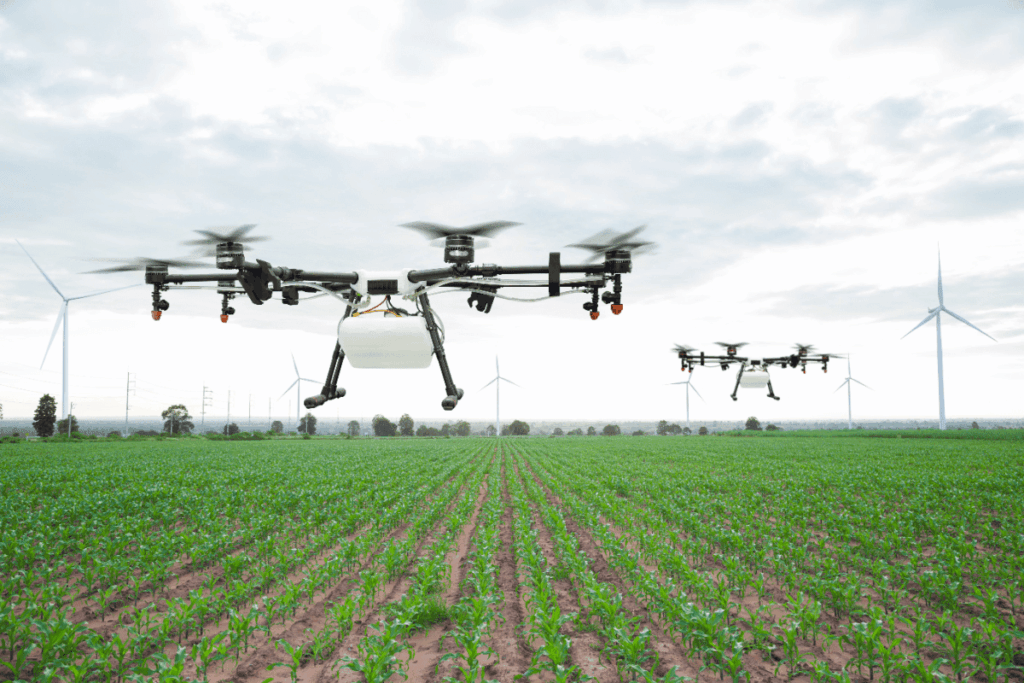
Drones Autonomous drones with advanced sensors can fly over fields and dense or remote vegetation and pick up on signs of plant stress (release of Volatile Organic Compounds), like how a canopy reflects light. This helps identify pest hotspots.
IoT sensors While drones are out in the fields, AI-driven IoT sensors are placed in key areas like crops, warehouses or restaurants—even inside walls! They can detect movement, trap triggers and temperature and humidity changes (higher temperatures can indicate pest breeding grounds).
Smart trap cameras These cameras are powered by IoT sensors and help detect subtle changes—like temperature shifts or sudden movement—and flag them in real-time.
In tandem, these tools create a highly detailed, real-time pest map. Think of it like an interactive map to spot illegal activity (but with pests instead of burglars or robbers) with continuous communication and feedback.
Alongside smart monitoring tools, pest control teams also tap into a technology that many of us use every day: GPS.
GPS (Global Positioning System) is used to find precise problem zones, not just blanket-spray fields. GPS-powered tools allow professionals to map exact infestation patterns and then tie each pesticide treatment to precise coordinates.
This brings real-time efficiency: less downtime driving around, less chemicals wasted and more targeted pest control.
What Tools Are Used in Precision Pest Management Treatment?
Your hotspots are mapped. So, what happens next?
It’s time for targeted treatments. For this step, PPM specialists are using a range of smart technologies, including:
Actuation drones These drones are sent out to precisely release pesticides, beneficial insects or even biocontrol agents into specified zones. Some of them use backpack sprays. Companies like UAV-IQ have developed drones that disperse predator insects to fight pest outbreaks naturally.
GPS-guided tractors and sprayers These smart machines use variable-rate technology to apply pesticides only where needed, which cuts chemical use, fuel and overall costs.
Robots and field robots Who says only drones have all the fun? Robots and field robots—like this agricultural bot—can move through orchards or vineyards and deploy targeted sprays or release biocontrol agents, which reduces reliance on human labor while increasing accuracy.
Feedback Loops: Making Pest Control Smarter and Safer
Feedback loops are processes that use data and technology to continuously monitor and improve pest control efforts. Unlike traditional ‘spray and walk away’ methods, PPM uses sensors and AI to constantly check results and fine-tune treatments. This is done with:
Sensors Sensors are used to monitor how pests and plants react after treatment.
Artificial intelligence AI reviews the data to pinpoint what’s going on (and what’s not).
Real-time adjustments Systems can adjust in real-time, so no area is over- or undertreated.
This real-time feedback allows for constant improvement in treatments and prevention.
What’s Next for PPM?
The global precision pest management market is expected to grow by almost 17% by 2027, and North America is poised to be the largest region of implementation. An increasing demand in pesticide-free food and advancing technology is pushing PPM to replace traditional pest control methods.
Key Takeaways
Let’s recap some of this article’s key points:
Precision pest management (PPM) uses smart technology to treat exactly the right spot at the right time.
Drones, sensors and satellites help spot pest trouble, even before it spreads.
With GPS-guided tools and robots, treatments hit targets without wasting chemicals.
PPM systems learn as they go, adjusting in real time.
PPM is a growing strategy globally, as people push for cleaner, more efficient pest control.
Turn Your Passion for Pest Control Into a Career
Imagine being the person responsible for protecting an entire citrus grove from invasive pests, maneuvering drone technology and field robots. If this kind of work fascinates you, UF’s online entomology programs might just be your next step.
Whether your passion lies in urban pest control, sustainable agriculture or environmental science, you’ll find flexible, fully online options that fit your life — even if you’re already in an established career. There’s no GRE required, and you can start in the spring, summer or fall semester.
You’ll tap into the same innovations used by UF’s Precision Agriculture Engineering team, including developing real-world solutions with NDVI mapping, smart monitoring and biological controls.
Choose our 30-credit, non-thesis master’s degree in entomology with a specialization in landscape pest management or urban pest management. Or hone your skills with one of UF’s 15-credit online graduate certificates. All programs are led by UF’s world-renowned faculty and driven by real-world research.
If you’re ready to make an impact in smart technology and pest control, UF gives you the tools and credibility to lead in the field. You’ll join a passionate community of innovators working on the front lines of smarter and safer pest control.
Spiders get a bad rap. Horror movies depict them as monsters. Memes instruct anyone who’s seen a spider to “kill it with fire.” And urban legends warn of spider-infested cacti. But look past the extra eyes and legs and you’ll see beneficial arachnids that keep your plants healthy, reduce the need for pesticides, balance ecosystems…
Every neighborhood has that one yard: lush lawn, trimmed hedges, wraparound porch. It’s the envy of everyone who drives past, but you know something? Pollinators hate it. Bees, butterflies, birds and other pollinators are essential for biodiversity and pollinating the crops that feed us. But to do their job, they need shelter and reliable food sources. Your yard could…
Spotted lanternflies are destroying crops across the Eastern U.S. These invasive pests have slashed grape harvests by up to 90% and stunted maple tree growth by half. Since arriving in Pennsylvania in 2014, they’ve spread rapidly — and they’re getting harder to kill. The good news? Scientists are fighting back with promising new weapons: parasitic wasps, bug-killing fungi and strategic habitat removal. These biological control methods could…
If Marvel made a movie about mosquitoes, the villain would be gene editing—and we’d be rooting for it.
Invasive pests cost the United States up to $21 billion per year in economic damages and healthcare costs, with bed bugs being among the costliest to eradicate. There are only a few insecticides registered for the control of many invasive pests, such as the yellow fever mosquitoes, which in turn has led to widespread insecticide resistance. Development of new control methods is warranted for the continued protection of our interests.
Let’s take a closer look at how gene editing is reshaping pest management.
CRISPR: Precision Gene Editing for Insect Control
CRISPR is a tool that cuts and tweaks DNA with extreme precision. Think of it like a pair of genetic scissors. In pest control, it’s used to:
Target genes that are essential for female fertility
Create insects that only produce male offspring
Remove pesticide-resistant genes
Only female mosquitoes bite and transmit diseases like malaria or dengue. By shifting the gender balance or preventing reproduction, scientists can quickly reduce pest populations.
Gene Drives: Hacking Inheritance to Suppress Pests
While CRISPR is used to cut into genes, gene drives can override natural inheritance. Normally, a gene has a 50% chance of being passed down from each parent. Gene drives “hack” inheritance by forcing nearly 100% transmission of a modified gene. This can collapse entire pest populations in a matter of generations.
For example, a CRISPR-based gene drive in Terni, Italy wiped out caged mosquito populations in eight to 12 generations. While more testing is needed — especially to avoid unexpected effects on ecosystems — large-scale trials are underway in Burkina Faso, Mali and Ghana through projects like Target Malaria.
How Is Gene Editing Used in the Real World?
Scientists use gene editing to control pest populations by releasing modified insects and monitoring their effects on the environment. Before releasing any gene-edited insects, however, they carefully track pest numbers, weather and possible risks like insect resistance. After release, scientists monitor everything from insect reactions to mutations. Some gene-edited insects even glow under light so they’re easier to follow!
A few real-world examples:
Oxitec (a biotech company) has partnered with UF to edit mosquitoes with a self-limiting gene, so their offspring don’t survive to adulthood.
The United States Department of Agriculture (USDA) is targeting Drosophila suzukii, a fruit fly that ruins berry crops.
Pink bollworms—the bane of cotton farmers in the Southern U.S.—have been nearly wiped out with gene editing.
Who’s Involved in Insect Gene Editing?
These breakthroughs don’t happen in isolation. It’s only when researchers, industry partners and community stakeholders collaborate that they can safely develop, test and monitor gene-edited insects and crops. Key players include:
University labs
Biotech companies
Local pest control teams
Government regulators
Global teams like Target Malaria
Risks and Ethics: What Are the Concerns About Gene Manipulation?
Despite its promising potential for public health, gene manipulation raises some concerns. Regulators worry that edited species could jump to non-target species or mutate in unexpected ways. There’s also a risk of pests developing resistance, just like they do with pesticides. (Think monster bug-repelling-and-cage-resistant mosquitoes.)
And then there’s the moral minefield: Should we be editing life forms into extinction, even if they’re pests?
While these questions don’t have easy answers, they highlight the importance of open discussion and debate as gene editing technology advances.
What We’ve Learned (and What’s Next)
To wrap up, let’s quickly review what we’ve learned about gene editing and pest control:
CRISPR and gene drives are transforming insect pest control.
Real-world projects are targeting mosquitoes, fruit flies and crop pests.
Ethical and environmental concerns remain under global review.
New methods like self-limiting gene drives are being developed to minimize risk.
Science Meets Impact With an Entomology Degree From UF
If pest control is starting to feel like more than a random deep-dive, UF’s online entomology programs are worth a closer look.
Ground beetles are beneficial insects that provide natural pest control in gardens and agricultural settings. Most species prey on common garden pests like aphids, caterpillars and slugs, helping reduce the need for chemical pesticides. And while their shiny outer shells can seem intimidating at first glance, ground beetles aren’t harmful to humans. On the contrary; they play an important ecological role…
What if the insects we’ve been trying to kill could actually save our lives? Mosquitoes, ticks and fleas spread diseases to hundreds of millions of people worldwide each year. But scientists are turning some of these pests into lifesaving tools, using them to detect cancer, stop disease transmission and improve human health in ways that…
There’s been a murder! The victim lies lifeless, and without a witness, murder weapon or DNA evidence, this case may be impossible to crack. But fear not, investigators have an unexpected ally: forensic entomologists. Today, we’re diving into the fascinating world of forensic entomology: the study of the application of insects and other arthropods found…
Picture this: You’ve been craving those mouthwatering appetizers at your favorite weekend spot all afternoon. You finally arrive, eager to dig in, only to find the restaurant’s closed. Odd, right? It was open just last week.
Upon closer inspection, you spot a notice slapped on the door—a failed health inspection. The culprit? A significant pest infestation.
Now, who’s more frustrated: you, or the restaurant owner? Hard to say. Either way, this restaurant has clearly missed the mark on one of the key aspects of maintaining a safe and welcoming environment: pest management.
But what if the owner was doing everything right? What if they were taking all the right precautions to keep pests under control, but the unique challenges of urban pest management simply proved too much? Today, we’ll dive into the specific obstacles faced by homeowners, business owners and even municipalities when it comes to managing pests in an urban setting.
Identifying Common Urban Pests
Before diving into the challenges of urban pest management, it’s helpful to know which types of creatures frequently invade city-dwelling spaces. Common urban pests include:
Cockroaches
Ants
Bed bugs
In 2021, of the 124 million housing units nationwide, 14 million households reported seeing cockroaches in their homes over the past year. Meanwhile, 14.8 million households dealt with mice or rats. Pest problems are particularly common in the Southern states, where the warm, humid climate creates an ideal environment for resilient pests like cockroaches, termites and rodents to thrive.
Key Challenges in Urban Pest Management
There are several reasons that almost 9% of households in the U.S. have dealt with pests in their homes — and that doesn’t even account for the 90% of businesses that have experienced at least one pest infestation in the past five years.
Some common denominators that make it challenging to rid urban environments of pests include:
High Population Density
It’s no surprise that cities are more densely populated than rural communities, as they house more people in a limited amount of space. In homes like apartments and high-rise condos, pests don’t have to wait for open windows to spread from property to property. Instead, they travel undetected through shared walls, ventilation systems and utility lines.
Once pests infest multiple units, managing them can become a significant challenge. Traditional extermination efforts that target one unit are often ineffective, as pests can remain in neighboring homes and easily reinvade. The most effective solution is a coordinated pest management strategy applied across entire buildings, ensuring all pests are eradicated simultaneously.
Infrastructure Issues
Projections from the Congressional Budget Office estimate that housing starts will reach approximately 1.6 million each year over the next decade. While this signals growth in new housing, it doesn’t change the reality that much of the existing residential and commercial real estate is decades old. Older buildings are particularly susceptible to infrastructure problems, such as cracks, gaps and crevices, which serve as convenient entry points and nesting areas for pests.
These structural vulnerabilities make pest control an ongoing battle in urban settings. Without addressing these issues at the source — through repairs and preventative maintenance — pests will continue to find ways to thrive, regardless of extermination efforts.
Limited Space and Resources
City living comes with undeniable perks: vibrant culture, endless entertainment options and convenient amenities. However, what urban environments gain in energy and excitement, they often lack in space. This scarcity poses several challenges for pest management:
Limited storage space Urban areas prioritize efficient use of space, leaving little room for storing pest control supplies like traps, sprays and tools. For pest control professionals, this can delay access to the necessary equipment during critical situations.
Zoning constraints Cities often enforce strict regulations on where pesticides can be applied and which chemicals can be used.
Financial constraints Rising costs of living and doing business in urban areas mean many renters and property owners delay investing in pest control services. Unfortunately, this hesitation often leads to worsening infestations, requiring more extensive — and expensive — intervention later.
Urban Pest Control: Solutions for Effective Management
There may not be a one-size-fits-all solution to managing pests in urban areas, but there are practical steps that both pest management professionals and residents can take to minimize infestations:
Keep a clean home Rather than relying solely on chemical treatments, you can prevent pests from spreading by managing waste properly and ensuring your countertops and floors are free of food debris after each meal. With fewer food sources to attract them, pests have less reason to invade your home.
Take preventative measures Seal cracks and gaps to keep pests from sneaking inside your home. Adding mesh screens to windows and vents can also deter pests like roaches and rodents from entering.
Educate the public Apartment managers can help by informing residents about effective cleaning practices and teaching them how to spot the early signs of an infestation.
Take Control of Pest Management with a Credential From UF
From the bustling streets of New York City to the serene cabins of the Blue Ridge Mountains, pests are an inevitable part of life — but that doesn’t mean they can’t be managed. If you’re ready to expand your pest management expertise beyond your own home, the University of Florida has the tools and knowledge to help you succeed.
We offer a range of specializations tailored to your interests and career goals, including:
Urban Pest Management
Medical Entomology
Landscape Pest Management
Beekeeping
Each specialization allows you to earn either an online graduate certificate or an online master’s degree, providing flexible options to match your aspirations.
A nuclear war, if it comes, will not be won by the Americans … the Russians … the Chinese. The winner of World War III will be the cockroach. — 1965 advertisement sponsored by the National Committee for a Sane Nuclear Policy
Cockroaches have an impressive win record. The Cretaceous-Paleogene extinction, which eliminated 80% of animal life, wasn’t enough for this arthropod. Neither were the other mass extinction events that culled countless animal and plant species from the Earth. Thundering through ancient forests, the Tyrannosaurs rex ultimately proved less resilient than the cockroaches that scurried underfoot.
The cockroach is known for having Rasputin-esque survivability, capable of withstanding anything from nuclear radiation to decapitation. Yet questions remain regarding how adaptable roaches really are. Will cockroaches really outlive humans?
We’ll be answering that question as well as exploring the evolutionary traits that have helped this species endure so effectively.
Can Roaches Survive a Nuclear Blast?
In short, no. The idea behind this myth likely developed after the bombing of Hiroshima and Nagasaki, when roaches were reportedly seen emerging from the rubble unscathed. However, a cockroach would not survive the intense heat of a nuclear fireball or the crushing pressure of the resulting shockwave.
Can Cockroaches Survive a Nuclear War and Become the Only Lifeform on Earth?
This question was addressed by the Discovery Channel’s “MythBusters.” In the interest of science, the MythBusters team exposed cockroaches, fruit flies and flour beetles to three levels of radiation. Flour beetles were the only insect capable of surviving a 100,000 rad (radiation absorbed dose), and the myth was declared busted.
Cockroaches have low radiation tolerance when compared to other insects. However, they still managed to survive after being exposed to 10,000 rad, which is 10 times the lethal dose for humans. The world may be inherited by flour beetles, but cockroaches would still likely outlive humans after a radioactive fallout.
Insects like the cockroach are resistant to the damaging effects of radiation because of their slow cell division. The cells of a living organism are able to repair damage caused by radiation, but they are more susceptible to damage while in the process of dividing. Insects only go through cell division prior to molting, so unless a cockroach is ready to shed its exoskeleton, it’s unlikely to be heavily affected by radiation.
How Does Cockroach Reproduction Increase Their Ability to Survive?
Humans may have been blessed with opposable thumbs, but roaches have several evolutionary advantages. According to George Beccaloni, zoologist and former curator at London’s Natural History Museum, “Cockroaches as a group are one of the most if not the most varied of all insect groups, in terms of their reproductive biology.”
A few species are parthenogenetic, meaning that they reproduce asexually. Others produce egg sacks, and others have abandoned egg cases in favor of nurturing eggs in their brood pouch.
Females of certain species literally take their offspring under their wing — their forewing, to be exact. With these diverse means of reproduction at their disposal, the cockroach is well equipped to rebound after a cataclysmic event.
Does a Cockroach’s Sense of Taste Contribute to Its Survival?
Yes — a cockroach’s sense of taste is a key part of its survival. American cockroaches are built to handle tough environments. They have 522 taste receptors, which let them tell which foods are safe and which could be harmful. On top of that, their bodies can break down toxic chemicals, even some found in insecticides. These abilities help cockroaches survive in places where other animals might not.
Can Cockroaches Survive Without Their Heads?
Yes, cockroaches can survive for weeks even after losing their heads. Their open circulatory system allows blood to clot around the neck, forming a seal that helps them stay alive. They breathe through spiracles, small openings on their bodies, and can still move and perform simple actions while headless. (We’re not going to dwell on how scientists arrived at these findings.)
What Role Do Cockroaches Play in the Ecosystem?
Will cockroaches outlive humans? Undoubtedly.
They may not be as resistant to radiation as once claimed, but roaches are hardy survivors capable of existing in extreme conditions. The cockroach species Eupolyphaga everestiana can even be found on the slopes of Mount Everest. Roaches have crawled, scurried and flown across the Earth for about 300 million years, and it stands to reason that they’ll continue to do so.
There are nearly 5,000 species of roaches, and only around 30 are known to be pests. Rarely venturing into households, these insects are a food source for a number of animals, including birds and rats. More importantly, they play an important role in the nitrogen cycle, feeding on dead and decaying matter and recycling nitrogen back into the soil. Entire ecosystems depend on decomposers like the cockroach.
Key Takeaways
Will cockroaches outlive humans? Undoubtedly. Roaches have crawled, scurried and flown across the Earth for about 300 million years, and it stands to reason that they’ll continue to do so.
Can cockroaches survive a nuclear blast? No, a roach would not survive the intense heat of a nuclear fireball or the crushing pressure of the resulting shockwave.
Why are cockroaches resistant to radiation? Cockroaches are resistant to the damaging effects of radiation because of their slow cell division. The cells of a living organism are more susceptible to damage while in the process of dividing. Insects only go through cell division prior to molting, so unless a cockroach is ready to shed its exoskeleton, it’s unlikely to be heavily affected by radiation.
Can cockroaches survive without their heads? Cockroaches can survive decapitation, due to their open circulatory systems. Headless roaches can survive weeks without food.
What role do cockroaches play in the ecosystem?
Roaches are a food source for a number of animals, including birds and rats. More importantly, they play an important role in the nitrogen cycle, feeding on dead and decaying matter and recycling nitrogen back into the soil.
Keeping Urban Pests in Check
The question of which species will remain standing post-nuclear fallout will, hopefully, remain unanswered. What’s known is that the qualities that make roaches a successful species also make them a difficult pest to control, especially their resistance to ingredients found in insecticides. By implementing integrated pest management (IPM) strategies, however, professionals in the field of entomology can prevent and exclude these pests in places where they have the most impact on human health and wellness.
The University of Florida offers an online entomology master’s degree and an online entomology graduate certificate, each with four specialization options, one of which is urban pest management. Courses like Principles of Urban Pest Management empower students with the knowledge needed to manage cockroaches and other urban pests, including blood-sucking insects and stored food pests. Apply to one of our online entomology programs to help ensure that insects like the cockroach wait their turn before inheriting the planet.
Contrary to popular belief, not all insects are solitary creatures. In fact, some of them are quite social. An ant finds a dropped cracker and returns with reinforcements. A honey bee comes home and performs a dance containing directions. (Seriously, it’s a thing.) Thousands of termites construct enormous nests without anyone handing out blueprints. So,…
Living in Florida, I’m all too familiar with mosquitoes. They’re practically an unofficial state mascot. But lately, I’ve been paying a lot more attention to them. In 2026, Hillsborough County became the center of Florida’s largest dengue fever outbreak in decades. For me, the outbreak hit especially close to home when a neighbor told me…
Zombies. Mind control. Creatures that burst out of other creatures. Horror writers have spent centuries dreaming up increasingly disturbing ways to keep us awake at night. Meanwhile, insects have been casually doing all of the above in forests, gardens and possibly somewhere uncomfortably close to your house. From wasps that walk cockroaches to their doom…
The Concrete Jungle: How Urban Pests Impact Human Life
The boundaries separating modern humans from nature continue to blur as urban sprawl continues across woodlands, grasslands and wetlands. Rather than give up their homes, the insect occupants of these habitats are moving in alongside their new human neighbors. Many of the insects we share our homes and cities with are well known, including cockroaches, mites and mosquitoes, but we may be less familiar with the incredible impact these pests have on human life. From the air we breathe to the beds we sleep in, there are few aspects of life untouched by insects and arthropods, and it’s not always for the better.
Asthma and Allergic Reactions Approximately 19.2 million adults and 5.5 million children in the United States have asthma, according to the Centers for Disease Control and Prevention (CDC). Children with asthma are often socioeconomically disadvantaged and live in urban areas, where exposure to indoor allergens, including cockroaches, dust mites and rodents, leads to higher morbidity rates. Recently, researchers have identified dust mites as the most commonly reported allergy among adolescents, while allergies to cockroaches and mice cause more frequent hospitalizations.
Dust mites and cockroaches can invade homes through the smallest of cracks and holes, leaving body parts and droppings that trigger allergic reactions in children and adults. Parents of children who have had asthma can find their children coughing and wheezing as a result of being exposed to these pests. Symptoms can be treated with medications, but pests will need to be managed to stop the problem at its source. Moreover, as evidenced by the disproportionate number of underprivileged groups affected by pest allergens, it’ll take a community approach to mitigate this issue.
Vector-Borne Diseases Mosquitoes aren’t the only blood-feeding arthropods you have to worry about. Bed bugs, fleas, ticks, mites, lice and flies are all urban pests that feed on human blood. Many of these pests may seem like little more than a nuisance — only cats and dogs have to worry about fleas, right? However, their appetite for human flesh means that a bite could transmit a vector-borne disease. For example, fleas can transmit the plague after moving from a rodent to a human host. Far removed from medieval Europe, it’s hard to imagine encountering the bubonic plague in everyday life, but approximately seven human plague cases are reported in the United States every year.
Vector-borne diseases that are traditionally associated with rural transmissions, including malaria, Chagas disease and sleeping sickness, are increasingly popping up in urban environments. Cases of vector-borne diseases will only continue to grow as urbanization, globalization and the human population grows. Half of the world’s population currently lives in cities, with 2.5 billion more people on the way. Developing countries must contend with urban sprawl, overcrowding and poor infrastructure that not only affects the spread of vector-borne diseases but also hinders the detection and control of outbreaks. In developed countries like the United States, the pressure is on to create reliable surveillance and control strategies to predict and prevent epidemics like the 2017 Zika outbreak.
Economic Loss In addition to the significant harm urban pests can inflict on human health, there’s also the extensive damage they can inflict on homes, factories, hospitals and property. A prime example is the Pharaoh ant, a home invader that can neither sting nor bite. However, what this urban pest lacks in offensive capabilities, it more than makes up for with its destructive capabilities. Pharaoh ants are the most difficult household ant to control due to their ability to survive most household pest control treatments and their habit of nesting in inaccessible areas. Pharaoh ants have been known to penetrate the most secure of facilities, including recombinant DNA laboratories, so imagine the difficulties a family must endure when trying to exclude these six-legged invaders.
Once urban pests like Pharaoh ants, bed bugs and lice make themselves at home, they can be notoriously difficult to remove. For example, a bed bug infestation may result in a hotel losing money on replacement bedding and furniture, structural cleaning and insurance claims. While large businesses and hotel chains may be able to shrug off these costs, that’s simply not a reality for families dealing with a pest infestation. For poor families disproportionally affected by pests, paying hundreds of dollars to treat an infestation may not be an option.
Urban Pest Management In order to protect people from the health and economic risks pests present, entomologists must consider all aspects of pest management. Integrated pest management (IPM) is a rational decision-making approach that relies on a combination of best practices, such as setting action thresholds and applying pesticides judiciously. This approach is ideal for use in cities, as it requires entomologists to consider the needs of the public and involve them in pest management. By surveying potential insect threats and encouraging the public to participate in vector prevention and control, entomologists can help mitigate and outright prevent potentially deadly outbreaks.
The University of Florida offers an online entomology and nematology master’s degree and graduate certificate, each with three specialization options, one of which is urban pest management. Courses like Biology and ID of Urban Pests, Principles of Pesticides and Principles of Urban Pest Management empower students with the knowledge needed to prevent and exclude pests in places where they’re most impactful on human health and wellness. Apply to one of our online entomology and nematology programs to learn how to offer your pest management expertise where it’s needed most.