What Are Nematodes? The Good, the Bad and the Harmful
Nematodes are microscopic roundworms found almost everywhere on Earth, from soil and water to plants, animals and even humans. And while the word “worm” may not exactly inspire warm feelings, most nematodes are harmless — and many are actually beneficial.
Free-living nematodes help recycle nutrients and support healthy soil, while other species feed on plants or live as parasites in humans and animals.
So, are nematodes good or bad? The answer is: both. Below, we’ll look at the beneficial nematodes that help ecosystems thrive and the harmful ones that can damage crops or cause disease.
Are Nematodes Good or Bad?
Most nematodes aren’t harmful. Many live freely in soil and water, where they contribute to decomposition and nutrient cycling. Others are beneficial predators that feed on pests. However, some nematodes are parasites that can damage plants or infect humans and animals.
Overall, whether a nematode is “good” or “bad” depends largely on the species and what it feeds on.
How Beneficial Nematodes Support Soil Health
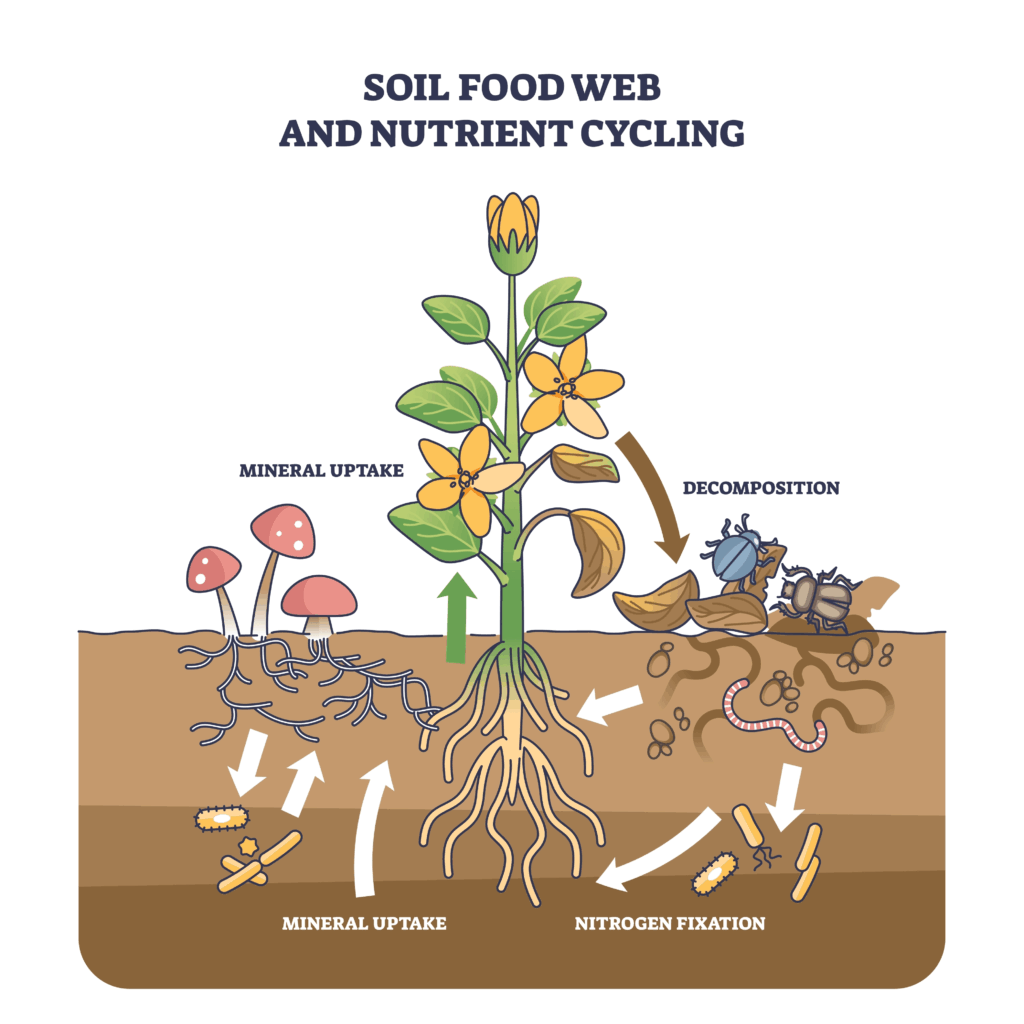
Most nematodes are considered free-living, meaning they function at several trophic levels of the soil food web and act as both prey and predator for other creatures. Free-living nematodes are some of nature’s most vital decomposers, recycling minerals and nutrients from bacteria, fungi and other substances back into the soil.
These unsung heroes contribute to soil health in several key ways. Nematodes:
Mineralize nitrogen, making it available for plants to produce chlorophyll and conduct photosynthesis
Support healthy crops, since without them, fields would struggle to convert sunlight into energy
Balance microbial communities by helping beneficial microbes thrive and keeping harmful ones in check
How Plant-Parasitic Nematodes Damage Crops
Plant-parasitic nematodes don’t feed on bacteria, fungi and other microorganisms like free-living nematodes. Rather, they feed on plant roots by using their needle-like mouthparts, known as a stylet, to puncture plant cells and ingest plant fluids.
As you can imagine, this process isn’t ideal for plant health. Unable to obtain water and nutrients through their damaged roots, affected plants:
Become yellow
Appear withered and stunted
Eventually die
What Are Root-Knot Nematodes?
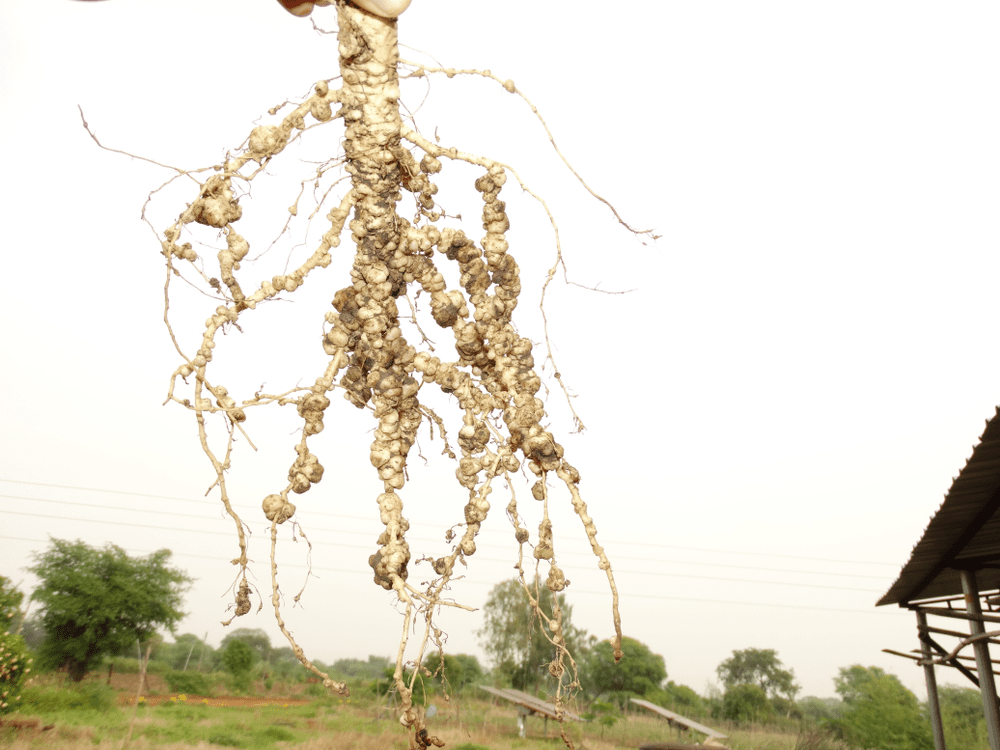
One of the most destructive plant parasites is the root-knot nematode. Unlike ectoparasitic nematodes that feed on plant roots from the outside, root-knot nematodes enter the roots and feed from within.
This aptly named parasite injects hormones into plants that cause large, deformed galls (knots) to form throughout root systems. Below the ground, root-knot nematodes feed off of the enlarged roots, while above the ground, the plant wilts and possibly dies.
Plant-parasitic nematodes like the root-knot nematode cause an estimated $125 billion in global crop losses annually. However, the damage caused by nematodes that infect humans is far worse.
Can Nematodes Infect Humans?
Intestinal nematodes are estimated to affect 3.5 billion people worldwide and cause approximately 125,000 deaths per year. They include:
Hookworms
Whipworms
Pinworms
Threadworms
Common symptoms of infection include diarrhea, abdominal pain and intestinal obstruction; however, nematode infections can result in far more serious conditions, such as anemia.
The majority of people infected with parasitic nematodes live in developing countries, where overcrowding, poor housing and a lack of sanitation lead to increased infection rates. Although intestinal nematodes thrive in tropical climates and developing countries, infections can also occur in developed countries like the United States.
Filarial Nematodes and the Diseases They Cause
Filarial nematodes are thread-like worms spread through insect bites that mature and mate in host tissues. Infection with these parasites can lead to two serious tropical diseases:
Lymphatic filariasis (elephantiasis): Transmitted via mosquito bites, the nematodes migrate to the lymphatic system. When they die, they cause intense, painful inflammation in the limbs and groin, and those infected can face physical, mental, social and financial challenges.
Onchocerciasis (river blindness): Transmitted through the bite of blackflies, these nematodes produce thousands of juveniles daily. The juveniles migrate to the skin and eyes, causing rashes, skin nodules and potentially blindness.
Living With Nematodes
For better or worse, nematodes aren’t just in the soil; they’re sharing their planet with us. Understanding how they operate helps us appreciate how they, and other tiny organisms, impact the world around us.
Scientists are exploring new and effective ways to manage nematodes, from natural biological controls to studying how diseases spread.
Curious about these microscopic worms and how they’re helping (and harming) the way we live life on Earth? UF’s online entomology and nematology programs are a great place to start exploring this hidden world.
Spiders get a bad rap. Horror movies depict them as monsters. Memes instruct anyone who’s seen a spider to “kill it with fire.” And urban legends warn of spider-infested cacti. But look past the extra eyes and legs and you’ll see beneficial arachnids that keep your plants healthy, reduce the need for pesticides, balance ecosystems…
Every neighborhood has that one yard: lush lawn, trimmed hedges, wraparound porch. It’s the envy of everyone who drives past, but you know something? Pollinators hate it. Bees, butterflies, birds and other pollinators are essential for biodiversity and pollinating the crops that feed us. But to do their job, they need shelter and reliable food sources. Your yard could…
Spotted lanternflies are destroying crops across the Eastern U.S. These invasive pests have slashed grape harvests by up to 90% and stunted maple tree growth by half. Since arriving in Pennsylvania in 2014, they’ve spread rapidly — and they’re getting harder to kill. The good news? Scientists are fighting back with promising new weapons: parasitic wasps, bug-killing fungi and strategic habitat removal. These biological control methods could…