Gene-editing tools. Pest-fighting flies. Insect behavior breakthroughs. 2025 kept entomologists on their toes.
But 2025 also brought serious setbacks. Insect decline continued, especially for pollinators like honey bees. The stinging Asian needle ant has now spread to at least 20 states, and the spotted lanternfly has invaded Virginia.
On the bright side, AI and drones are changing how scientists study insects, helping them map outbreaks, track migrations and flag pest threats at record speed.
So, what’s next for entomology? Let’s break down seven trends making headlines in 2026.
#1 Advancements in Gene Drives
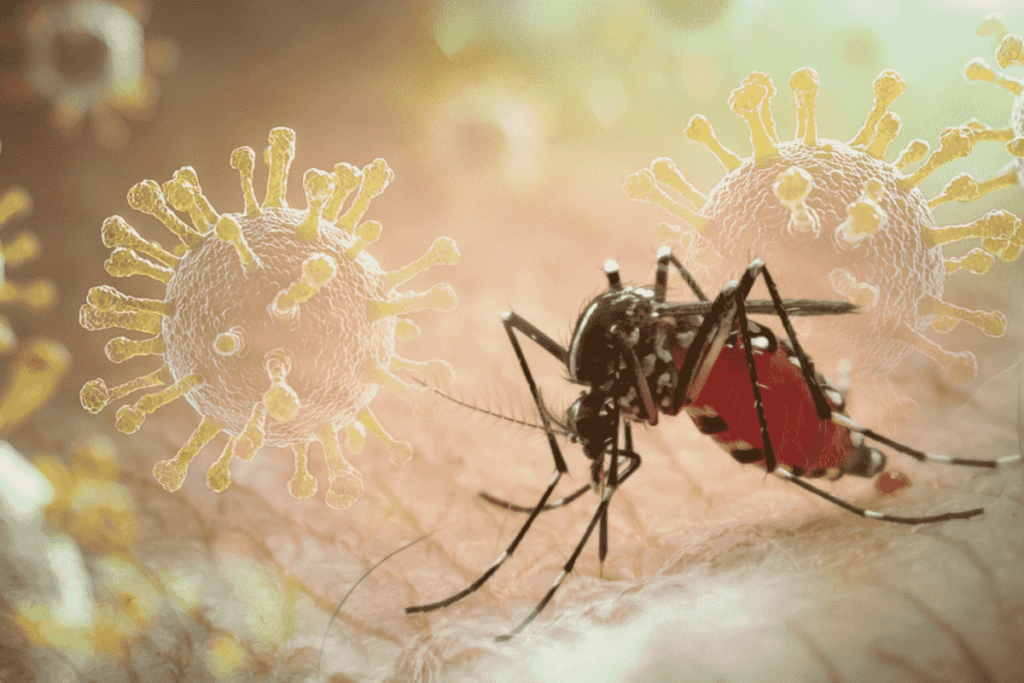
Gene-editing tools like CRISPR-Cas9 are becoming powerful weapons in the fight against insect-borne diseases. Researchers in Africa are developing gene-drive mosquitoes that can spread anti-malarial genes through wild populations (though they faced pushback in 2025 due to ethical concerns).
Despite these challenges, researchers are advancing gene-drive technology on multiple fronts.
A UK-Tanzanian program called Transmission Zerohas created mosquitoes that can resist the malaria parasite. The team plans to have a gene-drive field trial application ready by late 2026, which could pave the way for controlled releases by early 2027.
Robots and drones are literally taking flight across the world’s farms.
In 2025, researchers in Pakistan launched solar-powered smart traps that lure insects, photograph them and use onboard AI to identify pests with up to 94% accuracy. The system even sends farmers real-time SMSalerts with species breakdowns and weather-based predictions for outbreaks.
As costs drop and connectivity improves, expect wider deployment in 2026. AI and drones are now being used for:
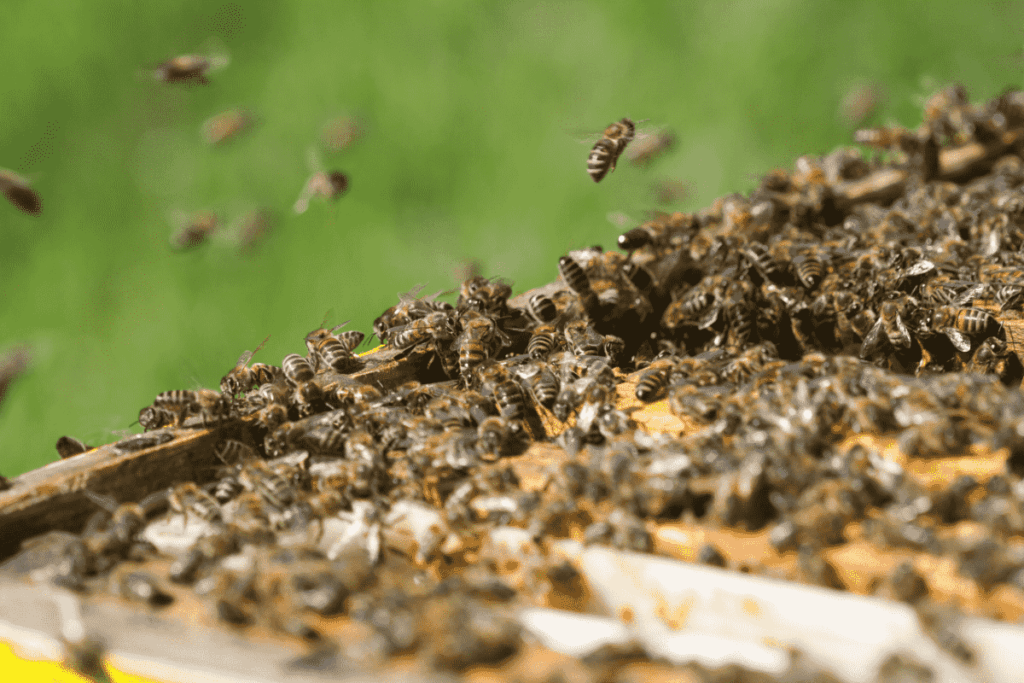
The line between entomology and biotechnology keeps blurring. In early 2023, the U.S. approved the world’s first vaccine for honey bees to protect colonies from American foulbrood — a disease that once forced beekeepers to burn entire hives. By 2025, field trials expanded worldwide, marking a turning point in beneficial insect health management.
If successful, this breakthrough could pave the way for future vaccines and immune-priming tools for other vulnerable pollinators and agricultural species.
Meanwhile, on the frontier of human medicine, biotech firms are exploring how to use insect cells to develop vaccines and gene therapies for humans. The future of medicine may just have six legs.
#4 Inside the Insect Mind
Understanding how insects think could impact everything from pest control to robotics. This year, scientists are getting closer thanks to the growing field of insect neuroethology.
In 2026, scientists are using new tools that let them monitor insect heart rates and stress levels on video without touching them. Whether they’re studying honey bee anxiety or spider temperature responses, researchers are learning how insects process and react to their environment in real time. This research will have major implications for:
Maggots are eating trash to fight climate change … and supply is high.
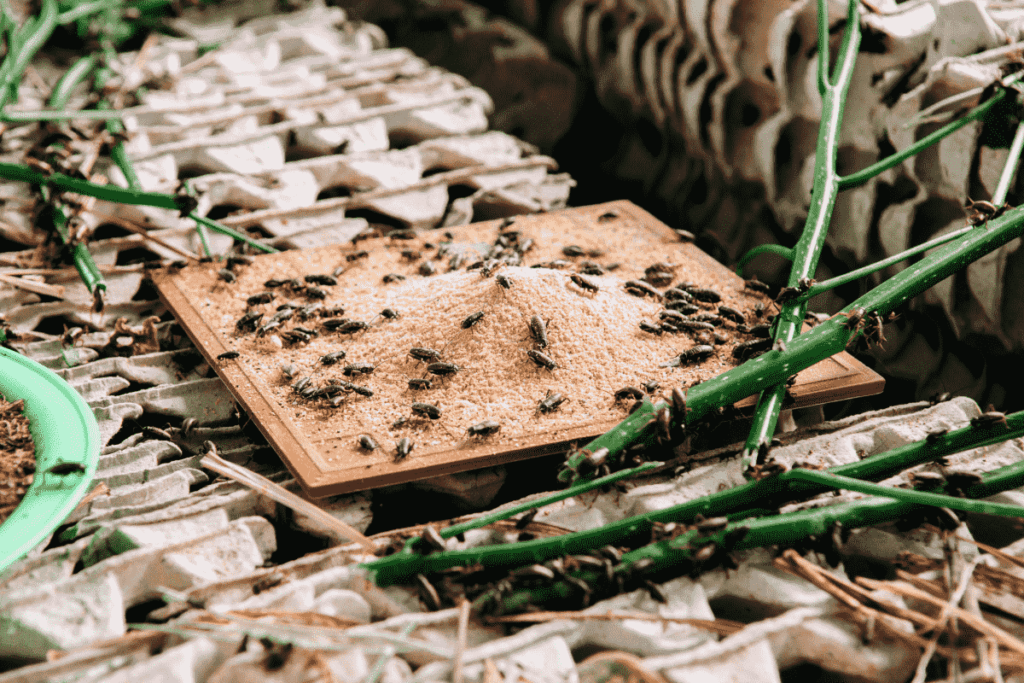
In France, the world’s largest black soldier fly facility now raises 10 billion larvae at a time, converting food waste into animal feed using AI, robotics and waste heat from a nearby factory.
#6 One Health Links Insect Conservation to Human Health
The One Health movement recognizes that human health is inseparable from the health of animals, plants and ecosystems. As insect populations decline by an average of 6.6% per year — even without human interference — insect conservation is becoming essential to maintaining that balance. The framework unites:
Medical and veterinary sciences
Environmental sciences and insect ecology
Public health and education
Beneficial insects pollinate our crops and ensure soil stability. Protecting insect biodiversity is essential to safeguarding global health systems.
#7 Insects Reveal Climate Change Impacts in Real Time
Insects are nature’s early warning system for climate shifts. A 2025 study found that insects are highly sensitive to even the slightest temperature changes, which is a major driver in their decline.
In 2026, scientists will start using insect DNA and movement as real-time indicators: radar tracking of migrating moths, DNA sampling from air and soil and behavior-based climate stress models.
Recap: Key Points
Entomology is becoming an interdisciplinary field, blending insect ecology with biotechnology, climate science and AI.
Here’s what to look out for in 2026:
Gene editing and reversal drives are transforming pest control.
Behavioral research is revealing how insects think and adapt.
Vaccines and biofactories will boost insect health and sustainability.
The One Health movement links insect ecology with public health.
AI and drones will power everything from smart traps to swarm robotics.
Lead the Next Revolution in Entomology
Whether you’re drawn to gene-editing, pollinator conservation or decoding insect intelligence, your future in entomology starts here.
The University of Florida offers the nation’s top-ranked, 100% online entomology graduate programs, placing you right in the center of discovery. Study anytime, from anywhere — even if you’re raising bee hives or chasing butterflies on another continent.
Sound like your kind of journey? Make 2026 the year you begin. Explore UF’s online graduate programs in entomology and apply to join the next generation of scientists shaping the planet’s future.
If Marvel made a movie about mosquitoes, the villain would be gene editing—and we’d be rooting for it. Invasive pests cost the United States up to $21 billion per year in economic damages and healthcare costs, with bed bugs being among the costliest to eradicate. There are only a few insecticides registered for the control…
Insects, like humans, have a rich microbiome that plays a crucial role in their digestive and overall health. This community of microorganisms, including bacteria, viruses, fungi, archaea and protozoa, are known as “symbionts.” They work together to provide life-saving and species-perpetuating benefits to their hosts. Discovery and Importance While the human gut microbiome was first…
Do you ever wish you had an army of tiny critters working tirelessly in your garden, devouring harmful pests and enriching your soil — without asking for anything in return? Meet the ground beetle, one of Mother Nature’s pest control agents. These mini but mighty insects are hard at work in gardens, forests and fields,…