From Snow Fleas to Ladybugs: How Do Insects Survive the Winter?
If you think winter means an icy backyard empty of critters, think again — at least when it comes to insects. Many disappear, but that doesn’t mean they’ve vanished. Some hunker down in hiding, some slow their metabolism and a few even thrive in the cold. Understanding what happens to insects in winter isn’t just interesting. It can help gardeners, homeowners and curious science lovers protect their homes from insects looking to move indoors this winter.
Today, we’re taking a closer look at:
Cold-weather insects
Insects’ winter survival strategies
How to protect your home from pests during the chilly months
Do Insects Like Cold Weather?
Short answer: Most don’t. Insects are ectothermic, meaning they rely on external temperatures to regulate their body heat. When the mercury drops, their metabolism slows.
But cold weather doesn’t always mean death. Many insects have adapted clever strategies to survive. Some dig into the soil, others take shelter under bark and a few species enter a form of dormancy called diapause, or the insect equivalent of hibernation.
So yes, insects can survive cold weather — but they usually prefer to stay out of the frost.
What Kind of Bugs Live in the Cold?
Some species actually thrive when temperatures drop. These insects have unique physiological adaptations that let them tolerate freezing or near-freezing conditions:
Snow fleas (Hypogastrura nivicola) survive on snow surfaces thanks to antifreeze proteins in their bodies. They can stay active at temperatures just above freezing.
Arctic woolly bear moths (Gynaephora groenlandica) spend most of their lives as caterpillars, taking up to 14 years to mature. During the winter, they freeze completely solid. Come spring, they thaw and carry on as if they weren’t just insect popsicles.
Ants and beeshuddle in large colonies or hives, generating warmth collectively. In extreme cold, they scale back activities like foraging and brood care, relying on stored food to survive.
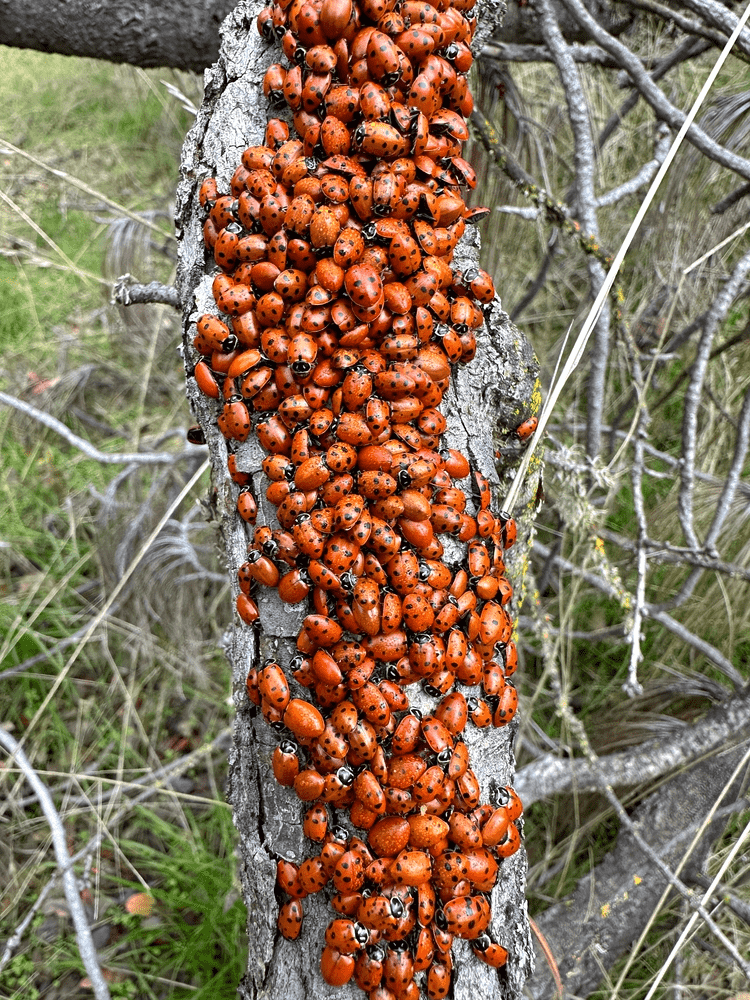
Ladybugs seek shelter in crevices or indoors. They cluster to conserve heat, and while their polka dot exteriors are adorable, seeing dozens huddled together can be quite a surprise.
These strategies illustrate how evolution equips even tiny creatures for survival against harsh winters.
4 Types of Common Winter Pests
Not all winter insects are welcome indoors. In fact, most aren’t. But these four pests really exploit the cold to seek warmth, food and shelter:
Rodent-associated insects: Fleas and carpet beetles often hitch a ride when mice move indoors. Once inside, they can bite, damage fabrics or contaminate food.
Spiders and silverfish: These critters are frequently found in basements, closets and attics. They thrive in dark, damp spaces and may leave webs, damage paper or simply startle you when spotted (possibly the most grievous offense of all).
Cockroaches: Certain species stay active even in cooler indoor climates. They’re hardy, reproduce quickly, are difficult to kill and can carry allergens or bacteria.
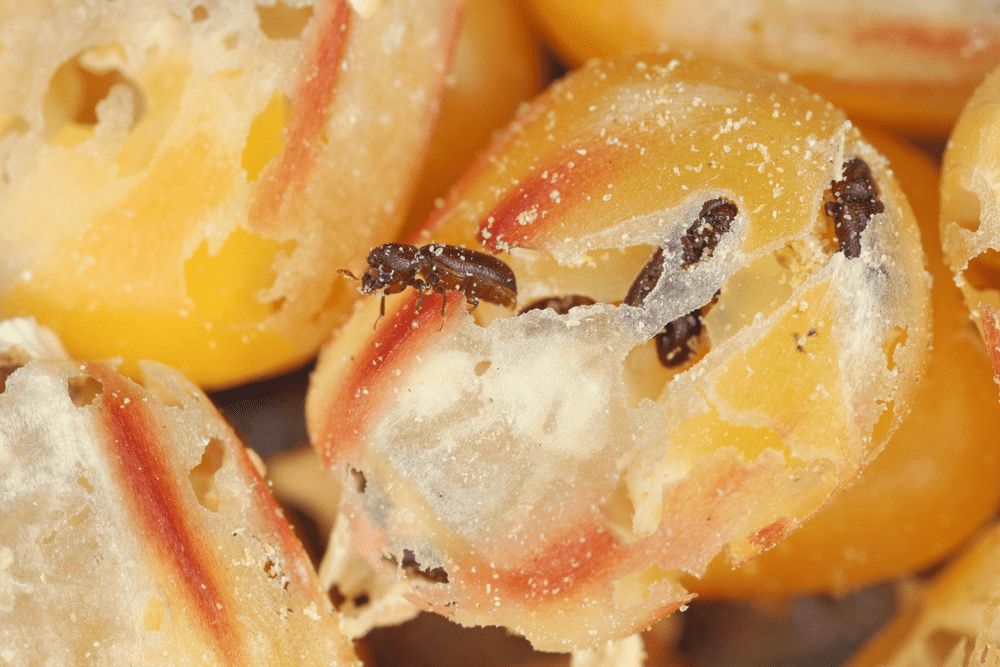
Pantry pests: Moths, weevils and grain beetles may invade stored food when temperatures drop outside, taking advantage of cozy indoor pantries.
Even though these bugs aren’t visible in the snowy garden, they may find your home to be the perfect cozy winter retreat.
Protecting Your Home from Winter Pests
Keeping bugs out during winter is mostly about removing shelter and food opportunities:
Seal cracks and gaps Check windows, doors and foundation cracks to prevent entry. Use safe barriers like weather stripping, door sweeps and window screens.
Store firewood properly Keep it away from walls; stacked wood can harbor beetles and spiders.
Clean regularly Vacuum and wipe down surfaces to remove crumbs, pet food or insect eggs.
Check indoor plants Soil can be a hiding spot for some insects, like snow fleas.
Do Insects Hibernate?
Technically, most insects don’t hibernate like mammals (sorry — they’re not participating in long cave naps like big, fuzzy bears). Instead, they enter diapause, a state of suspended development with slowed metabolism.
During diapause, insects:
Store energy as fat in their bodies
Produce antifreeze chemicals to prevent tissue damage
Seek protected environments like soil, leaf litter or bark
Some bugs, like ladybugs, stay partially active, taking advantage of brief warm periods to feed or move indoors. Others, such as mosquitoes, die off, leaving eggs or larvae that will emerge in spring.
Winter Insects FAQ
Looking for a quick recap? Here are all the details on what really goes on with insects during those cold winter months:
What happens to insects in the winter? Some die off, leaving only eggs or larvae to emerge in spring. Others shelter in soil, leaf litter, bark or indoor crevices, while some remain active in warm microclimates.
How do bugs survive the winter? Most insects don’t truly hibernate. Instead, they enter diapause, slowing development and metabolism. They store energy in fat, produce antifreeze chemicals to protect tissues and seek out protected environments.
Are cold-weather insects dangerous? Most are harmless, but indoor winter pests like spiders or cockroaches can be nuisances.
Explore the Science Behind Insects (and Turn It Into a Career)
Curious about the science behind insect adaptation and survival (and pest management strategies on a larger scale)? The University of Florida, proudly ranked #1 in entomology and nematology worldwide, offers four distinct online entomology graduate programs:
Medical Entomology Study the biology and control of disease-carrying insects, preparing for careers in public health or research.
Beekeeping Explore the science and management of honey bees, pollination and hive health.
Urban Pest Management Learn strategies to manage pests in cities and residential areas, focusing on environmentally responsible solutions.
Landscape Pest Management Gain expertise in identifying and controlling pests that threaten turf, ornamental plants and landscapes.
Depending on your goals, you can pursue a graduate certificate or a master’s degree online in your chosen specialty. You’ll deepen your knowledge in insect biology, ecology and management, gaining the skills to tackle real-world challenges.
Align your passions with the right program and get ready to make an impact wherever your curiosity and skills take you.
Gene-editing tools. Pest-fighting flies. Insect behavior breakthroughs. 2025 kept entomologists on their toes. But 2025 also brought serious setbacks. Insect decline continued, especially for pollinators like honey bees. The stinging Asian needle ant has now spread to at least 20 states, and the spotted lanternfly has invaded Virginia. On the bright side, AI and drones…
If Marvel made a movie about mosquitoes, the villain would be gene editing—and we’d be rooting for it. Invasive pests cost the United States up to $21 billion per year in economic damages and healthcare costs, with bed bugs being among the costliest to eradicate. There are only a few insecticides registered for the control…
Insects, like humans, have a rich microbiome that plays a crucial role in their digestive and overall health. This community of microorganisms, including bacteria, viruses, fungi, archaea and protozoa, are known as “symbionts.” They work together to provide life-saving and species-perpetuating benefits to their hosts. Discovery and Importance While the human gut microbiome was first…