Are Ladybugs Good for Your Garden? 5 Benefits of Ladybugs
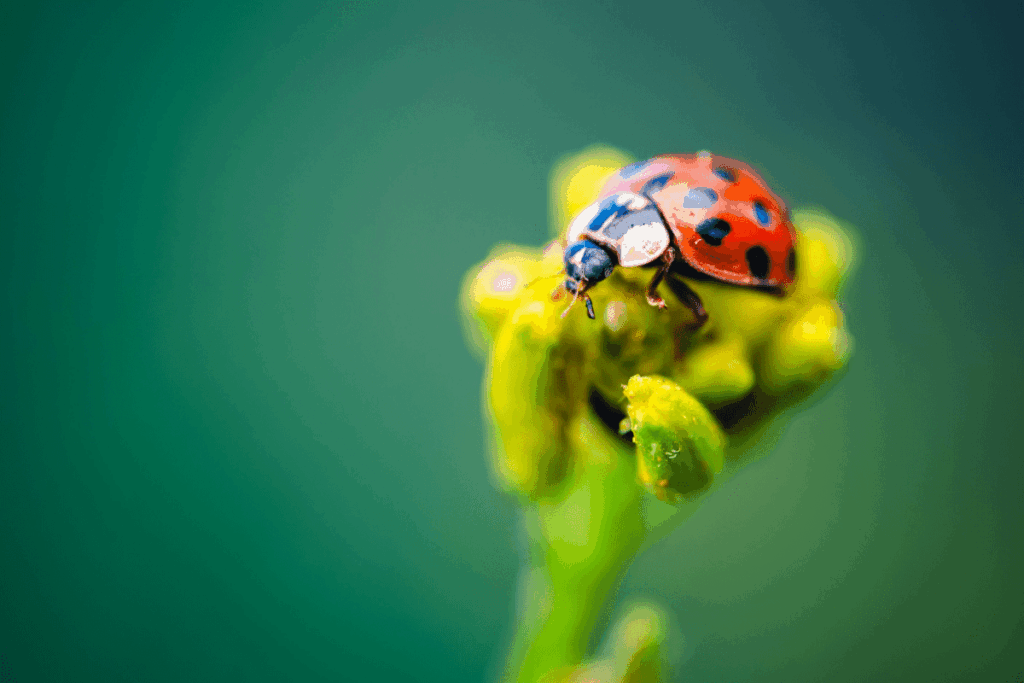
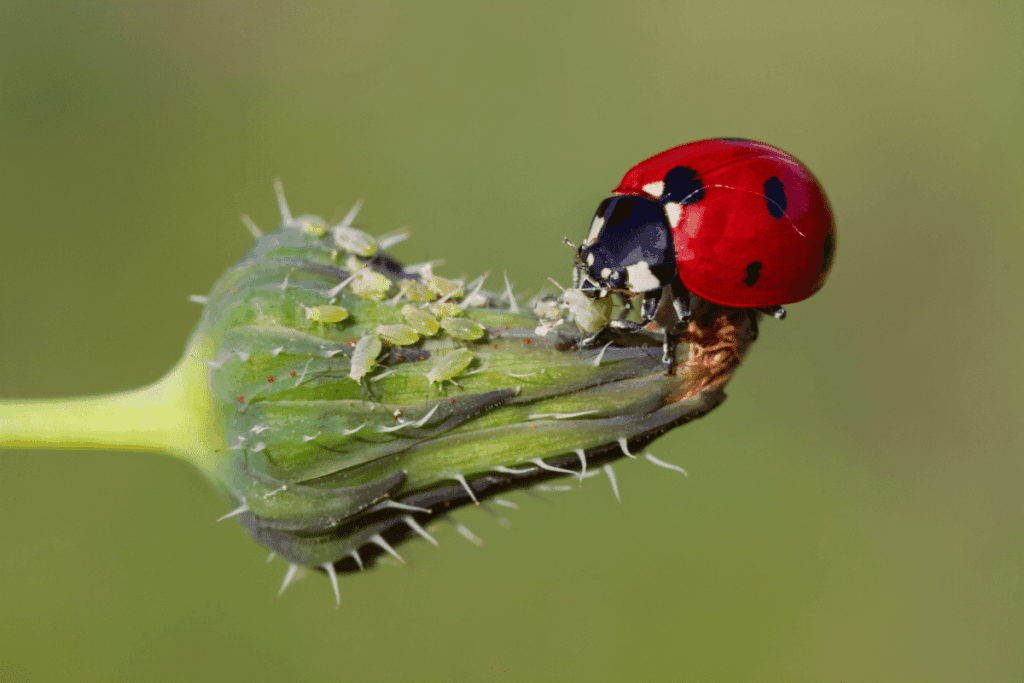
Yes, ladybugs are good for your garden. These small but mighty predators feed on aphids and other plant-damaging pests, making them a useful form of natural pest control. Some species also eat pollen or nectar, giving them another reason to stick around your plants.
Ladybugs have had pretty good PR for as long as most of us can remember. Spot one, and someone’s bound to tell you it’s good luck. And if that ladybug happens to be hanging out in your garden? Well, there might actually be something to the hype.
So, what makes ladybugs beneficial? Let’s look at five ways they can support your garden and the ecosystem around it.
#1 Ladybugs Provide Natural Pest Control
These ruby red insects may look like dainty aristocrats who take their afternoon cuppa with two sugar cubes and a splash of cream, but don’t let their charming, oval-shaped exterior fool you. Ladybugs love to eat.
While they enjoy the occasional sip of nectar or nibble of pollen, a large portion of their diet consists of consuming unwanted garden pests. In fact, they can devour up to 5,000 insects throughout their lifetime, proving themselves to be an extremely helpful natural form of pest control.
#2 Ladybugs Eat Aphids and Other Pests
So, what do ladybugs eat? Like most humans, many species of ladybugs have a preferred food source. Generally, that’s aphids. Mature ladybugs can consume upwards of 25 aphids each day. This is particularly beneficial for farmers and gardeners, as aphids are small insects known for extracting juices from plant leaves, often leading to discoloration and hindering the plants’ growth.
However, ladybugs don’t consume aphids exclusively. Most will gladly rid your garden of several other unwanted pests as well, including mealybugs, mites and fruit flies.
#3 Ladybug Larvae Eat Garden Pests, Too
Like butterflies, ladybugs go through several stages of metamorphosis. They begin as eggs, progress to larvae and eventually pupae before reaching their final stage in the lifecycle as adults.
While it’s true that adult ladybugs can feast on two dozen aphids in a day, it’s during the larval stage that their appetite for aphids truly shines. Ladybugs in this early stage of development consume the most aphids, devouring about 10 times more than their mature counterparts. This makes ladybug larvae incredibly useful to individuals seeking natural pest removal strategies for their plants.
#4 Ladybugs Contribute to Pollination
How do ladybugs help with pollination? Although they aren’t major pollinators like bees or butterflies, some species do visit flowers to feed on pollen or nectar. As they move from flower to flower, they may transfer small amounts of pollen along the way.
Still, pollination isn’t what ladybugs are best known for. Their biggest contribution to the garden is pest control, thanks to their appetite for aphids and other insects that can damage plants.
#5 Ladybugs Indicate a Healthy Ecosystem
So, what does it mean if you see ladybugs in your garden? They’ve likely found something they need, whether that’s food, flowers or shelter. And because many ladybug species feed on common garden pests, their presence is generally a welcome sign.
It doesn’t necessarily mean your garden is perfectly balanced, but it can indicate that you’ve created an environment where beneficial insects are able to live their best six-legged lives.
How Can You Attract Ladybugs to Your Garden?
Want more ladybugs to stick around? Start by giving them the things they’re looking for. A variety of flowering plants can provide extra food sources, while mulch, leaf litter and other sheltered areas give them places to hide.
It’s also a good idea to limit broad-spectrum pesticide use when possible. After all, pesticides designed to kill unwanted insects can also affect the beneficial ones you want to keep around.
Dive Into the World of Insects at the University of Florida
Whether you’re currently working in the pest industry or you’re simply fascinated by natural pest control methods available and want to learn more, the University of Florida offers several online graduate programs centered around landscape and urban pest management.
Graduate Degrees
Our Master of Science is a customizable 30-credit online program, allowing you to earn not only a Master’s Degree in Entomology and Nematology but also a graduate certificate in one of four specializations, including:
Agriculture has a workforce most people never see (and no, it’s not just agronomists or agricultural engineers). It’s insects. Quietly and consistently — without paychecks or benefits — insects pollinate crops, control pest populations and help food systems function. Understanding their role goes beyond appreciation. It’s a reminder that biodiversity in agriculture depends on more than what we plant in the field. …
Insects can’t be trained — at least not in the way you’re thinking of. No pats on the head for fetching a tiny ball or flying to a certain spot on command. But research on hoverflies is challenging what entomologists thought they knew about insect learning. These small, bee-mimicking insects are helping researchers understand how visual information shapes decision-making…
Disaster preparedness planning usually focuses on evacuation routes, emergency supply kits and shelter plans. Insects rarely make the list. But after a hurricane or flood, insect populations aren’t waiting for communities to catch up. Mosquito numbers spike. New breeding sites appear overnight. Disease risks increase. That’s why entomology plays a crucial role in emergency management planning. By monitoring insect populations and identifying potential disease…