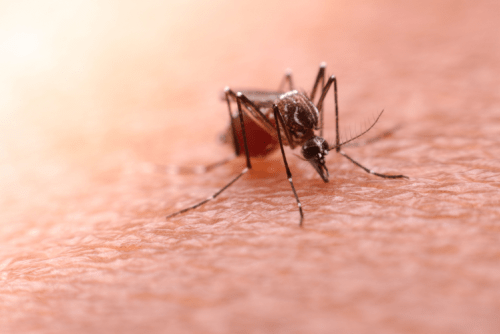
How the U.S. Prevents the Spread of Vector-Borne Diseases
What if your recent mosquito bite carried more than just the discomfort of being an itchy nuisance? What if it posed a significant risk of transmitting a deadly disease like malaria, yellow fever or Zika virus?
According to the World Health Organization, vector-borne diseases are responsible for causing over 700,000 deaths annually. Malaria alone caused approximately 249,000 cases worldwide in 2022, with 233,000 of those cases occurring in Africa.
The number of active mosquito-borne diseases in the United States is significantly lower, partly due to the country’s topography. Another major contributing factor is the robust American public health infrastructure and the implementation of vector control measures recommended by medical entomologists.
Today, we’re exploring the importance of medical entomologists working alongside public health officials to prepare for and prevent the spread of vector-borne diseases in the U.S.
What Are Vector-Borne Diseases?
A vector-borne disease is an infectious disease that is spread by vectors. But what are vectors in the context of entomology?
Vectors are living organisms, like mosquitoes or ticks, that transmit infections from one human or animal to another. It’s important to note, however, that with over 3,500 species of species of mosquitoes on the planet, not every mosquito in the world is disease-carrying. An insect becomes a vector only after ingesting a pathogen while feeding on its host.
For example, a disease-free mosquito might feed off of a human that’s carrying the malaria parasite. Once the mosquito ingests the parasite, it multiplies inside the mosquito. Then, when the vector feeds on another human, it unknowingly transmits that pathogen through its saliva.
What Is a Medical Entomologist?
Medical entomologists specialize in the study of insects on a microscopic level. Their particular focus revolves around how insects impact human health, especially when those insects happen to be vectors for diseases.
Medical entomologists have several indispensable responsibilities that help to control and prevent the spread of vector-borne diseases, including:
Researching and identifying vector species.
Studying vector biology and behaviors.
Assessing the risk of disease transmission in different areas of the world.
Developing effective strategies for monitoring and controlling the potential spread of disease.
How Can We Integrate Medical Entomology Into Public Health Strategies?
Without the help of public health officials, medical entomologists wouldn’t be able to implement their extensively researched vector control measures. However, by working alongside public health sector officials, they can elaborate on their findings and collaborate on strategies that aim to reduce the risk of disease transmission in different regions. These collaborative efforts include:
Using insecticides Working with public health officials, medical entomologists can determine the safest and most effective insecticides for controlling disease vectors.
Modifying the habitats of current potential vectors By studying different regions, medical entomologists can identify and alter the environmental conditions that vectors rely on to breed and survive, such as removing stagnant water sources where vectors often reproduce.
Creating public education campaigns Perhaps one of the most crucial ways that medical entomologists and public health officials work together involves educating the public on ways to prevent the spread of vector-borne diseases. From creating educational materials to conducting outreach events, these campaigns aim to empower individuals with the information they need to be proactive in their approach to reducing their risk of contracting vector-borne diseases.
Key Takeaways
What are vector-borne diseases?
A vector-borne disease is an infectious disease that is spread by vectors.
What are vectors?
Vectors are living organisms, like mosquitoes or ticks, that transmit infections from one human or animal to another.
What is a medical entomologist?
Medical entomologists specialize in the study of insects on a microscopic level. Their particular focus revolves around how insects impact human health, especially when those insects happen to be vectors for diseases.
How can the U.S. integrate medical entomology into public health strategies?
Medical entomologists, working alongside public health sector officials, can elaborate on findings and collaborate on strategies that aim to reduce the risk of disease transmission in different regions.
Earn a Graduate Credential in Medical Entomology at UF
With an increase in vector-borne illnesses like malaria in recent years, there’s higher demand for medical entomologists. The University of Florida proudly offers two online programs crafted to provide the unique skillset needed to start your career in medical entomology, including:
Graduate Certificate in Medical Entomology
This 15-credit online program focuses on courses rooted in advanced medical and veterinary entomology, as well as mosquito biology. You can use the remaining two credits to choose an elective that aligns with your future career path, from tropical entomology to exotic species — and more!
Master’s Degree in Entomology and Nematology
We also provide an online 30-credit medical entomology master’s degree option, offering a more comprehensive understanding of entomology. In addition to core courses in entomology, you’ll also complete the curriculum from our online Graduate Certificate in Medical Entomology. Upon graduation, you’ll earn two prestigious graduate credentials:
Master of Science in Entomology and Nematology
Graduate Certificate in Medical Entomology
Whether you want to become a biologist, a medical entomologist or pursue a different career in entomology, our programs can enhance your skillset for a variety of new roles in the industry. Browse our program offerings and apply today!
Imagine a killer slipping through a cracked window and landing on your arm without you noticing. By the time you swat, it’s already vanished. Some species will strike again quickly if disturbed, while others pause before their next bite. Now imagine that this tiny assassin has a million similarly sneaky relatives that cause more than…
Have you ever felt pulled in two very different career directions — like wanting to be both a hair stylist and a lab technician? Okay, that’s a far-fetched example, but humor us. At first glance, the pairing might seem impossible. But careers that appear unrelated can sometimes overlap, especially when science is involved. Here’s a…
Ticks. They’re creepy, they’re crawly—and if you’ve ever gone hiking, you’re probably familiar with the idea of doing a “tick check” afterward. You may have even Googled things like “how to remove a tick” — just in case. Known for carrying and transmitting Lyme disease, these bloodsucking arachnids have earned a notorious reputation. But how…
If you’ve ever lived or vacationed in a mosquito-friendly environment, you’re probably all too familiar with the itchy frustration that comes with always being on the lookout for those pesky insects. With the unexpected reappearance of malaria in the United States, the need to spray ourselves with mosquito repellant and continually pour out any stagnant water in our backyards has become even more of a necessity.
There were just nine reported cases of malaria in the U.S. in 2023. But should we be concerned about a possible resurgence? Today, we’re delving into the reemergence of malaria to discern whether a widespread return of this ancient disease is possible.
What Is Malaria?
Malaria is a disease caused by a parasite. It’s not transmitted directly from person to person but rather through infected mosquitoes that transmit the parasite to the host when they bite. The disease can cause several severe symptoms, including:
Fever
Headaches
Nausea and vomiting
Fatigue
Body aches
According to the World Health Organization, there were approximately 249 million cases of malaria globally in 2022, with around 608,000 resulting in death. The disease is most prevalent in warmer climates, particularly in parts of Africa south of the Sahara, where transmission rates are highest. Within that area, children under five years old account for approximately 80% of deaths related to malaria.
How Society Eradicated Malaria in North America
Cases of malaria within the United States persisted until the 1950s, when it was finally eradicated from the country. Before that, however, it was believed that a malaria-causing parasite was brought to North America by people from Africa who had been enslaved and brought by force, as well as by travelers from nations such as Spain and Portugal.
Upon their arrival in North America, Anopheles mosquitoes were already present, ready to greet the newcomers by feeding on their infected blood. From there, mosquitoes carrying the disease would transmit the malaria-causing parasite to new hosts as they continued to feed.
It wasn’t until hundreds of years later, when scientists better understood how malaria was transmitted, that they could begin the difficult work of reducing the spread of the disease. Prevention efforts began during World War I and consisted of:
Building improved housing that included window screens.
Implementing malaria-preventing drugs.
Crafting better diagnostics for malaria.
Reducing the mosquito population using several strategies, including:
Fumigating mosquito-prone areas with insecticides.
Eliminating breeding grounds for mosquitoes by draining standing bodies of water.
The Comeback Kid: Potential for a Malarial Resurgence in North America
The United States remained free of locally acquired malaria for 20 years. In August of 2023, however, the U.S. reported nine new cases: one in Texas, one in Maryland and seven in Florida.
While the U.S. typically sees approximately 2,000 cases of imported malaria (where individuals become infected in other countries and bring the infection back) annually, these nine new cases were reported to be locally acquired. This indicates that individuals contracted the disease from mosquitoes local to the area that were already infected by the parasite.
Fortunately, no additional cases were noted in the following weeks, and there is no serious concern from the perspective of the medical entomology community. Here’s why experts aren’t ready to sound the alarm just yet:
Winter temperatures decrease mosquito populations. As temperatures drop during the winter months, mosquito populations across the country decline until temperatures begin to rise again in the spring.
Mosquitoes in the U.S. don’t bite humans as often. The Anopheles mosquitoes responsible for most malaria cases in sub-Saharan Africa typically feed on humans 98% of the time. In contrast, the type of Anopheles mosquito found in the U.S. only feeds on humans 30% to 50% of the time, resulting in significantly fewer opportunities to infect potential hosts.
Investigate the World of Arthropod-Borne Diseases at UF
While a new malaria endemic isn’t a current cause of panic in the States, that doesn’t make it any less of a concern in many other areas around the world — and malaria isn’t the only disease that mosquitoes carry and transmit to innocent, unsuspecting hosts. If helping to eradicate this and other arthropod-borne diseases ignites a flame that can’t be put out, consider steering your path toward a career in entomology by earning a graduate credential in medical entomology.
UF offers two entirely online medical entomology programs tailored to suit your interests and future career, including:
Master’s Degree in Medical Entomology
This 30-credit program combines the courses from our graduate certificate in medical entomology with a broad selection of courses that provide foundational knowledge of entomology, insect classification and ecological concepts. When you complete this program, you’ll have earned not one, but two career-advancing credentials you can add to your resume:
Master of Science in Entomology and Nematology
Graduate Certificate in Medical Entomology
Graduate Certificate in Medical Entomology
Our online graduate certificate comprises 15 credits of engaging courses that dive into advanced medical and veterinary entomology and mosquito biology. You can complete your certificate in as little as one year but have up to seven years to finish your coursework, giving you the ultimate flexibility to earn your certificate on your timeline.
We’re proud to be the world’s number-one ranked entomology and nematology program, and we’re thrilled to have you join us as you prepare to advance your career in entomology.
There’s nothing more annoying than the moment you wake up in bed and hear the unmistakable buzz of a mosquito near your ear — except maybe when you’re in the middle of a titillating conversation and notice a mosquito that has oh-so-stealthily landed on your leg. And no matter how many times you slap at it, it escapes your wrath.
Mosquitoes are more than annoying pests, however. Causing over one million deaths globally each year, they’re silent and lethal assassins. It’s challenging to wrap your mind around how an insect so small can cause such devastation around the world. Join us as we discuss three deadly diseases mosquitoes carry and review what you can do to protect yourself from mosquito bites in the future.
Why Do Mosquitoes Bite?
Think of mosquitoes as little vampires — except, unlike their blood-sucking cousins, they roam for prey during the day and usually disappear by dusk. But why is blood so important to their diet? And what do mosquitoes eat besides blood?
Only female mosquitoes dine on your blood, and they do so because they require the nutrients in your blood to produce their eggs. Once they’ve homed in on a victim, they strike with the help of their needle-like mouthpart, called a proboscis, which pierces the skin and sucks out the blood. They use their saliva to lubricate the opening of the wound, which is what often creates the stinging or itching sensation you feel during or after a bite. Males, on the other hand, prefer vegetarian meals and only opt for flower nectar for sustenance.
What Diseases Do Mosquitoes Carry?
As female mosquitoes move from host to blood-filled host, they sometimes pick up disease-causing microorganisms from infected victims. Once ingested, they can then transmit those pathogens to other innocent people or animals. Some of the most common and deadly diseases they spread include:
1. West Nile Virus
West Nile Virus (WNV) is transmitted to humans through mosquitoes that have bitten an infected bird with the disease. Approximately 80% of people who get WNV experience no symptoms, and those who do usually notice symptoms such as fever, headache, stiffness in the neck, tremors and muscle weakness. This disease is most dangerous to those who are immunocompromised, have certain medical conditions or are 60 and older.
2. Malaria
Malaria is spread by female Anopheles mosquitoes (one of more than 3,000 species). Symptoms usually begin about 10 to 15 days after a mosquito has bitten a victim and include fever, headache and chills. While malaria is treatable, some of the parasites that cause the disease have adapted against anti-malarial medications, which has left some strains of the disease completely drug resistant.
3. Zika
The Zika virus is often passed through the bite of Aedes mosquitoes. Once a person is infected, there’s a large chance they’ll be asymptomatic. Those with symptoms often experience muscle and joint pain, fever, rash and conjunctivitis (pink eye). Surprisingly, mosquitoes aren’t the only culprits of spreading Zika. Infected humans can also spread the disease through sexual contact as the virus can survive in sexual organs, often with the transmitter not experiencing any symptoms.
In addition, pregnant mothers with Zika can also transmit the disease to their unborn babies. An Zika infection during pregnancy can cause the baby to be born with microcephaly, a birth defect that causes the baby’s head to be smaller than normal. The disease also can lead to other severe birth defects.
How to Prevent Mosquito Bites
While mosquito bites are usually no more than an annoying nuisance to unwilling victims for a day or so, you never know when a disease-infected mosquito might buzz its way to your skin looking for a taste of your blood. Thankfully, there are precautions you can take to prevent mosquito bites. And while there’s no guarantee that one or two won’t slip past your defenses, it’s better to play it safe than sorry with the following tips:
Cover your little one’s stroller or baby carrier with mosquito netting.
Wear long shirts and pants if you plan on being in an environment with a mosquito-dense population.
Don’t allow any accumulation of water in areas near your home, as mosquitoes breed in humid environments like stagnant puddles and buckets of water.
If you have a small child pool or birdbath in your yard, drain it and change the water frequently.
Keep your windows closed (unless you have a window screen) to avoid letting any unwanted mosquitoes into your home.
Take a Bite out of the Competition with a Graduate Credential
With the University of Florida’s online Master’s Degree in Entomology with a Specialization in Medical Entomology or Graduate Certificate in Medical Entomology, you’ll learn everything you need to start the next chapter in your entomology career, whether you’re pursuing a role as a mosquito control technician, vector control specialist or another critical role in public health. Our programs features entirely online courses, where you’ll learn how to identify biting arthropods, discuss the biology of mosquitoes and arthropod-borne diseases and develop management options for mosquitoes and their diseases.
Students are accepted year-round, and there’s no GRE requirement. You can complete your online coursework at a pace you’re comfortable with. Learn more about UF’s online entomology graduate certificate programs today.
Imagine a killer slipping through a cracked window and landing on your arm without you noticing. By the time you swat, it’s already vanished. Some species will strike again quickly if disturbed, while others pause before their next bite. Now imagine that this tiny assassin has a million similarly sneaky relatives that cause more than…
Have you ever felt pulled in two very different career directions — like wanting to be both a hair stylist and a lab technician? Okay, that’s a far-fetched example, but humor us. At first glance, the pairing might seem impossible. But careers that appear unrelated can sometimes overlap, especially when science is involved. Here’s a…
Ticks. They’re creepy, they’re crawly—and if you’ve ever gone hiking, you’re probably familiar with the idea of doing a “tick check” afterward. You may have even Googled things like “how to remove a tick” — just in case. Known for carrying and transmitting Lyme disease, these bloodsucking arachnids have earned a notorious reputation. But how…
Public health initiatives include efforts to warn people of the dangers of smoking, heart disease and obesity. In many cases, simply informing the public of a problem is enough to mitigate it. However, not all problems can be solved with a persuasive pamphlet. Transmitted by insects, some of the world’s most infectious diseases can spread rapidly from one person to another. It’s only when cases start trickling in that the first signs of an outbreak emerge. Who do local, state and federal governments rely on when playing a game of catch-up against a vector-borne disease infecting hundreds, if not thousands, of people?
Medical entomologists may not be medical doctors, but their work in public health can nonetheless save lives. As we look at the overlap between entomology and public health, consider that the world is in desperate need of pest management professionals able to survey and prevent vector-borne diseases. Without expertly trained, passionately curious entomologists, the public health field would be unequipped to handle some of the greatest threats to our nation’s health.
Entomology and Public Health
Charles-Edward Amory Winslow, a key figure in the development of modern public health, defined public health as “the science and art of preventing disease, prolonging life, and promoting health through the organized efforts and informed choices of society, organizations, public and private communities, and individuals.” Considering that 17% of all infectious diseases are caused by insects and other arthropods, it’s no wonder entomologists are called upon to uphold these defining aspects of public health.
Understanding people’s exposure to vector-borne diseases;
Developing tools for diagnosis and detection of vector-borne diseases;
Developing tools for prevention and control of vector-borne diseases;
Developing drugs and treatments for vector-borne diseases;
Disseminating public health initiatives addressing vector-borne disease threats.
Preventing and controlling vector-borne diseases like West Nile virus isn’t the job of a single medical entomologist — or even a single government agency, for that matter. Surveying threats and preventing outbreaks takes a coordinated effort on the part of a multidisciplinary set of stakeholders, including governments, health departments, vector control agencies, healthcare providers, academic partners, nonprofit organizations, and entomological professionals. Every part of this network plays a specific and crucial role in tackling the complex problems that mosquitoes, ticks, fleas and other blood-feeding insects present, especially since the number of disease cases from these insects has tripled since the early 2000s.
How Entomologists are Addressing the Most Pressing Public Health Concerns
Vector-borne threats are unique among public health threats; however, public health professionals employ the same approach when addressing vector-borne threats as they do other public health concerns. The public health approach entails recognizing and responding to a problem and is comprised of four steps. Let’s see how the public health approach was used to predict and mitigate an outbreak of West Nile virus, the leading cause of mosquito-borne disease in the continental United States and Canada.
1. What Is the Problem?
In August 2017, when researchers noticed signs of an impending West Nile virus epidemic in Ontario, Canada, the problem was only identified because mosquito surveillance programs were already in place. By studying climate data, past human cases, and trapped West Nile-positive mosquitoes, researchers were able to predict that hundreds of people were at risk of contracting this disease, which results in meningitis, encephalitis and acute flaccid paralysis, in rare cases.
2. What Is the Cause?
With the problem known, the next step was to identify its cause as well as those who are most at risk. Out of the 67 species of mosquitoes in Ontario, Culex mosquitoes are most likely to spread West Nile virus. These mosquitoes thrive in urban environments where standing water is widespread, so researchers knew exactly where groups of Culex mosquitoes were most likely to be and who they were most likely to target. Moreover, Culex mosquitoes feed primarily on birds, including crows, magpies and ravens. With these birds flying south for the winter, mosquitoes switching to humans for a bite to eat, and warm and humid weather contributing to mosquito and virus development, researchers had their cause.
3. What Works?
When solving a problem, public health professionals often look to what’s worked in the past. By staying indoors, applying bug repellent, wearing long-sleeved shirts and long pants and clearing standing water, Ontario residents could lower their risk of being bitten by a West-Nile-virus-positive mosquito. Unfortunately, it can be difficult to get people to care about mosquito-borne illnesses late in the summer when mosquitoes are less of a problem. Nevertheless, researchers knew they had to persuade the public to protect themselves against the dangers of West Nile virus.
4. How Do You Do It?
Many public health problems can only be solved by large-scale initiatives, such as the widespread use of aerial insecticides here in the U.S. In this case, however, all researchers had to do was publish their findings. Local news picked up on “one of the largest West Nile virus outbreaks in fifteen years,” and the public was adequately notified of the impending epidemic. Ultimately, reported cases of West Nile virus ended up being half that of predicted cases, thanks in part to the surveillance efforts of medical entomologists.
Save Lives as an Entomologist
Entomologists are essential for ensuring the health of the public. You may not find them in an operating room, and they may study insect biology instead of human anatomy, but medical entomologists are as dedicated to preventing disease and saving lives as anyone in public health. Without their expertise, our nation would be ill-equipped to combat diseases like West Nile virus, dengue, Zika, Lyme and plague — diseases that affect tens of thousands of Americans every year.
The University of Florida offers an online entomology and nematology master’s degree and graduate certificate, each with three specialization options, one of which is medical entomology. Courses like Principles of Urban Pest Management, Ecology of Vector-Borne Diseases and Advanced Medical and Veterinary Entomology can prepare you for a fulfilling career researching, preventing and controlling vector-borne diseases. Become a medical entomologist and turn your love of insects into a lifesaving career in public health.
Twelve “death ships” docked in the port of Messina, Italy, in October 1347. Almost all crew members were discovered dead, and to the horror of dock visitors, the living were infected with an unknown disease that covered them in oozing black boils. The Black Death had arrived in Europe.
The deadliest pandemic in human history, the black death claimed the lives of up to 25 million people, about 30% of the continent’s population. The cause was unknown at the time, but today, we know that this bubonic plague was caused by the bacterium Yersinia pestis, which was spread by infected fleas.
Plague is not as remotely threatening as it was in medieval Europe; however, many other vector-borne diseases continue to plague humanity. In fact, diseases spread by fleas, ticks, mosquitoes and other infected insects are only becoming more prevalent. Here are five of the world’s most concerning insect-borne diseases.
1. West Nile Virus
West Nile virus (WNV) is spread via mosquito bites. The majority of people infected with WNV — around 80% — experience no symptoms. The remaining 20% develop West Nile fever, and less than 1% develop a more serious form of the disease, such as West Nile encephalitis, which can result in seizures, coma, paralysis and in rare cases, death.
Mosquitoes of the genus Culex are the most common carriers, particularly Cx. pipiens (the common house mosquito). Mosquitoes like Cx. pipiens contract the virus by feeding on infected birds, the natural hosts for WNV. They then pass on the virus to humans and animals during later blood meals. With their penchant for blood, mosquitoes are the most significant arthropod vectors for the disease — and we’ll be seeing more of them on this list.
2. Lyme Disease
Lyme disease is a spread by blacklegged ticks, or deer ticks, infected with the bacterium Borrelia burgdorferi. Lyme disease symptoms include fever, headache, fatigue, body aches and a telltale bull’s-eye-shaped rash. Most cases can be cured with a course of antibiotics; however, some people develop a condition called Post-Treatment Lyme Disease Syndrome (PTLDS), which is characterized by persistent symptoms such as:
Fatigue
Pain
Difficulty thinking
Lyme disease is the most common vector-borne disease in the U.S. and Europe and is among the most common tick-borne infections around the world. As a result of climate change, blacklegged ticks are expanding to new territories and higher altitudes in Canada as well as Austria, Sweden, Germany, Norway and the Czech Republic, which could lead to a greater prevalence of tick-borne diseases.
3. Dengue
Another viral infection transmitted through the bite of infected mosquitoes, dengue virus infects an estimated 100-400 million people every year. Most infections — over 80% — are mild, but in rare cases, a person can develop severe dengue, a potentially fatal flu-like illness. A preventative vaccine is available, but there’s no treatment for dengue or severe dengue, which is what makes mosquito surveillance so important in affected regions.
The dengue virus is primarily transmitted by Aedes aegypti (the yellow fever mosquito) and, in some cases, by Ae. Albopictus (the Asian tiger mosquito). The Asian tiger mosquito has reached as far as the northeastern U.S., but climate change could lead to it — and the virus — pushing into Canada. While the Asian tiger mosquito is established in the southern fringes of Europe, including Italy, Southern France, and Southeastern Spain due to the global transportation of used tires and shipments of ornamental bamboo, the yellow fever mosquito is more prominent, and the continent is now under threat of an outbreak due to it. Currently, half of the world’s population is at risk of contracting dengue.
4. Chikungunya
We can again thank the yellow fever and Asian tiger mosquitoes for spreading this virus. Chikungunya may not be as well known as the other entries on this list, but it’s a serious disease nonetheless. Symptoms include:
Fever
Headache
Fatigue
Rash
Joint and muscle pain
Most people make a full recovery, but in rare cases, joint pain can last for months, years even. Like dengue, there’s no specific treatment for this disease, leaving medical professionals to focus on relieving symptoms.
Chikungunya was first identified in 1952 in Tanzania, where it remained isolated until a 2004 outbreak in Kenya. Since then, it’s spread to over 60 countries. Asia and North and South America are the regions most affected by chikungunya, but outbreaks have also been seen in Africa and Europe. As with other mosquito-borne diseases, reducing the number of breeding sites (locations with standing water) is key to preventing the spread of chikungunya.
5. Zika
Like dengue, the Zika virus is spread primarily by yellow fever mosquitoes. Symptoms are usually mild and include fever, conjunctivitis and malaise, but what makes Zika so frightening are complications that can arise during pregnancy. A pregnant woman who contracts the virus from an infected mosquito can pass on the virus to her fetus, potentially leading to serious birth defects. There’s no preventative vaccine or treatment for Zika infection.
Zika virus made headlines in 2015 and 2016 when large outbreaks occurred in North and South America, with local transmissions reported in Florida and Texas. Luckily, no cases have been confirmed in the U.S. since 2019. Nearly 90 countries and territories have reported cases of Zika infection, and a single mosquito feeding on an infected traveler is enough to spread the virus to new regions.
The Growing Need for Entomologists Around the World
Insects and other arthropods are expanding to new territories as a result of climate change. As cold regions continue to warm, vectors for disease will increasingly threaten human populations. Managing insect-borne diseases requires a coordinated effort among countries, and entomologists are at the forefront of their efforts to monitor and control fleas, ticks, mosquitoes and other disease-carrying insects.
Study at UF’s World Renowned Entomology Department
International students, particularly those in Canada and Europe, will benefit from our online master’s degree or graduate certificate in medical entomology. Our medical entomology programs explore arthropod-related hazards, particularly mosquito-transmitted diseases, in preparation for careers in the public health sector. At the University of Florida, students around the world learn how to apply integrated pest management practices to protect people from mosquitoes, ticks and other disease-carrying insects and arthropods.
Ready to protect the world from vector-borne diseases? Explore our programs, or apply now if you’re ready to join the number-one ranked entomology program in the world.
Imagine a killer slipping through a cracked window and landing on your arm without you noticing. By the time you swat, it’s already vanished. Some species will strike again quickly if disturbed, while others pause before their next bite. Now imagine that this tiny assassin has a million similarly sneaky relatives that cause more than…
Have you ever felt pulled in two very different career directions — like wanting to be both a hair stylist and a lab technician? Okay, that’s a far-fetched example, but humor us. At first glance, the pairing might seem impossible. But careers that appear unrelated can sometimes overlap, especially when science is involved. Here’s a…
Ticks. They’re creepy, they’re crawly—and if you’ve ever gone hiking, you’re probably familiar with the idea of doing a “tick check” afterward. You may have even Googled things like “how to remove a tick” — just in case. Known for carrying and transmitting Lyme disease, these bloodsucking arachnids have earned a notorious reputation. But how…
We hate to be the bearer of bad news, but humans don’t rule the world; insects do. There are about 1.4 billion insects for every person. By virtue of their sheer numbers, insects and other arthropods have an incredible influence on society, especially on human health. Most insects are beneficial, necessary even, but there are some like the malaria-spreading anopheline mosquito that are downright dangerous.
We share our world with all manner of crawling, flying and, worst of all, biting insects that carry and spread disease. With so many insect vectors, we must rely on medical entomologists to prevent and mitigate the spread of Lyme disease, West Nile virus and other vector-borne diseases. Unfortunately, as vectors are posing an increasing threat and medical entomologists are needed more than ever, the world is running out of these indispensable scientists.
What happened to all the medical entomologists, and why isn’t there nearly enough interest in this growing field? Let’s find out.
Medical Entomologists Are in Short Supply (and High Demand)
There simply aren’t enough up-and-coming professionals to replace older generations of medical entomologists. “As professors have retired, they have been replaced with people who don’t have the practical field and control experience or even interest,” said CDC medical entomologist Janet McAllister. This leaves the field in desperate need of young professionals with a passion for public health.
Limited Courses
Students interested in pursuing an entomology career may not have access to the proper training. Mapping of entomology courses in 2016 revealed that most courses are only offered on-site in North America, specifically the U.S., to the detriment of low-and middle-income countries hit hardest by vector-borne diseases.
Online Entomology Programs
Fortunately, online entomology programs are available for professionals interested in gaining the knowledge and skills needed to protect people from mosquitoes, fleas, ticks and other insect vectors for disease. Entomology programs like those offered by the University of Florida are entirely online and flexible enough to accommodate the schedules of international students, regardless of their time zone. There’s perhaps no better option for students interested in addressing vector-borne diseases in their country.
Lack of Interest
Students who do pursue academic- or research-based careers tend to take a broad course of study to qualify for a wide range of careers, rather than specializing in a specific subject like medical entomology that could help them land their dream job.
“We need people who can go out in a village, town or jungle and figure out what a disease is, where is it coming from, what’s the host, what’s the vector, and what the heck can we do about it,” medical entomologist Jerome Goddard told Time magazine. “There are hardly any of these people.” Without a new generation of medical entomologists, the world is left to fend for itself against insects that can spread illness and disease with a single bite.
We Need Medical Entomologists Now More Than Ever
The World Health Organization (WHO) reports that vector-borne diseases are responsible for over 700,000 deaths annually. Malaria alone results in over 400,000 deaths every year, with the majority of deaths occurring in young children. Hundreds of millions of people are affected by vector-borne diseases every year. If these numbers seem startling, brace yourself — they could very well get worse.
Contributing Factors to the Spread of Vectors
International travel and urbanization are leading to an increasing number of vector-borne disease outbreaks in new countries. The 2015 Zika outbreak in the U.S., for example, began when infected travelers returned from Zika-affected countries. It’s climate change, however, that may be the most concerning contributing factor to the spread of vectors.
Global temperatures have risen about 2 degrees Fahrenheit since the preindustrial era. That might not seem like much, but insects are cold-blooded and thrive in warm weather. As temperatures rise, vectors will increasingly cozy up to previously inhospitable regions. We’re already seeing this in North America, where the Asian tiger mosquito, a vector for dengue and other diseases, threatens to move northward into Canada from the United States. In Europe, European wood ticks (Ixodes ricinus), a vector for Lyme disease, are becoming more comfortable in colder regions and higher altitudes.
Insect vectors, and the diseases they carry, will continue to trek into countries and regions without the public health capacities needed to combat them. Without medical entomologists to study vectors and mitigate outbreaks, the insects and arthropods we share our world with will take an ever-increasing toll on human life.
Study Entomology at the University of Florida
Interested in making a difference in the lives of those most affected by vector-borne diseases? The University of Florida’s online entomology program may be is right for you. Ranked the number-one entomology program in the world according to the Center for World University Rankings, our program welcomes domestic and international students with a passion for insect science and its influence on nature, agriculture and human health.
The University of Florida offers a medical entomology master’s degree and graduate certificate designed for students interested in learning how to apply the principles and practices of integrated pest management (IPM) in the public sector. Courses are entirely online, allowing students from all over the world to participate, and include:
Specialization options in landscape pest management and urban pest management are also available. Regardless of your chosen specialization, you’ll gain foundational knowledge of entomology, insect classification and ecological concepts as part of one of the largest entomology departments in the world. No other university offers an experience quite like the one you’ll have as an online student at the University of Florida.
Explore our online programs to learn more about what the University of Florida has to offer, or apply now if you’re ready to devote your life to the study of insects and vector-borne diseases.
Insects were first shown to transmit human disease, or “vector-borne diseases,” in 1877. After their discovery, experts used this newfound knowledge to make global efforts in preventing and controlling the transmission of vector-borne diseases. By the 1960s, vector-borne diseases were considered to be controlled in all areas outside of Africa.
However, the past 50 years has seen a rapid resurgence in vector-borne diseases. The World Health Organization estimates that they account for 17% of all infectious diseases and are responsible for more than 700,000 global deaths annually. In total each year, mosquitos, fleas, ticks and other common insects are responsible for spreading diseases to more than a billion people.
While mass urbanization can partially account for the resurgence in vector-borne diseases, there are a number of other reasons, including:
Climate Change The extreme temperature changes and altered precipitation patterns influence insect survival rates and the reproductive rates of pathogens. It also leads to insects like mosquitos and ticks having a wider geographic range. Warmer temperatures allow for extended breeding seasons, and increased rainfall and flooding help the tick population thrive and offer optimal conditions for mosquito breeding. Mosquitos are finding more viable areas to lay their eggs, and the warmer temperatures allow them to hatch more quickly.
International Travel International travel has exploded over the last 50 years. Air travel provides insects with a convenient mode of transporting pathogens and affords them near constant movement around the globe. Humans who are traveling around the world can bring previously unseen diseases to urban areas, exposing new populations.
Changes in Awareness Methods When global efforts against vector-borne diseases were first made, they predominantly focused on preventive efforts. Over the last few decades, the public health strategy used has shifted to an emergency response method, meaning a problem is not necessarily addressed until action is required. Preventative actions and alternative approaches to vector-borne disease control must include training programs for healthcare workers, community-level prevention campaigns and an abundance of experts in the field of medical entomology.
Shortage of Medical Entomologists The emergence of Zika in 2015 revealed that, as a nation, we were woefully unprepared for such a widespread outbreak, as evidenced by the massive shortage of trained medical entomologists that were able to respond. In the last 20 years, seven more tick-borne Lyme disease variations have been discovered, and cases are up 111%. There are simply not enough medical entomologists to address this.
The global rise of vector-borne diseases is predicted to continue, and professionals in the field of entomology are needed more than ever to help research and predict outbreaks and control and prevent their spread. If you have ever thought about working in the entomology field, now is the perfect time. The University of Florida has the No. 1 ranked Entomology and Nematology program in the world, according to World University Rankings, and offers online graduate programs that are entirely online with specializations in medical entomology.